
Beautiful Plants For Your Interior
Beautiful Plants For Your Interior
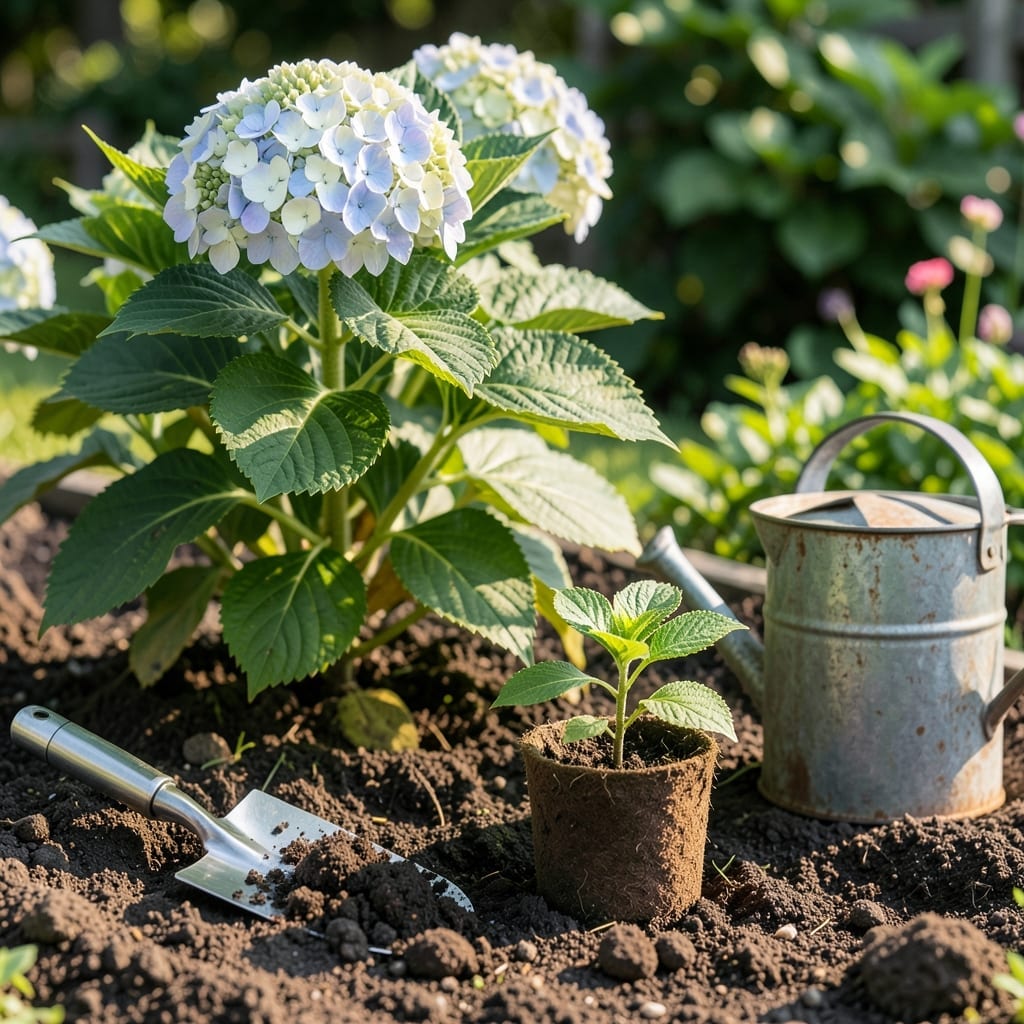
Timing is everything when planting Hydrangeas, and many gardeners wonder if fall is the right season to get these 🌸 stunning blooms in the ground. The answer might surprise you.
Autumn offers unique advantages for planting, with cooler temperatures and reduced stress on new shrubs. This season could be the game-changer your garden needs.
Discover why fall planting works so well for Hydrangeas and how to ensure your new additions thrive. Let’s dig into the details.
Fall offers the perfect conditions for planting Hydrangeas. The cooler temperatures reduce stress on new plants, allowing them to focus on root establishment before winter arrives.
With less heat and more moisture in the air, Hydrangeas can settle into their new home without the shock of summer’s intensity. This means stronger roots and a healthier start for next year’s blooms. 🌸
| Benefit | Why It Matters |
|---|---|
| Cooler Temperatures | Reduces transplant shock |
| More Moisture | Encourages root growth |
| Less Competition | Fewer weeds to fight |
| Winter Preparation | Roots establish before dormancy |
Compared to spring planting, fall gives Hydrangeas a head start. By the time spring arrives, your shrubs will already have a strong root system ready to support new growth.
I always recommend planting at least 4-6 weeks before the first frost. This window ensures the roots have time to settle in before the ground freezes, which is critical for survival in colder climates.
The soil temperature in fall is still warm enough to promote root growth, but the air is cool, reducing the risk of heat stress. This balance is ideal for Hydrangeas, which thrive in moderate conditions.
Another advantage is less watering. Fall rains often provide the moisture your plants need, so you won’t have to monitor them as closely as you would in the summer heat.
However, timing is key. Planting too late in the season can leave new Hydrangeas vulnerable to frost damage. Aim for early fall, ideally in September or early October for most regions.
In warmer climates like USDA zones 7-9, you might even get away with planting later in the fall. But in cooler zones, stick to the earlier window to be safe.
Finally, fall planting allows you to assess your garden and fill in gaps before winter. You’ll wake up to a lush, established garden next spring, ready to burst into bloom. 🌿
Planting Hydrangeas in fall starts with site selection. Choose a location with partial shade and well-draining soil to prevent root rot and encourage healthy growth. 🌸
Amend the soil with organic matter like compost before planting. This improves nutrient content and drainage, giving your Hydrangeas the best possible start in their new home.
Planting depth is critical. The crown should sit slightly above the soil line to prevent rot and encourage proper drainage. Too deep can suffocate the roots.
After planting, give your Hydrangeas a deep watering. This ensures the soil settles around the roots and helps eliminate air pockets. Aim for 1-2 inches of water per week in fall.
Mulching is your next step. Apply a 2-3 inch layer of organic mulch around the base, but keep it away from the stems to prevent rot. This protects roots from temperature swings.
Finally, monitor your new Hydrangeas. Check soil moisture weekly and water as needed. With proper care, they’ll establish strong roots before winter and reward you with gorgeous blooms next year. 🌿