
Beautiful Plants For Your Interior
Beautiful Plants For Your Interior
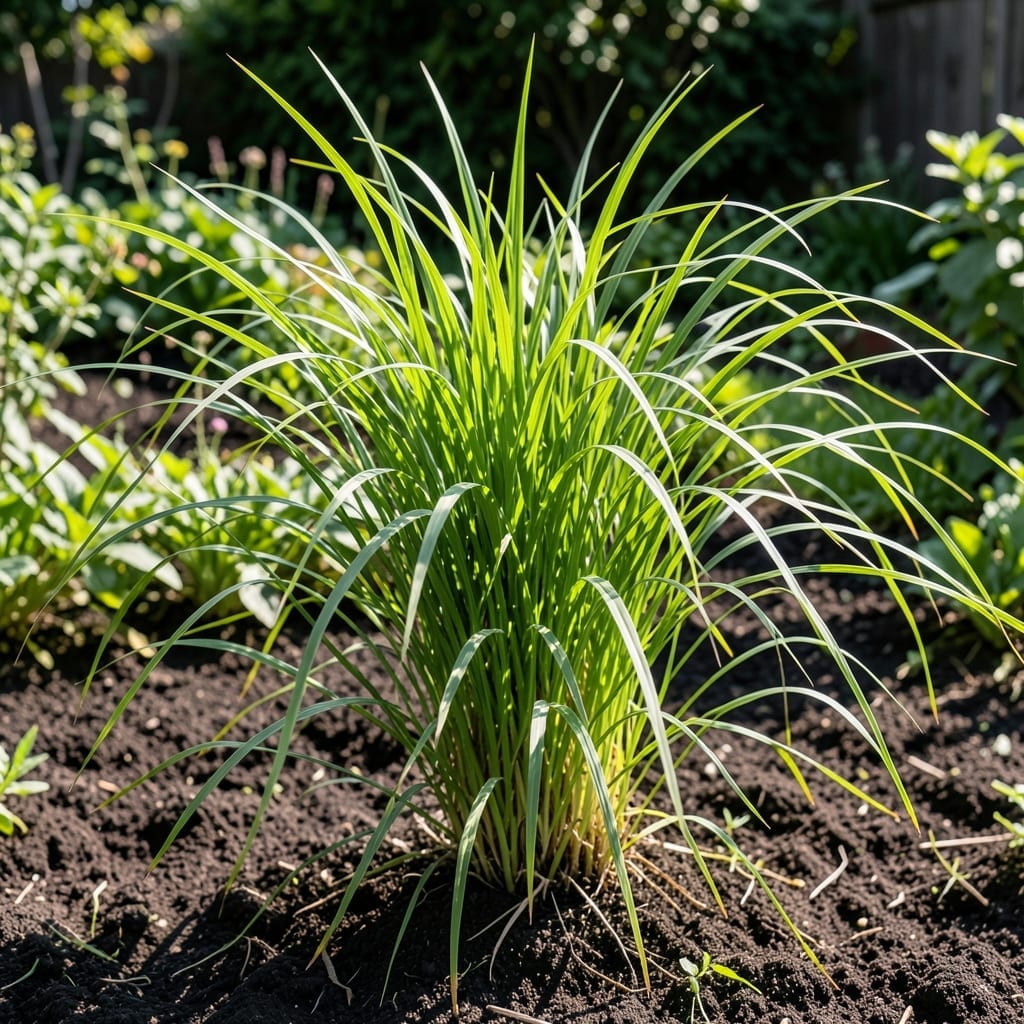
We all love the idea of a mosquito-free yard, and 🌿 Citronella is the go-to plant for many gardeners. But what happens when your space doesn’t get full sun all day?
You might think shade spells trouble for this sun-loving plant, but there’s good news. With the right adjustments, you can still enjoy its benefits even in less-than-ideal light.
Discover how to adapt your approach and give Citronella the best shot at thriving, no matter where you place it.


I know Citronella loves the sun, but it can handle some shade. This plant thrives with 6+ hours of sunlight daily but can survive with 4-6 hours in partial shade.
However, too much shade leads to problems. You’ll notice leggy growth, weak stems, or a faint fragrance if it’s not getting enough light. These are clear signs your plant is struggling.
| Requirement | Specification |
|---|---|
| Ideal Sunlight | 6+ hours daily |
| Partial Shade Tolerance | 4-6 hours daily |
| Minimum Sunlight | 4 hours daily |
| Shade Signs | Leggy, weak stems, faint scent |
In my experience, morning sun is best for Citronella. It’s less intense than afternoon sun, reducing the risk of scorching while still providing energy.
If your garden gets dappled shade, like under a tree, Citronella can still grow. Just ensure it gets those 4-6 hours of light somehow.
For potted plants, move them around to chase the sun. A south-facing window is ideal indoors, but a west-facing one works too.
Remember, less light means slower growth. Your plant might not reach its full 5-foot height in heavy shade, but it can still thrive with care.
Watch for yellowing leaves—this often signals too much shade. If you see this, it’s time to relocate your plant to a sunnier spot.
I’ve found that well-draining soil helps compensate for lower light. Poor drainage plus shade is a recipe for root rot, so keep that soil light and airy.
Finally, don’t forget to rotate your pots regularly. This ensures all sides of the plant get equal light exposure, promoting even growth. ☀️
I’ve found that even in partial shade, Citronella can thrive with the right strategies. The key is maximizing the light it does receive while maintaining optimal growing conditions.
Start by selecting a spot with dappled sunlight or morning sun. This ensures your plant gets gentle yet effective light without the harsh afternoon rays. 🌿
I recommend light-colored mulch like white stones or straw. This reflects sunlight upward, giving your Citronella extra light it wouldn’t get otherwise.
If planting in the ground, choose the sunniest shade spot available. Under a tree with high branches often works well, as it allows filtered light to reach the plant.
For container gardening, move your pots to follow the sun. A west-facing balcony can provide the afternoon sun that Citronella loves.
Remember that consistent moisture is crucial in shade. Without as much sun to dry the soil, root rot can become an issue. Ensure your pots have drainage holes.
Finally, don’t overlook regular pruning. In lower light, Citronella can become leggy. Trimming encourages bushier growth and helps maintain its mosquito-repelling potency. ✂️