
Beautiful Plants For Your Interior
Beautiful Plants For Your Interior
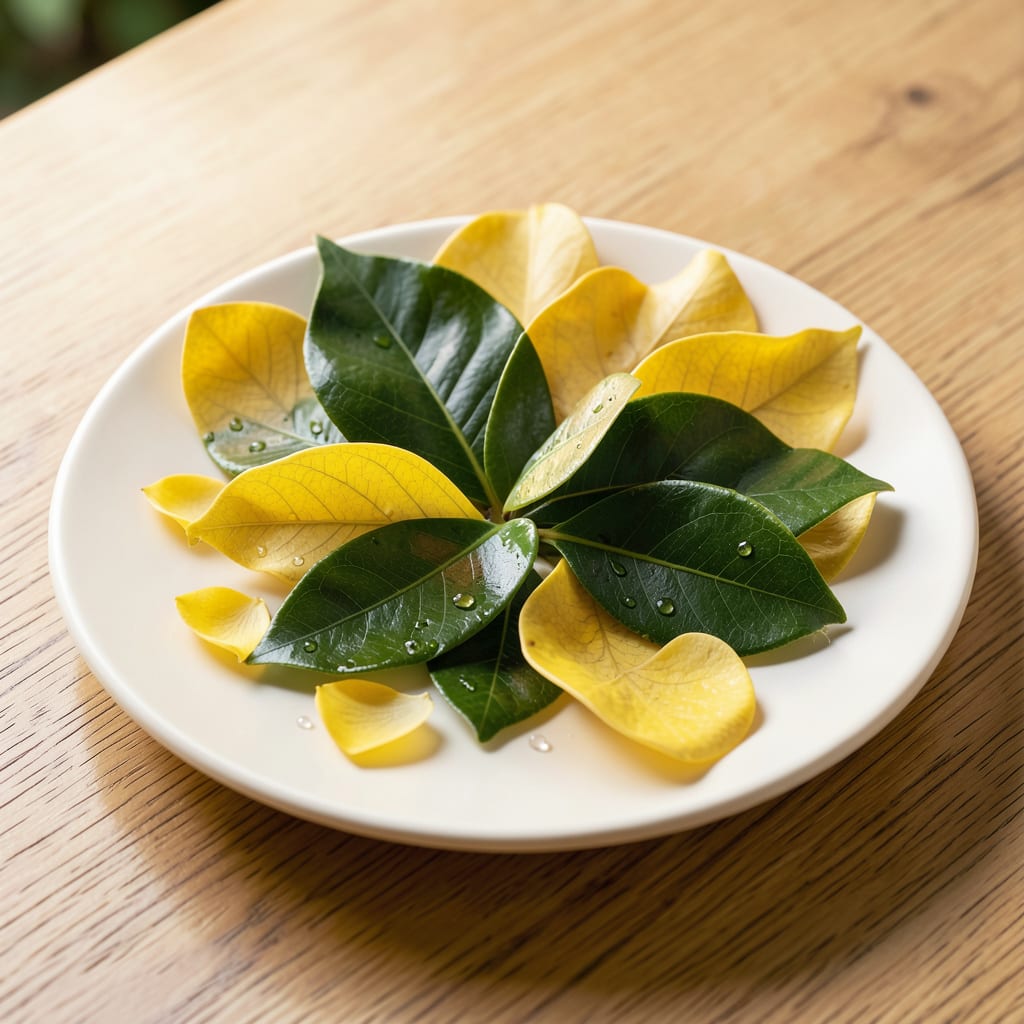
Yellow leaves on your camellia aren’t a death sentence. I’ve saved dozens of these plants from the same issue, and the fix usually comes down to just a few common problems.
The most frequent culprits are iron deficiency or wrong soil pH, but overwatering and pests can also turn those glossy green leaves pale. The good news? Each problem has a clear solution you can implement in a single weekend.
Once you address the root cause, you’ll see new growth emerge in its proper deep green within 2-3 weeks. The existing yellow leaves won’t recover, but your plant will thank you with healthier foliage.
Works for all camellia varieties, from sasanquas to japonicas. Here’s how to diagnose and fix it fast.
Camellia leaves turning yellow often signal underlying issues that disrupt the plant’s health. Below are the most common causes, explained with actionable insights to help you diagnose and fix the problem.
Yellowing leaves, or chlorosis, frequently stem from a lack of essential nutrients. Camellias are acid-loving plants, and deficiencies in iron, magnesium, or nitrogen are common culprits.
Camellias thrive in acidic soil (pH 5.5–6.5). If the pH rises above 7.0, the soil becomes alkaline, locking out iron, manganese, and other micronutrients—even if they’re present. Test your soil and amend it with sulfur or peat moss to lower the pH if needed.
Overwatering or underwatering can stress camellias, leading to yellow leaves. Root rot from soggy soil deprives roots of oxygen, while drought stress inhibits nutrient uptake. Ensure well-draining soil and water deeply but infrequently, allowing the top inch of soil to dry between waterings.
Extreme temperatures, sudden frost, or excessive sun exposure can shock camellias, causing yellowing. Protect plants from harsh afternoon sun and cold drafts, and provide consistent, moderate conditions for optimal growth.
Tackle yellowing camellia leaves with these targeted fixes for each underlying cause:
If soil tests reveal low nitrogen, iron, or magnesium:
Soggy roots suffocate the plant, blocking nutrient absorption:
Extreme light conditions stress camellias:
Spider mites, scale, or root rot can cause yellowing:
Iron deficiency shows as yellow leaves with green veins, while overwatering causes uniform yellowing with wilting. Check soil moisture—if it’s soggy, it’s likely overwatering.
Vinegar is too weak for long-term pH adjustment. Use elemental sulfur or peat moss instead. Test soil pH first to confirm alkalinity is the issue.
New growth should appear green within 2-3 weeks of fixing the issue. Existing yellow leaves won’t recover, but fresh foliage will be healthy.
Yes, severely yellowed leaves will eventually drop. Focus on correcting the underlying problem to prevent further leaf loss.
