
Beautiful Plants For Your Interior
Beautiful Plants For Your Interior
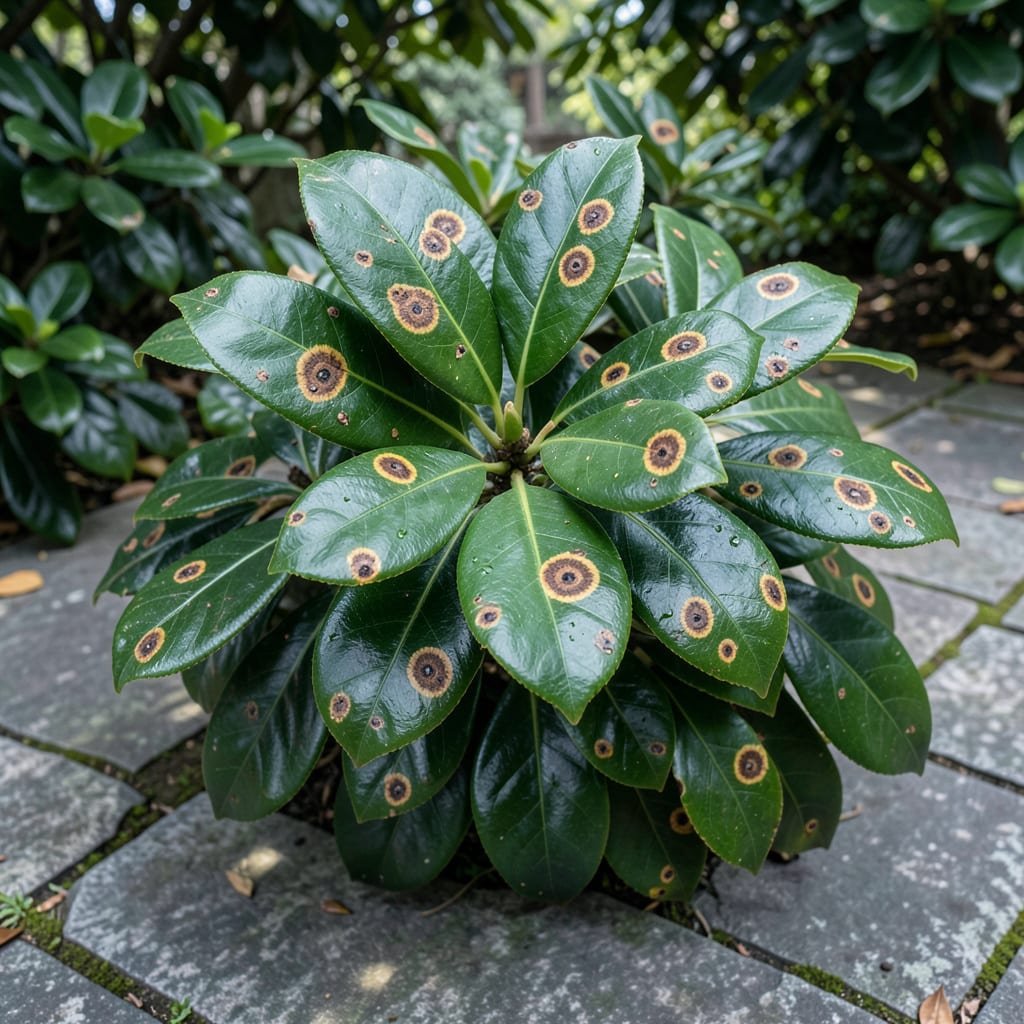
Those brown spots on your camellia leaves aren’t just ugly—they’re stealing your plant’s energy. 🌿 I’ve battled this disease for years, and the key is catching it early before it spreads to every bush in your yard.
Leaf spot thrives in wet conditions, especially when leaves stay damp overnight. The good news? You can stop it with simple cultural changes—better air flow, morning watering, and cleaning up fallen leaves—before reaching for sprays.
Natural remedies like neem oil or baking soda solutions work surprisingly well if applied at the first sign of trouble. Within 2-3 weeks, you’ll see new growth emerging spot-free while existing damage stops spreading.
Prevention is your best defense for next season. A little attention now means healthier plants that bloom bigger and brighter when spring arrives.
Camellia leaf spot disease doesn’t appear out of nowhere—it’s usually the result of specific environmental and biological factors. Understanding these causes can help you prevent its spread. Here’s a breakdown of the most common triggers:
The primary culprit is Cercospora or Phyllosticta fungi, which thrive in warm, humid conditions. These pathogens spread via water splashes, contaminated tools, or infected plant debris. Once they land on leaves, they germinate and penetrate the tissue, causing those unsightly brown or black spots.
Overhead watering, poor drainage, or prolonged rainfall creates the perfect breeding ground for fungi. Wet foliage, especially when combined with high humidity (above 85%), accelerates spore production and infection. Camellias in densely planted areas with limited airflow are particularly vulnerable.
Fungal spores remain dormant in cold weather but activate when temperatures rise between 70–85°F (21–29°C). Sudden swings between warm days and cool nights can stress the plant, weakening its natural defenses and making it more susceptible to infection.
Stressed camellias—whether from nutrient deficiencies, root damage, or improper pruning—are less able to fend off pathogens. Over-fertilization (especially with nitrogen) can also promote tender, fast-growing foliage that fungi find easier to infect.
Addressing these root causes with better airflow, proper watering, and sanitization can significantly reduce the risk of leaf spot disease.
Tackling camellia leaf spot disease starts with identifying the root cause and applying targeted fixes. Below are practical solutions for common triggers, along with prevention tips to keep your plants thriving.
Wet foliage is a breeding ground for fungal spores. Switch to drip irrigation or water at the base of the plant to keep leaves dry. If you must use a hose, water early in the day so leaves dry quickly in the sun. Prevention tip: 💡 Space plants for airflow to reduce humidity buildup.
Crowded branches trap moisture, encouraging fungal growth. Thin out dense areas by pruning crossing or inward-growing stems. Ensure plants are spaced at least 3–4 feet apart. Prevention tip: ✨ Remove fallen leaves and debris around the base to eliminate hiding spots for spores.
Act fast! Pick off spotted leaves and destroy them (do not compost). Disinfect pruners with rubbing alcohol between cuts to avoid spreading the disease. Prevention tip: 🎯 Apply a thin layer of mulch to prevent soil-borne spores from splashing onto leaves during rain.
For stubborn cases, spray affected plants with neem oil or a baking soda solution (1 tsp baking soda + 1 quart water + a drop of dish soap). Reapply every 7–10 days or after rain. Prevention tip: 🌡️ Avoid overhead fertilizing, which can promote tender, disease-susceptible growth.
Fungal pathogens like Cercospora or Phyllosticta are the primary culprits. They thrive in warm, humid conditions and spread through water splashes or contaminated tools.
Yes, but start with natural remedies like neem oil or baking soda solutions first. If needed, copper-based fungicides work well—apply every 7-10 days or after rain. Always follow label instructions.
Improve airflow by pruning and spacing plants 3-4 feet apart. Water at the base in the morning, and remove fallen leaves promptly. These steps reduce moisture buildup.
No. Destroy infected leaves—don’t compost them. This prevents spores from spreading back to your garden. Disinfect tools after handling affected foliage.
