
Beautiful Plants For Your Interior
Beautiful Plants For Your Interior
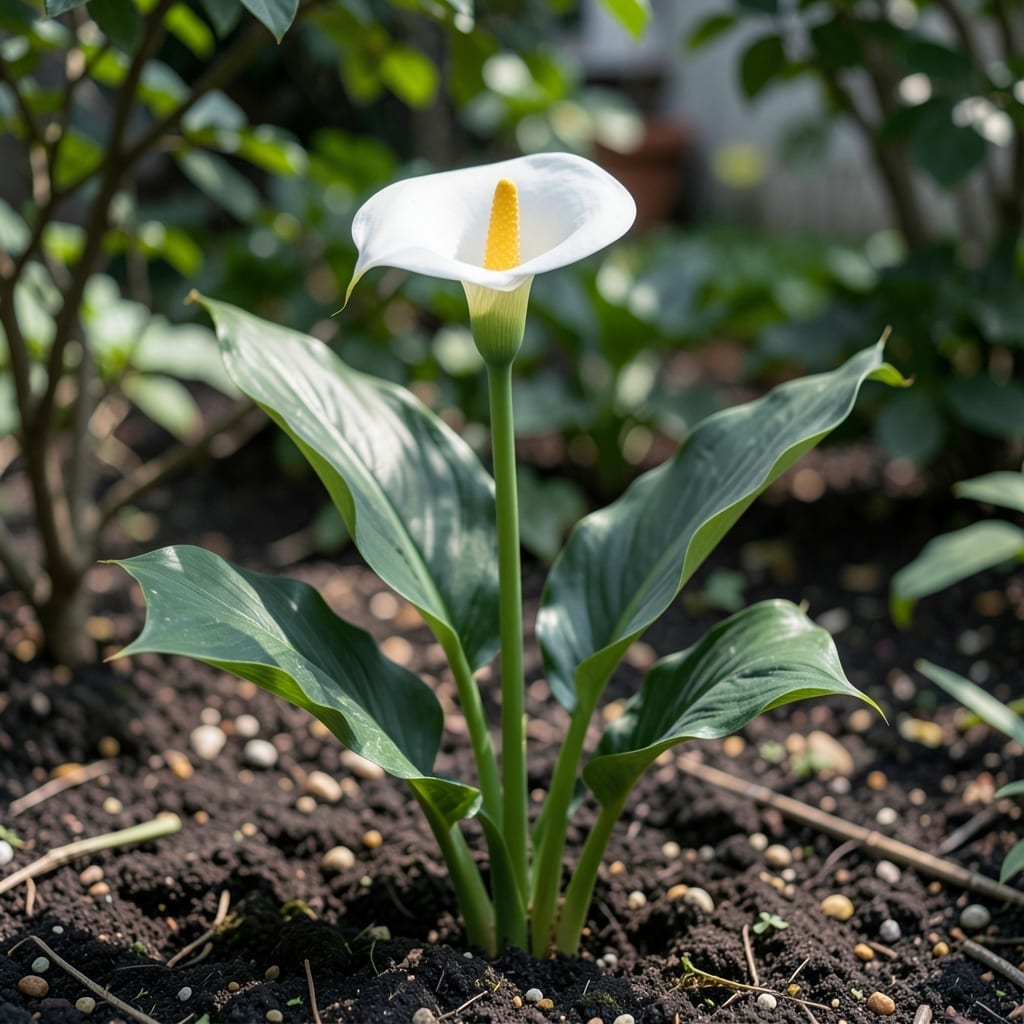
Calla lilies add elegant, trumpet-shaped blooms to any garden, but their success hinges on one critical factor: proper sunlight exposure. Get it wrong, and you’ll end up with weak stems or fewer flowers.
I’ve seen too many gardeners struggle with their 🌸 Calla Lily because they misunderstood its light needs. The good news? It’s easier to fix than you might think.
Let me walk you through the ideal conditions for vibrant, healthy blooms. You’ll discover exactly how to place them for the best results.
 Best Window Placement
If you want vibrant calla lilies, getting the light right is non-negotiable. These elegant plants thrive in partial shade to full sun, but the ideal balance depends on your climate and garden setup.
In cooler zones like USDA 8-10, calla lilies can handle full sun for 6+ hours. But in hotter regions, they’ll appreciate afternoon shade to prevent scorched leaves and wilting blooms. 🌷
| Light Requirement | Specification |
|---|---|
| Ideal Hours | 4-6 hours of direct sun |
| Light Type | Bright indirect or dappled shade |
| Best Window | East or west exposure |
| Hot Climate Tip | Afternoon shade essential |
| Cool Climate Tip | Full sun tolerated well |
I’ve found that morning sun is the sweet spot for calla lilies. It provides the energy they need for strong stems and rich blooms without the harshness of midday heat.
In my garden, I plant them where they get gentle sunlight until noon, then dappled shade for the rest of the day. This setup mimics their native habitat in South Africa, where they grow under tall trees.
If you’re growing calla lilies in containers, you have more control. Move pots to follow the sun or provide shade as needed. Just remember, consistency is key—sudden changes in light can stress the plants.
For the best results, pair proper light with well-draining soil. Calla lilies hate soggy roots, so ensure your planting spot or pot has good drainage to complement the light conditions.
Pro tip: If your calla lilies aren’t blooming, check the light first. Too little sun often means fewer flowers, while too much can cause leaf scorch. Adjust and observe. 🌱
In cooler climates, don’t be afraid to give them full sun. But in hot areas, partial shade is your best bet to keep those stunning blooms coming all season long.
Remember, calla lilies are adaptable. With a little experimentation, you’ll find the perfect light balance for your garden’s unique conditions. ✂️
Even with the best intentions, light imbalance shows up quickly in calla lilies. Yellowing leaves often signal too much sun, while leggy stems with few blooms scream for more light.
I’ve learned to watch for these warning signs early. Scorched leaf edges or wilting in afternoon heat means your plants are begging for shade. Meanwhile, pale foliage or no flowers suggests they’re light-starved.
⚠️ Warning: Leaf burn from excessive sun is irreversible. Move plants to partial shade immediately and trim damaged leaves to prevent stress.
For too much light, relocate to a spot with dappled shade or use shade cloth. If too little light is the issue, gradually introduce more sun over 1-2 weeks to avoid shocking them.
Pro tip: Check your calla lilies in mid-morning and late afternoon. This helps you spot stress signs before they become serious problems. Consistency in observation pays off.
In my experience, container-grown calla lilies are easiest to adjust. Simply move the pot to a better spot. For in-ground plants, consider companion planting with taller plants to create natural shade.
Remember, calla lilies are forgiving. Once you correct the light, they’ll often bounce back quickly with new growth and fresh blooms. 🌿