
Beautiful Plants For Your Interior
Beautiful Plants For Your Interior
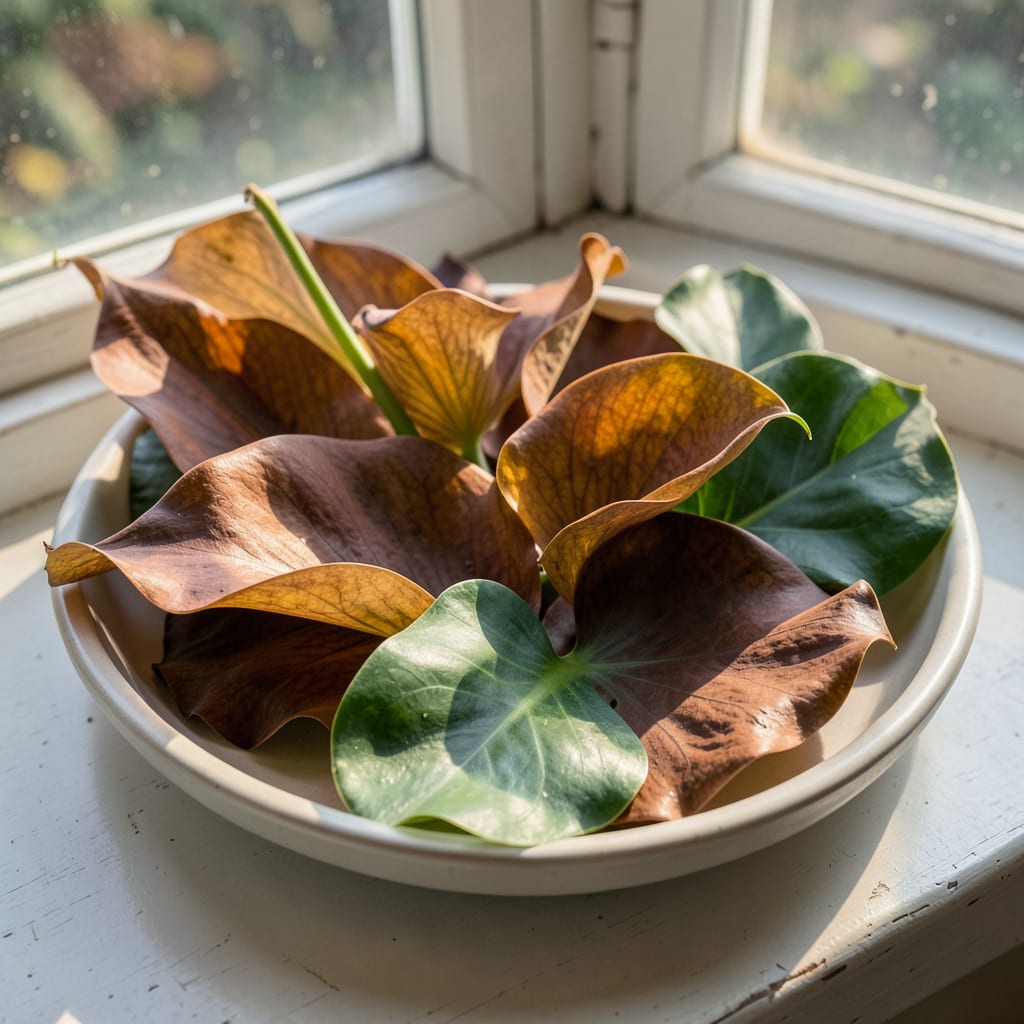
Brown leaves on your calla lilies aren’t the end of the world. I’ve seen this happen more times than I care to admit, and it’s usually fixable with a few simple tweaks.
Most often, it’s about water—either too much or too little. But sometimes, it’s the soil, the light, or even a sneaky fungus throwing a wrench in your garden’s groove.
The good news? Calla lilies are tough. With the right adjustments, those lush green leaves can make a comeback faster than you’d expect.
Let’s figure out what’s going on and how to turn things around before the problem spreads.
Brown leaves on your calla lily are a distress signal, and several underlying issues could be to blame. Here’s what’s likely happening:
Calla lilies thrive in moist but well-draining soil. When roots sit in waterlogged conditions, they suffocate and rot, cutting off nutrient flow to the leaves. This leads to brown, mushy foliage—often starting at the edges. Check your soil: if it stays soggy 2+ days after watering, improve drainage with perlite or sand.
Too much direct sunlight—especially in hot climates—can scorch calla lily leaves, turning them crispy and brown. These plants prefer bright, indirect light. If leaves show bleached spots before browning, move them to partial shade, especially during peak afternoon hours.
Calla lilies are tropical natives and need moderate humidity. Dry air (common indoors or in arid regions) causes leaf tips to brown and curl. Similarly, chronic underwatering leads to dry, papery brown patches. Group plants together or use a humidity tray to counteract dryness.
Pathogens like Phytophthora or Erwinia thrive in wet conditions, causing dark brown spots with yellow halos. These often spread rapidly. Remove affected leaves immediately, avoid overhead watering, and apply a copper-based fungicide to prevent further spread.
Excess salts from fertilizers or hard water can accumulate in the soil, burning the roots and turning leaves brown at the tips. Flush the soil with distilled water to leach out salts, and fertilize sparingly—calla lilies are light feeders.
If your calla lily’s leaves are turning brown, don’t panic—most causes are fixable with a few simple adjustments. Below are targeted solutions for the most common issues, along with prevention tips to keep your plant thriving.
Check the soil with your finger: if it’s bone-dry, your calla lily is likely underwatered. Give it a deep soak until water drains from the bottom, then let the top inch of soil dry out before watering again. For overwatered plants, stop watering immediately and let the soil dry. If root rot is suspected, trim any mushy, black roots and repot in fresh, well-draining soil.
Prevention tip: 💡 Use a pot with drainage holes and a moisture meter to avoid guessing.
If leaves are crispy and brown from sunburn, move your calla lily to a spot with bright, indirect light or partial shade. East- or north-facing windows are ideal indoors. Outdoors, use shade cloth during peak afternoon hours.
Prevention tip: 🌡️ Gradually acclimate plants to brighter light to prevent shock.
Brown leaf tips often signal dry air. Mist the leaves lightly in the morning, or place a tray of water with pebbles near the plant to increase humidity. Grouping plants together also helps.
Prevention tip: ✨ Use a humidifier for consistent moisture, especially in dry climates.
For spider mites or aphids, wipe leaves with a damp cloth and apply insecticidal soap. For fungal issues like leaf spot, remove affected leaves and treat with a copper-based fungicide. Always isolate infested plants to prevent spread.
Prevention tip: 🎯 Keep foliage dry and ensure good air circulation to discourage pests and fungi.
Yellowing leaves with brown edges may indicate a lack of nutrients. Use a balanced, water-soluble fertilizer (10-10-10) every 2–4 weeks during the growing season. Avoid over-fertilizing, which can burn roots.
Prevention tip: 🌿 Flush the soil with water every few months to remove salt buildup from fertilizers.
Water when the top 1 inch of soil feels dry. Typically, this means watering every 5-7 days in moderate conditions. Always use a pot with drainage holes to prevent root rot.
No, once leaves turn brown, they won’t recover. Remove them to redirect the plant’s energy to healthy growth. Focus on fixing the underlying issue to prevent new leaves from browning.
Yes, but do it in the morning to allow leaves to dry before evening. Avoid overhead watering at night, as damp foliage can encourage fungal growth.
They thrive in bright, indirect light. If leaves scorch, move them to partial shade, especially during peak afternoon sun. East-facing windows are ideal indoors.
