
Beautiful Plants For Your Interior
Beautiful Plants For Your Interior
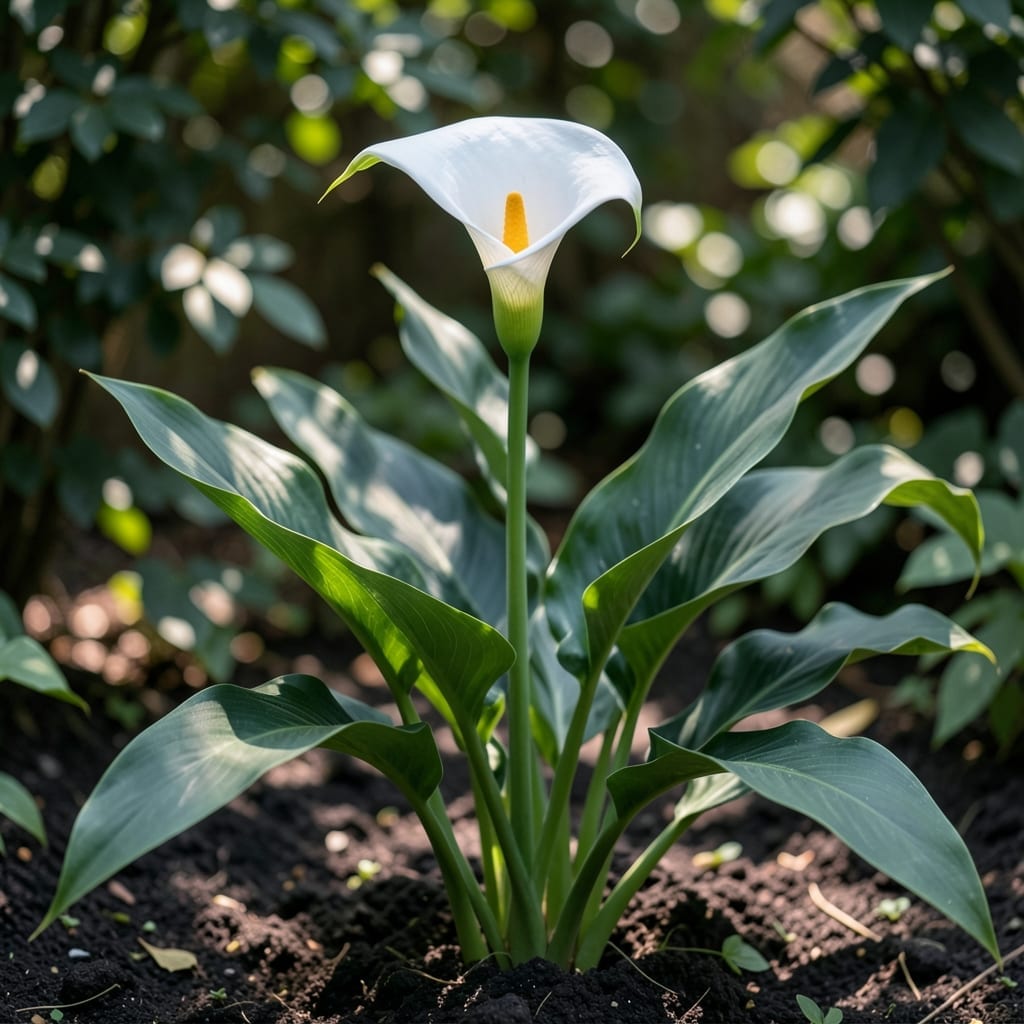
My calla lilies went from elegant to sad in 24 hours. Turns out, drooping is their way of saying something’s wrong—but the good news is it’s usually fixable.
Most often, it’s about water: either too much drowning the roots or too little leaving them parched. I’ve also seen it happen when the temperature drops below 50°F or the soil stays soggy for days. They’re dramatic, but they bounce back fast once you adjust.
You’ll spot the difference between thirsty droop (dry, crisp leaves) and overwatered droop (yellowing, mushy stems). The fix is simple: check the soil, move them if it’s cold, and trim any damaged foliage to redirect energy.
Prevention is easier than revival. Consistent watering, well-draining soil, and stable temps keep them standing tall all season.
Drooping calla lilies often signal underlying stress. Below are the most common causes, each with clear explanations and actionable insights.
Calla lilies (Zantedeschia aethiopica) thrive in moist but not soggy soil. Overwatering suffocates the roots, reducing their ability to absorb oxygen. This leads to root rot, where fungal pathogens like Phytophthora or Pythium attack the rhizomes. Waterlogged soil also disrupts nutrient uptake, causing the plant to wilt. Check soil moisture before watering—stick your finger 1-2 inches deep; if it’s damp, wait.
These plants prefer bright, indirect light. Too little light weakens the stems, leading to drooping as the plant struggles to photosynthesize efficiently. Conversely, direct, harsh sunlight can scorch leaves and cause heat stress, manifesting as wilting. East or north-facing windows are ideal for indoor calla lilies.
Calla lilies are sensitive to temperature swings. They flourish in 60–75°F (15–24°C) during the day and a 10°F drop at night. Exposure to cold drafts (below 50°F/10°C) or heat sources (above 85°F/29°C) can shock the plant, causing immediate drooping. Avoid placing them near air conditioners, heaters, or drafty windows.
A lack of essential nutrients, particularly potassium and magnesium, weakens stem structure. Potassium supports water regulation within cells, while magnesium is vital for chlorophyll production. Use a balanced, water-soluble fertilizer (10-10-10 NPK) every 4–6 weeks during the growing season to prevent deficiencies.
Sap-sucking pests like aphids, spider mites, or thrips drain the plant’s vitality, leading to drooping foliage. Inspect the undersides of leaves for tiny insects or webbing. Treat infestations with neem oil or insecticidal soap, ensuring thorough coverage of stems and leaves.
Drooping calla lilies can often be revived with a few simple adjustments. Below are targeted solutions for the most common causes, along with prevention tips to keep your plants thriving.
If the soil feels dry 1-2 inches down, your calla lily is likely thirsty. Water deeply until moisture drains from the bottom of the pot. Use room-temperature water to avoid shocking the roots. Prevention tip: 💡 Check soil moisture every 2-3 days in warm weather or if the plant is in direct sunlight. Consider a self-watering pot for consistent hydration.
Yellowing leaves or soggy soil signal overwatering. Stop watering immediately and let the soil dry out. Repot the plant in fresh, well-draining soil if root rot is suspected (mushy, dark roots). Prevention tip: ✨ Use pots with drainage holes and a mix of potting soil and perlite to ensure excess water escapes easily.
Wilting or scorched leaves mean your calla lily is getting too much direct sunlight. Move it to a spot with bright, indirect light, like an east-facing window. If outdoors, provide afternoon shade. Prevention tip: 🎯 Rotate the plant occasionally for even light distribution and healthy growth.
Calla lilies droop in extreme heat or cold drafts. Keep them in a room between 60-75°F (15-24°C) and away from vents, heaters, or AC units. If outdoors, bring potted lilies inside if temperatures drop below 50°F (10°C). Prevention tip: 🌡️ Use a thermometer to monitor the area around your plant.
Weak stems or pale leaves may indicate a lack of nutrients. Use a balanced, water-soluble fertilizer (10-10-10) diluted to half strength, applied every 4-6 weeks during the growing season. Prevention tip: 🔥 Avoid over-fertilizing, which can burn roots—always follow package instructions.
Water when the top 1-2 inches of soil feel dry. Typically, this means every 5-7 days in moderate conditions. Always check soil moisture first to avoid overwatering.
Yes! If the roots are healthy, adjusting water, light, or temperature often revives drooping foliage within 24-48 hours. Trim severely damaged leaves to redirect energy.
Yellowing with drooping usually indicates overwatering or poor drainage. Check for soggy soil and mushy roots, then repot in fresh, well-draining mix if needed.
Yes, harsh direct sun can scorch leaves and cause wilting. Move to bright, indirect light like an east-facing window for best results.