
Beautiful Plants For Your Interior
Beautiful Plants For Your Interior
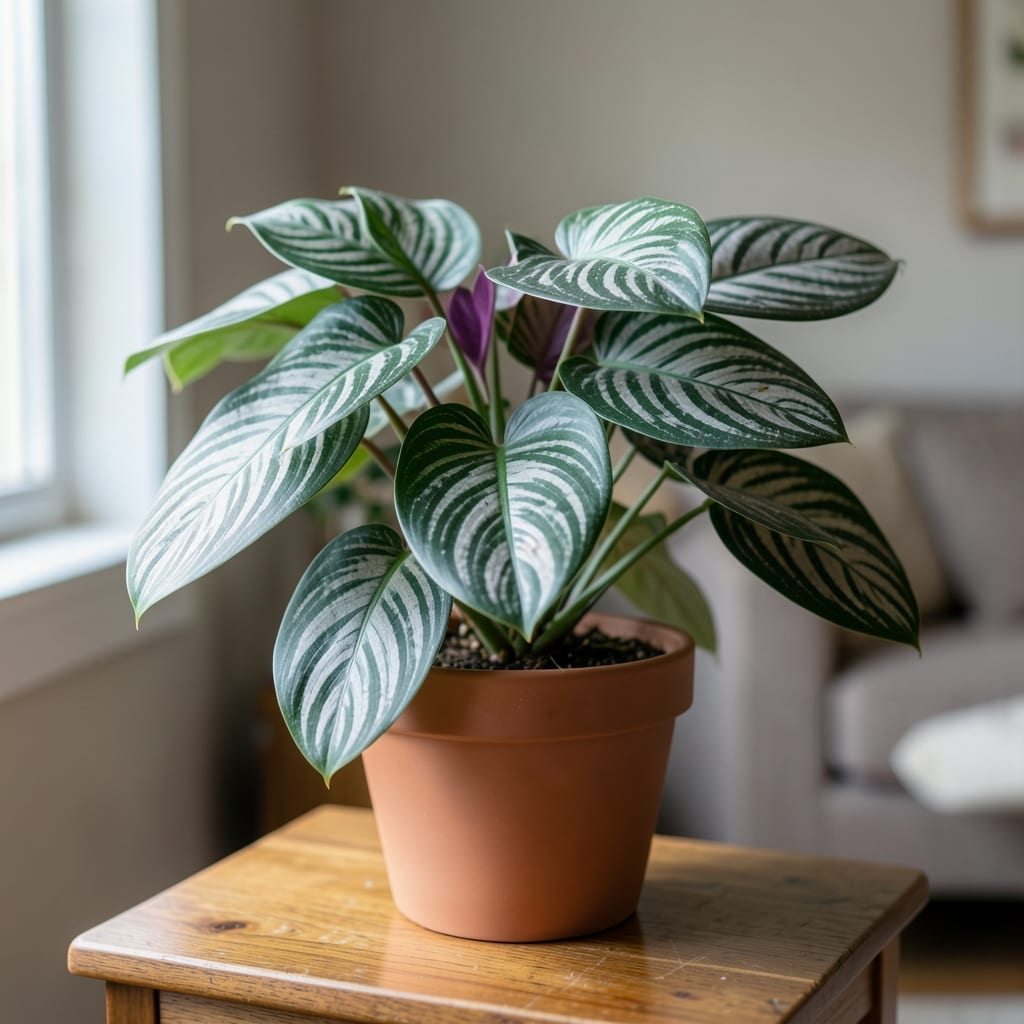
My Calathea zebrina went from perky to pitiful in 24 hours last summer. The leaves hung like wet laundry, and I panicked—until I figured out the simple fixes that brought it back to life.
Turns out, most drooping comes from 3 common issues: thirst, too much water, or bone-dry air. The plant’s dramatic flop is its way of screaming for help, but it recovers fast with the right adjustments.
You’ll see leaves bounce back within a day or two once you correct the problem. The key is checking the soil first—if it’s dry, water deeply. If it’s soggy, let it dry out before watering again.
Works for any home, even with central heating sucking the moisture out of the air. Here’s how to keep yours standing tall.
Calathea zebrina, with its stunning striped foliage, can start to droop due to several environmental or care-related stressors. Understanding the root cause is the first step to reviving your plant. Below are the most common triggers:
Calatheas thrive in consistently moist but well-drained soil. Drooping often signals underwatering, as the plant’s cells lose turgor pressure (the internal water pressure that keeps leaves rigid). Conversely, overwatering can suffocate roots, leading to root rot and poor water uptake. Check the soil: if the top inch is dry, it’s time to water; if it’s soggy, hold off and improve drainage.
Native to tropical regions, Calathea zebrina prefers humidity levels of 50% or higher and temperatures between 65–80°F (18–27°C). Low humidity causes leaves to lose moisture rapidly, while cold drafts or sudden temperature drops can shock the plant, both leading to drooping. Use a humidifier or pebble tray to maintain moisture in the air.
While Calatheas tolerate low light, prolonged insufficient light weakens the plant. Without adequate light, photosynthesis slows, reducing energy production and causing leaves to droop. Ensure your plant receives bright, indirect light—direct sun can scorch leaves, while too little light starves it.
Calatheas need well-aerated, organic-rich soil to support their delicate root systems. Compacted or nutrient-poor soil restricts root growth and water absorption. If drooping persists despite proper watering, consider repotting with a peat-based mix and adding a balanced liquid fertilizer every 4–6 weeks during growing season.
Don’t panic—your Calathea zebrina can bounce back with the right care. Below are targeted fixes for the most common causes of drooping, plus tips to keep it thriving.
If the soil is bone-dry, give your plant a deep watering until water drains from the bottom. Use room-temperature, distilled, or rainwater to avoid chemical sensitivity. Prevention tip: Check the top 1-2 inches of soil—water when it feels dry, but avoid soggy conditions. 💡 Pro tip: Place the pot in a saucer of water for 10 minutes to rehydrate the roots from below.
Stop watering immediately and remove the plant from its pot to inspect the roots. Trim any mushy, black roots with clean scissors, then repot in fresh, well-draining soil. Prevention tip: Use a pot with drainage holes and a chunky, airy mix (add perlite or orchid bark). Let the topsoil dry slightly between waterings.
Move your Calathea zebrina to a spot with bright, indirect light (e.g., near an east-facing window). Avoid harsh direct sun, which can scorch leaves. Prevention tip: Rotate the pot weekly for even growth, and dust leaves gently with a damp cloth to maximize light absorption. ✨
Keep your plant in a room with stable temperatures between 65–80°F (18–27°C). Avoid drafts from AC, heaters, or open windows. Prevention tip: Group plants together to create a humid microclimate, or use a small space heater (safely) in colder months.
Calatheas love humidity. Mist the leaves daily with distilled water, or place the pot on a pebble tray with water (ensure the pot isn’t sitting in water). For a hassle-free fix, use a humidifier nearby. Prevention tip: Aim for 50–60% humidity—a hygrometer can help monitor levels. 🌫️
With these adjustments, your Calathea zebrina should perk up in a few days to a week. Consistency is key—observe its response and tweak as needed!
Water when the top 1-2 inches of soil feel dry. This usually means every 5-7 days in average conditions, but check daily if it’s recovering from drooping. Always use room-temperature water.
Yes, if the roots are still healthy. Submerge the pot in water for 10 minutes to rehydrate, then move it to a humid spot. Leaves should perk up within 24-48 hours.
This is normal! Calatheas follow a circadian rhythm called nyctinasty, where leaves fold and droop slightly at night. They’ll rise again with morning light. No action needed.
Misting helps but isn’t enough alone. Pair it with a pebble tray or humidifier to maintain 50%+ humidity. Avoid misting if leaves are already soggy from overwatering.