
Beautiful Plants For Your Interior
Beautiful Plants For Your Interior
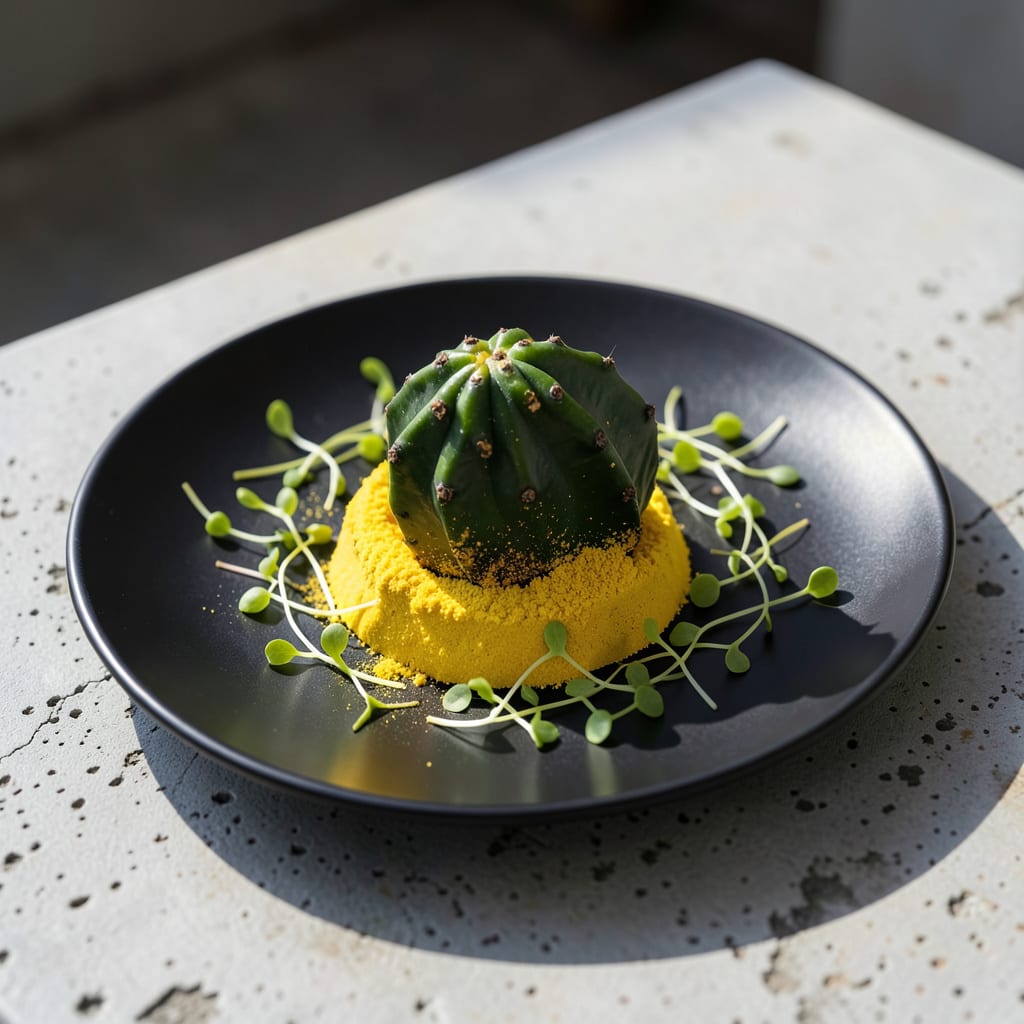
That yellow patch at your cactus base isn’t just unsightly—it’s a warning. I’ve nursed dozens of cacti back from the brink, and this color change always signals one of three problems.
The usual suspects: too much water, hungry roots, or unwelcome visitors. Each leaves a distinct pattern—soft yellow means rot, dry yellow screams thirst, and speckled yellow often points to pests. Early detection is your best defense.
Natural fixes work surprisingly well. A simple repotting in fresh mix solves most cases, while a mild soap spray handles pests. The key is acting before the yellow spreads upward.
Prevention beats cure every time. Proper drainage, careful watering, and regular inspections keep your cactus thriving for years. Here’s how to diagnose and fix it for good.
A yellow base on your cactus is a red flag—your plant is signaling distress. The discoloration often starts subtly but can spread if ignored. Below are the most common scientific causes behind this issue, along with clear explanations to help you diagnose the problem.
Cacti thrive in dry conditions, and excess moisture is their nemesis. Overwatering leads to root rot, a fungal or bacterial infection that destroys the root system. As roots decay, they can’t absorb nutrients, causing the base to turn yellow or mushy. Fusarium and Phytophthora are common pathogens in waterlogged soil. If the soil stays damp for more than a few days, the roots suffocate, leading to chlorophyll breakdown and yellowing.
Cacti need a balanced diet, and a lack of nitrogen, magnesium, or iron can trigger yellowing at the base. Nitrogen deficiency often starts with pale or yellow lower growth, while magnesium deficiency causes interveinal chlorosis (yellowing between the veins). Iron deficiency, though less common, can also lead to a yellow base, especially in alkaline soils where iron becomes less available to the plant.
Sap-sucking pests like scale insects, mealybugs, or spider mites can drain your cactus of vital nutrients, leading to yellowing. These pests often target the base, where the plant tissue is softer. Their feeding disrupts the plant’s ability to transport water and nutrients, causing stress and discoloration. Look for sticky residue (honeydew) or webbing as telltale signs.
While cacti love sunlight, intense, direct light without acclimatization can cause photooxidative stress. The base, often shaded by the plant’s body, may yellow if suddenly exposed to harsh light. This is due to the breakdown of chlorophyll and damage to plant cells. Sunburn typically appears as bleached or yellow patches, often on the side facing the light source.
Cacti are hardy, but prolonged cold snaps or heatwaves can stress them. Cold damage disrupts cellular function, leading to yellowing or browning at the base. Conversely, extreme heat can cause dehydration and nutrient imbalance, manifesting as yellow discoloration. Aim for a stable temperature range (typically 70–100°F for most species).
Addressing a cactus with a yellow base starts with pinpointing the cause and applying the right fix. Here’s a straightforward guide to nursing your plant back to health.
If the soil feels soggy or the yellowing spreads upward, overwatering is likely the culprit. Stop watering immediately and let the soil dry out completely. Remove the cactus from its pot, trim any black or mushy roots with sterilized scissors, and repot it in fresh, well-draining cactus mix. Prevention tip: 🌡️ Water only when the top 1-2 inches of soil are bone-dry, and ensure the pot has drainage holes.
For soft, discolored patches at the base, a fungal or bacterial infection may be to blame. Isolate the cactus to prevent spreading, then apply a copper-based fungicide or a diluted hydrogen peroxide solution (1 part 3% peroxide to 10 parts water) to the affected area. If the rot is severe, propagate healthy cuttings and discard the infected base. Prevention tip: ✨ Use sterilized pots and tools, and avoid wetting the cactus body during watering.
Yellowing at the base can signal waterlogged roots due to compacted or non-porous soil. Repot the cactus in a gritty mix of 50% cactus soil and 50% perlite or coarse sand. Upgrade to a terracotta pot, which wicks away moisture better than plastic. Prevention tip: 🎯 Always choose containers with drainage holes and elevate pots to allow excess water to escape.
If the yellowing is dry and crispy (often on the side facing the sun), your cactus may be getting too much direct light. Move it to a spot with bright, indirect sunlight, or use a sheer curtain to diffuse intense rays. Acclimate it gradually to stronger light over a few weeks. Prevention tip: 🔥 Rotate the cactus occasionally for even light distribution and monitor for early signs of stress.
A pale yellow base can indicate a lack of nutrients, especially nitrogen or magnesium. Use a diluted cactus fertilizer (half-strength) once during the growing season (spring to early fall). Avoid fertilizing in winter when the plant is dormant. Prevention tip: 💡 Refresh the soil every 2-3 years to replenish nutrients naturally.
Only water when the top 1-2 inches of soil are completely dry. For most cacti, this means every 2-3 weeks in warm weather, less in winter. Overwatering is the most common cause of yellowing.
Yes, if the damage hasn’t reached the center. Remove affected areas, repot in fresh soil, and adjust care. Recovery may take several weeks to months. Severe rot may require propagating healthy sections.
Stop watering immediately and check roots. Trim any black/mushy roots, repot in dry, gritty mix, and place in bright, indirect light. This addresses the most common causes within 1-2 weeks.
Avoid fertilizing until the plant recovers. Yellowing often signals stress, and fertilizer can worsen it. Once healthy, use a diluted cactus fertilizer at half strength during growing season.
