
Beautiful Plants For Your Interior
Beautiful Plants For Your Interior
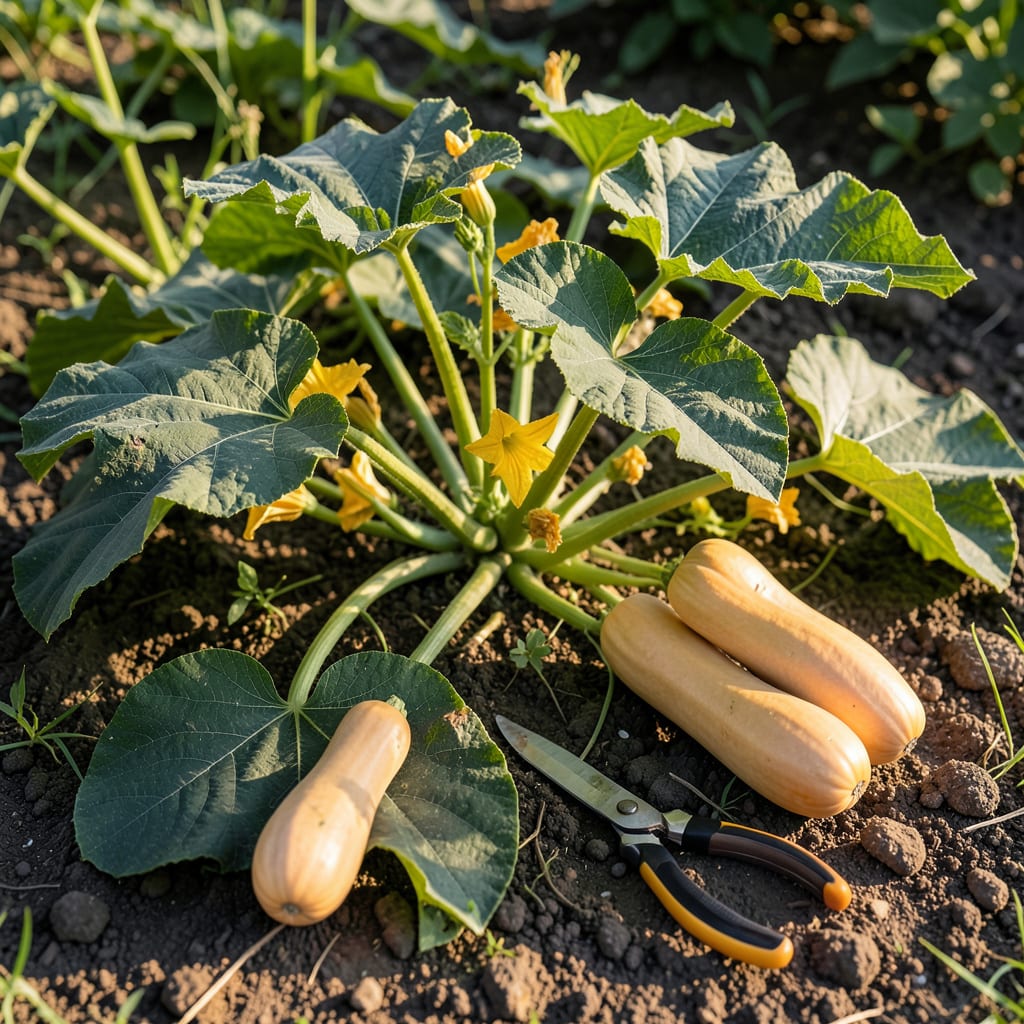
Nothing beats the taste of a perfectly ripe 🎃 Butternut Squash, and knowing when to pick it makes all the difference. The timing can turn a mediocre harvest into a flavor-packed success.
Discover the key signs to look for and why September – October is your prime window for the sweetest results. Let me guide you through the process.


I always look for visual cues first when determining butternut squash harvest time. The most reliable sign is the rind color change from green to a deep tan or beige. This transformation signals the squash is nearing maturity.
Another key indicator is the stem condition. When it turns dry and woody, your squash is likely ready. I also check if the vines start dying back, which is nature’s way of saying the plant’s work is done.
| Ripeness Sign | Description |
|---|---|
| Rind Color | Turns tan/beige when ripe |
| Stem Texture | Becomes dry and corky |
| Skin Toughness | Resists thumbnail pressure |
| Vine Condition | Dies back as harvest nears |
| Sound Test | Sounds hollow when tapped |
The thumbnail test is one of my favorites. Press your thumbnail into the squash rind. If it resists puncture, the squash is ready. This simple test helps avoid harvesting immature squash that won’t store well.
I also listen for a hollow sound when I tap the squash. A mature butternut will produce a deep, hollow echo, while an unripe one sounds dull. This auditory check complements the visual and tactile signs perfectly.
Don’t overlook the vines’ condition. As the squash ripens, the vines begin to yellow and wither. This is a natural part of the plant’s life cycle and a clear indicator that harvest time is approaching.
The stem’s appearance is crucial. A ripe butternut will have a hard, corky stem that’s firmly attached. If the stem is still green and soft, the squash needs more time to mature on the vine.
I always check the underside of the squash, where it touches the soil. This area should be cream-colored rather than green. A green ground spot means the squash isn’t ready for picking yet.
Remember, early harvesting leads to less sweet squash with poorer storage life. But waiting too long risks frost damage or split squash. Aim for that sweet spot when all signs point to perfect ripeness.
In my garden, I start checking for these signs about 85 days after planting. But I always confirm with the visual and tactile tests rather than relying solely on the calendar.
With these reliable indicators, you’ll never question your butternut squash harvest time again. Trust the plant to tell you when it’s ready, and you’ll be rewarded with the sweetest, most flavorful squash of the season ☀️
Timing your butternut squash harvest depends heavily on your growing zone and the variety you’ve planted. Most types need 75-100 days to mature, but climate plays a huge role in the exact timing.
In warmer zones like 7-10, you can often plant earlier and harvest later in the season. Cooler zones like 3-5 require careful planning to avoid early frosts that can damage the crop before it’s ready.
| Growing Zone | Planting Time | Harvest Window |
|---|---|---|
| Zones 3-5 | Late May-June | September (before frost) |
| Zones 6-7 | April-May | September-October |
| Zones 8-10 | March-April | October-November |
| Early Varieties | As early as March | 75 days after planting |
For early varieties, you can expect to harvest as soon as 75 days after planting. These are great for shorter growing seasons. Standard varieties typically take 85-100 days to reach full maturity.
I always mark my planting date on the calendar and start checking for ripeness signs about 10 days before the expected maturity date. This gives me a buffer to account for variations in weather or plant health.
In my experience, zone 6 gardeners should aim to have their butternut squash harvested by mid-October. This timing helps avoid the first frost, which can ruin the crop if it hits before the squash is fully ripe.
If you’re in a hotter climate, your squash may mature faster, but watch for heat stress signs. Too much heat can cause the vines to wilt or the squash to develop unevenly, impacting both flavor and storage life ☀️
I’ve seen many gardeners make critical errors during butternut squash harvest time that shorten storage life. The most common is picking too early, which results in bland, watery squash that won’t keep well.
Another frequent mistake is cutting the stem too short. Always leave 1-2 inches of stem attached to prevent rot and extend shelf life. This small detail makes a big difference in storage.
⚠️ Harvesting Warning: Avoid these 3 common mistakes that ruin your butternut squash crop and reduce flavor.
I always use sharp pruners to harvest my butternut squash. Dull tools can crush the stem or damage the vine, which invites disease and reduces the plant’s productivity for any remaining squash.
Never wait until after the first frost to harvest. Frost can damage the squash rind, leading to early spoilage. In my zone 6 garden, I aim to have all squash indoors by mid-October at the latest.
Also avoid twisting or pulling the squash from the vine. This can damage both the fruit and the plant. Instead, use clean pruners to make a clean cut where the stem meets the vine.
By sidestepping these common pitfalls, you’ll enjoy sweeter, longer-lasting butternut squash from your garden 🌱
Check the rind color—it should be deep tan/beige, not green. The stem will also turn dry and corky when ready.
Picking before the rind hardens results in bland, watery squash that won’t store well. Always wait for the thumbnail test to confirm ripeness.
Never wait until after the first frost. Frost damages the rind, causing early spoilage. Aim to harvest by mid-October in most zones.
Properly cured and stored, butternut squash can keep for 2-3 months in a cool, dry place. Leaving 1-2 inches of stem helps extend shelf life.
