
Beautiful Plants For Your Interior
Beautiful Plants For Your Interior
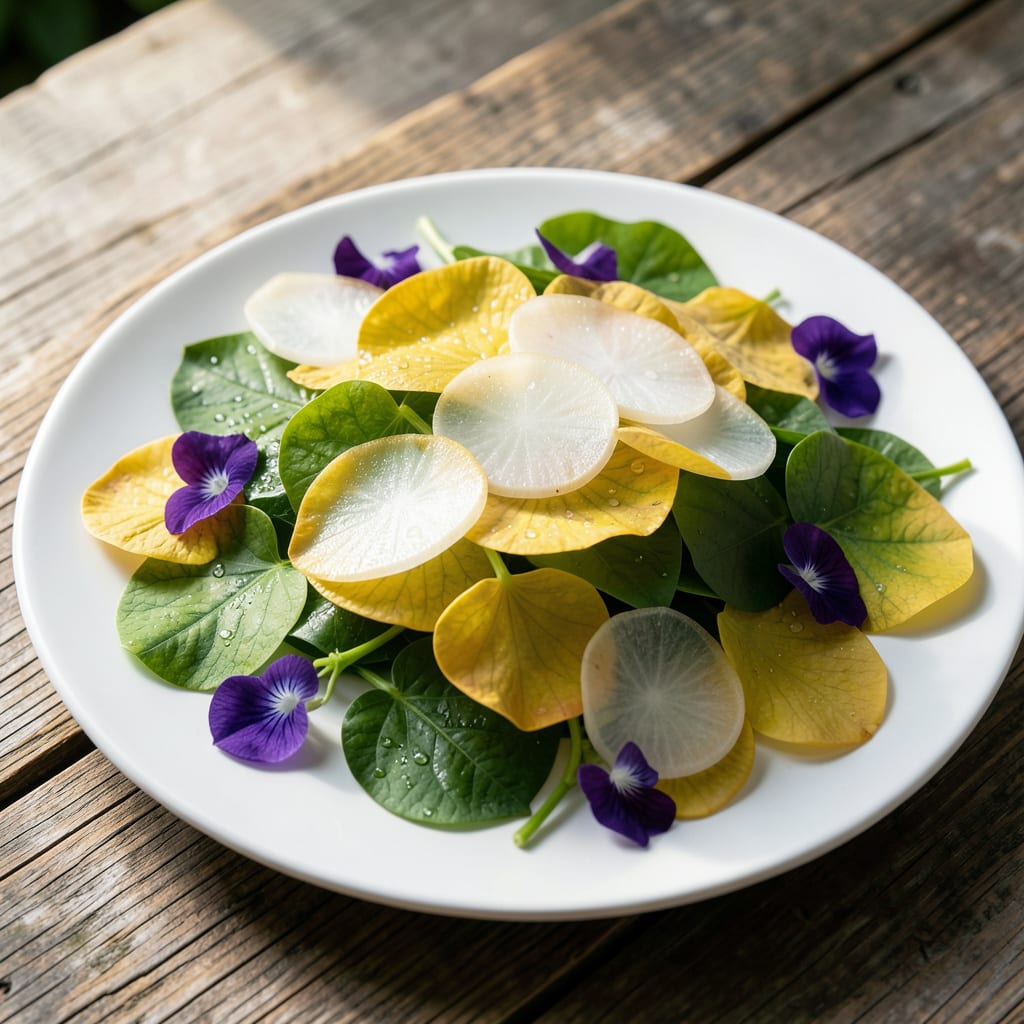
Yellow leaves on your butterfly pea aren’t just sad—they’re shouting for help. I’ve watched my own vines go from vibrant green to sickly overnight, and the fix always starts with the soil.
Most cases come down to 3 things: wrong pH, missing nutrients, or too much water. Test your soil first—that single step saves weeks of guessing. My plants bounced back within 10 days of adjusting the basics.
You’ll see the difference fast. New growth returns its deep color, and the plant stops dropping leaves like it’s going out of style. The solution is simpler than you think.
Works for containers, garden beds, or any setup. Here’s how to diagnose and fix it for good.
Butterfly pea leaves turning yellow often signal underlying stress or imbalances. Below are the primary causes, explained with actionable insights:
Yellowing leaves, or chlorosis, commonly result from a lack of essential nutrients like nitrogen, iron, or magnesium. Nitrogen deficiency typically affects older leaves first, turning them uniformly yellow. Iron deficiency, however, causes interveinal chlorosis—yellowing between leaf veins—while magnesium deficiency starts at the leaf edges. Test your soil to confirm deficiencies and amend with organic fertilizers or targeted supplements (e.g., chelated iron for iron shortages).
Excess water suffocates roots, reducing oxygen uptake and hindering nutrient absorption. This leads to yellowing leaves, often accompanied by wilting or mushy stems. Butterfly pea plants thrive in well-draining soil. If your soil retains too much moisture, mix in perlite or sand, and ensure pots have drainage holes. Water only when the top inch of soil feels dry.
Insufficient or excessive light can trigger yellowing. Butterfly pea plants need bright, indirect sunlight (6–8 hours daily). Too little light causes weak growth and pale leaves, while too much direct sun can scorch foliage, turning it yellow or brown. Adjust placement to a spot with filtered light or partial shade, especially in hot climates.
Butterfly pea plants prefer slightly acidic to neutral soil (pH 6.0–7.0). If the pH is too high (alkaline) or too low (acidic), nutrients like iron and phosphorus become less available, leading to deficiencies and yellowing. Test your soil pH and amend with lime (to raise pH) or sulfur (to lower it) as needed.
Sap-sucking pests like aphids, spider mites, or whiteflies can drain nutrients from leaves, causing yellow spots or overall discoloration. Inspect the undersides of leaves for tiny insects or webbing. Treat infestations with neem oil or insecticidal soap, and isolate affected plants to prevent spread.
If your butterfly pea leaves are turning yellow, don’t panic—there are clear fixes for each common cause. Below are practical solutions, organized by issue, along with prevention tips to keep your plant thriving.
Yellow leaves often signal a lack of nitrogen, iron, or magnesium. Test your soil first—kits are affordable and easy to use. For quick fixes:
💡 Prevention tip: Fertilize lightly every 4–6 weeks during growing season to maintain soil health.
Soggy roots suffocate the plant, leading to yellowing. Check the soil: if it’s waterlogged, act fast.
💡 Prevention tip: Water only when the top inch of soil feels dry. Use a moisture meter for precision.
While butterfly pea loves light, intense afternoon sun can scorch leaves, turning them yellow or brown. Move potted plants to a spot with bright, indirect light or use shade cloth (30–40% coverage) for garden beds.
💡 Prevention tip: Acclimate plants gradually to full sun to avoid shock.
Inspect leaves for signs of aphids, spider mites, or fungal spots. Treat with:
💡 Prevention tip: Keep the garden clean, remove debris, and avoid overhead watering to reduce disease risk.
Water when the top 1-2 inches of soil feel dry. Overwatering causes yellow leaves, so always check moisture first. In hot climates, this may mean watering every 2-3 days.
Use a balanced 10-10-10 liquid fertilizer for general health. For iron deficiency, add chelated iron. Magnesium issues respond well to Epsom salt spray (1 tablespoon per gallon).
Yes! Intense afternoon sun can scorch leaves. Move plants to bright, indirect light or use shade cloth. Acclimate gradually to prevent shock.
Use an affordable soil test kit from garden centers. Ideal pH for butterfly pea is 6.0-7.0. Adjust with lime (to raise) or sulfur (to lower) as needed.
