
Beautiful Plants For Your Interior
Beautiful Plants For Your Interior
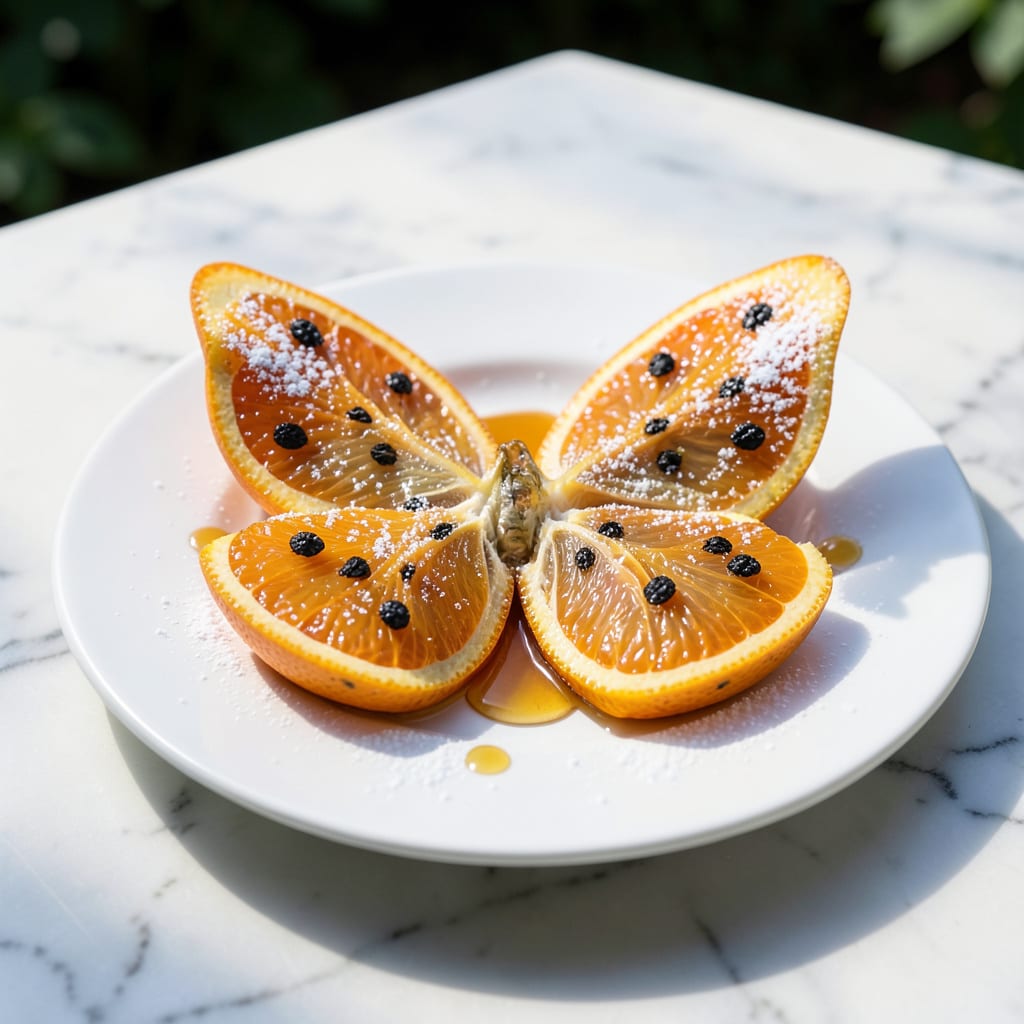
Spotted orange wings in your garden shouldn’t trigger panic. I’ve learned these markings often signal natural variation, but sometimes they’re a red flag for disease or parasites affecting your butterfly visitors.
Early detection is key—examine the patterns, check for unusual behavior, and note if the spots spread. Most issues can be managed with simple garden adjustments before they impact your local butterfly population.
Natural treatments like removing infected plants or introducing beneficial insects work wonders. The goal is supporting these pollinators, not harming them with harsh chemicals.
Prevention starts with a healthy garden ecosystem. Diverse plantings and clean water sources keep your butterfly visitors thriving and resistant to common problems.
The appearance of black spots on butterfly orange plants is usually tied to environmental stress, pests, or fungal infections. Here’s a breakdown of the most common causes:
Extreme temperatures, excessive moisture, or poor drainage can weaken the plant, making it susceptible to discoloration. Butterfly oranges (Citrus spp.) thrive in well-draining soil and consistent watering. Overwatering leads to root rot, while drought stress causes leaf drop and spotting. Ensure the plant receives 6–8 hours of sunlight daily and is protected from frost.
Common culprits like aphids, scale insects, or citrus leafminers feed on sap, leaving behind black sooty mold or necrotic spots. Check the undersides of leaves for sticky residue (honeydew) or tiny insects. Neem oil or insecticidal soap can help control infestations early.
Fungi such as anthracnose or alternaria cause dark, sunken lesions on leaves and fruit. These thrive in humid conditions. Improve air circulation, avoid overhead watering, and apply copper-based fungicides preventatively. Remove and destroy infected plant parts to prevent spread.
If you’ve spotted black spots on your butterfly orange tree, quick action can save your plant. Below are targeted fixes for the most common causes, along with prevention tips to keep your tree healthy.
Fungal issues like anthracnose or sooty mold thrive in damp, stagnant conditions. Prune affected branches to open the canopy and improve airflow. Remove fallen leaves or fruit to reduce spores. Apply a copper-based fungicide or a DIY mix of 1 tsp baking soda + 1 quart water + a few drops of dish soap every 7–10 days until the spots fade.
Prevention: Water at the base (not overhead) in the morning, and space trees properly for ventilation.
Scale insects, aphids, or mites can leave behind black sooty mold or cause direct damage. Wipe leaves with a damp cloth to remove pests, or spray with neem oil (mix 2 tbsp oil + 1 tsp dish soap + 1 quart water). For severe cases, introduce beneficial insects like ladybugs.
Prevention: Inspect leaves weekly and apply horticultural oil during dormant seasons to smother overwintering pests.
Black spots may signal a lack of calcium, magnesium, or potassium. Test your soil and amend with compost or a balanced citrus fertilizer. For quick fixes, use Epsom salt (1 tbsp per gallon of water) for magnesium or wood ash for potassium.
Prevention: Fertilize every 4–6 weeks during growing season and mulch with organic matter to retain nutrients.
Root rot from excess moisture can manifest as black spots on leaves or fruit. Check soil moisture 2 inches deep—water only when dry. Ensure pots have drainage holes, and avoid letting trees sit in saucers of water.
Prevention: Use a moisture meter and water deeply but infrequently (1–2 times per week for established trees).
💡 Pro Tip: Always sterilize pruning tools with rubbing alcohol between cuts to avoid spreading disease!
Most orange butterflies with black spots are beneficial pollinators. They rarely damage plants and often help with pollination. The spots are usually natural markings, not signs of disease.
Natural spots are symmetrical and consistent across the wings. Disease or pest spots appear irregular, spread over time, or come with other symptoms like wilting or discoloration.
Observe their behavior and check nearby plants for signs of stress. If the plants look healthy, the butterflies are likely fine. If plants show damage, investigate pests or disease separately.
