
Beautiful Plants For Your Interior
Beautiful Plants For Your Interior
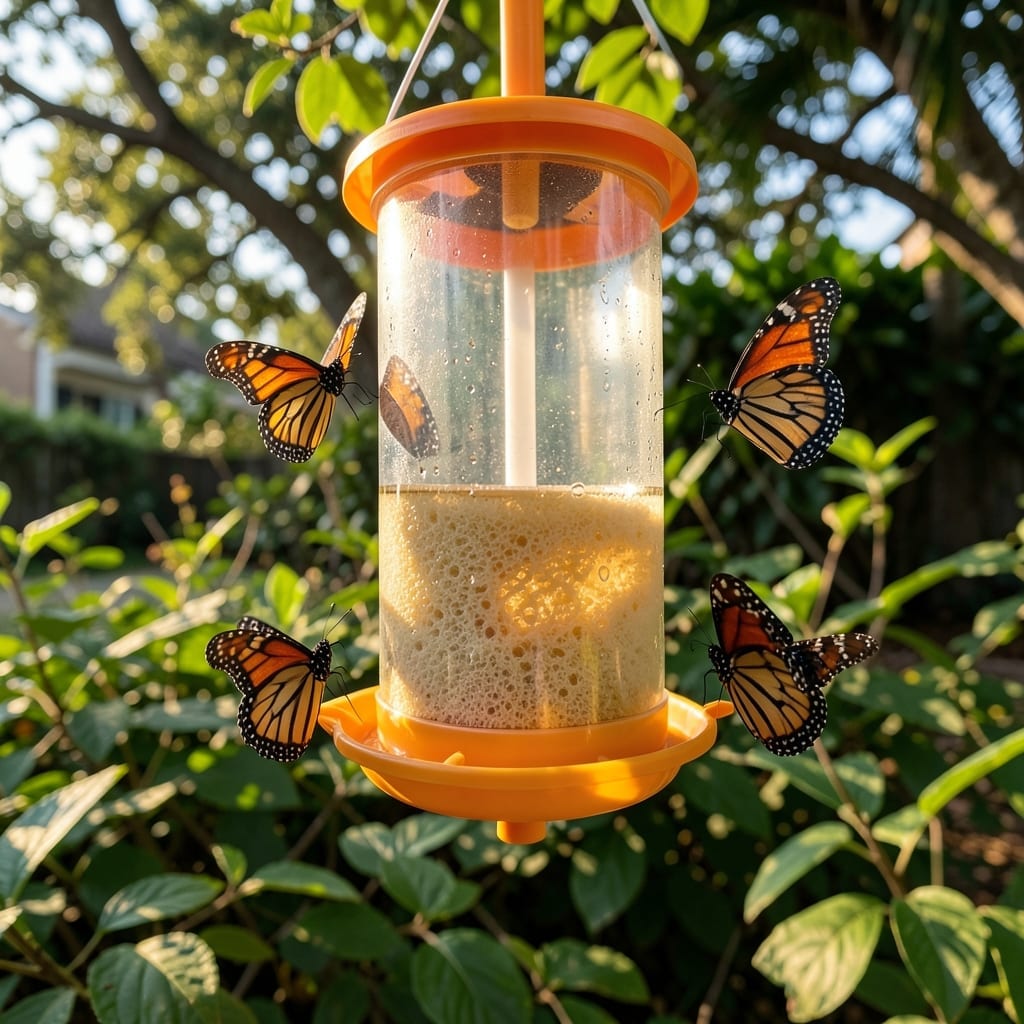
Transform your Florida garden into a vibrant butterfly sanctuary with these ten essential tools and plants. Discover how to naturally attract pollinators while enhancing your outdoor space’s beauty and ecological value.
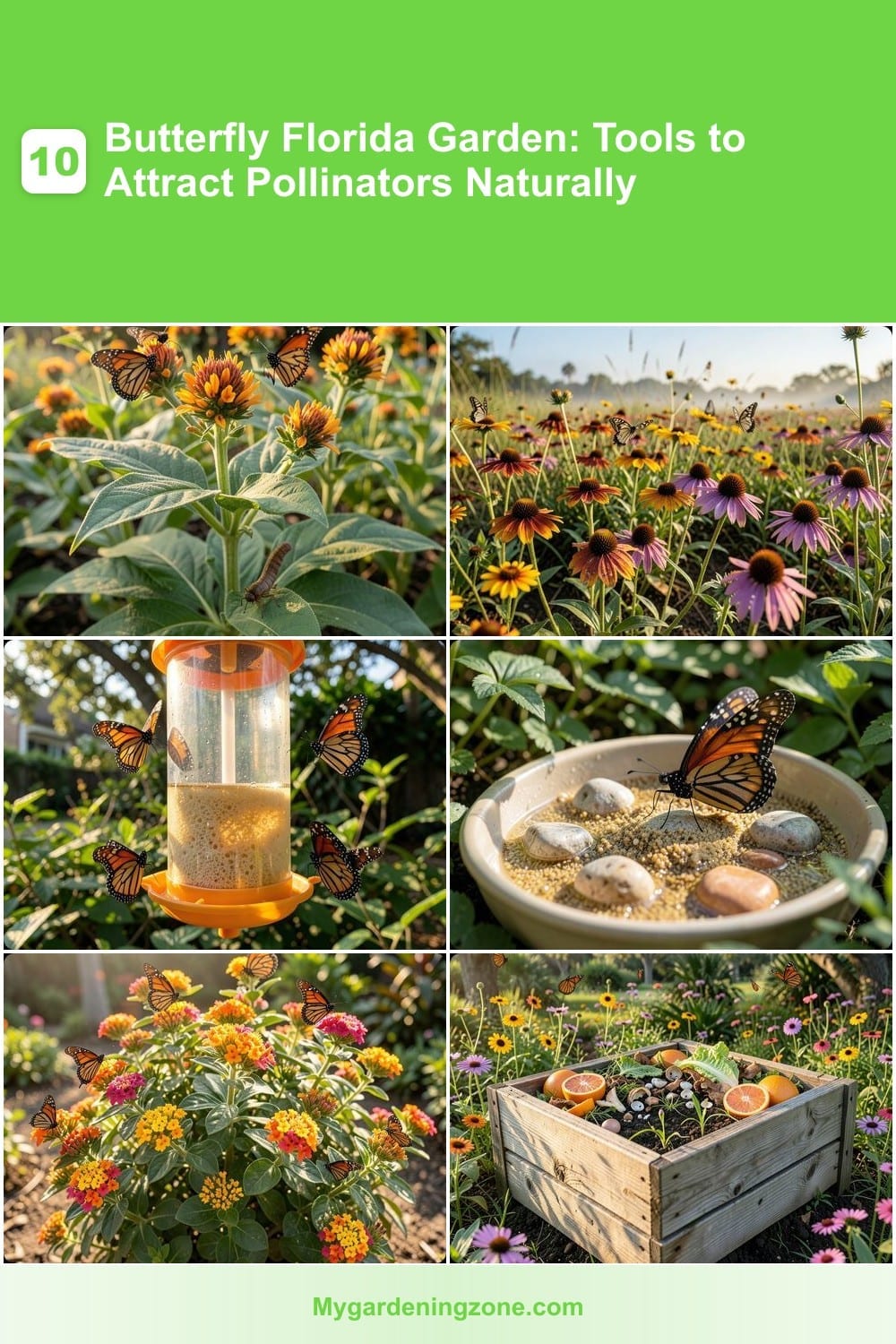
Without native milkweed, your butterfly garden is missing its most vital piece. This hardy Florida native is the only host plant for monarch caterpillars, making it essential for their life cycle.
Milkweed also produces clusters of vibrant orange and yellow blooms that provide rich nectar for adult butterflies. It thrives in Florida’s heat and humidity, tolerating a range of soils from sandy to clay. Plant it in full sun for the best results.
Perfect for gardeners who want to support monarch populations and create a pollinator paradise. 🌿
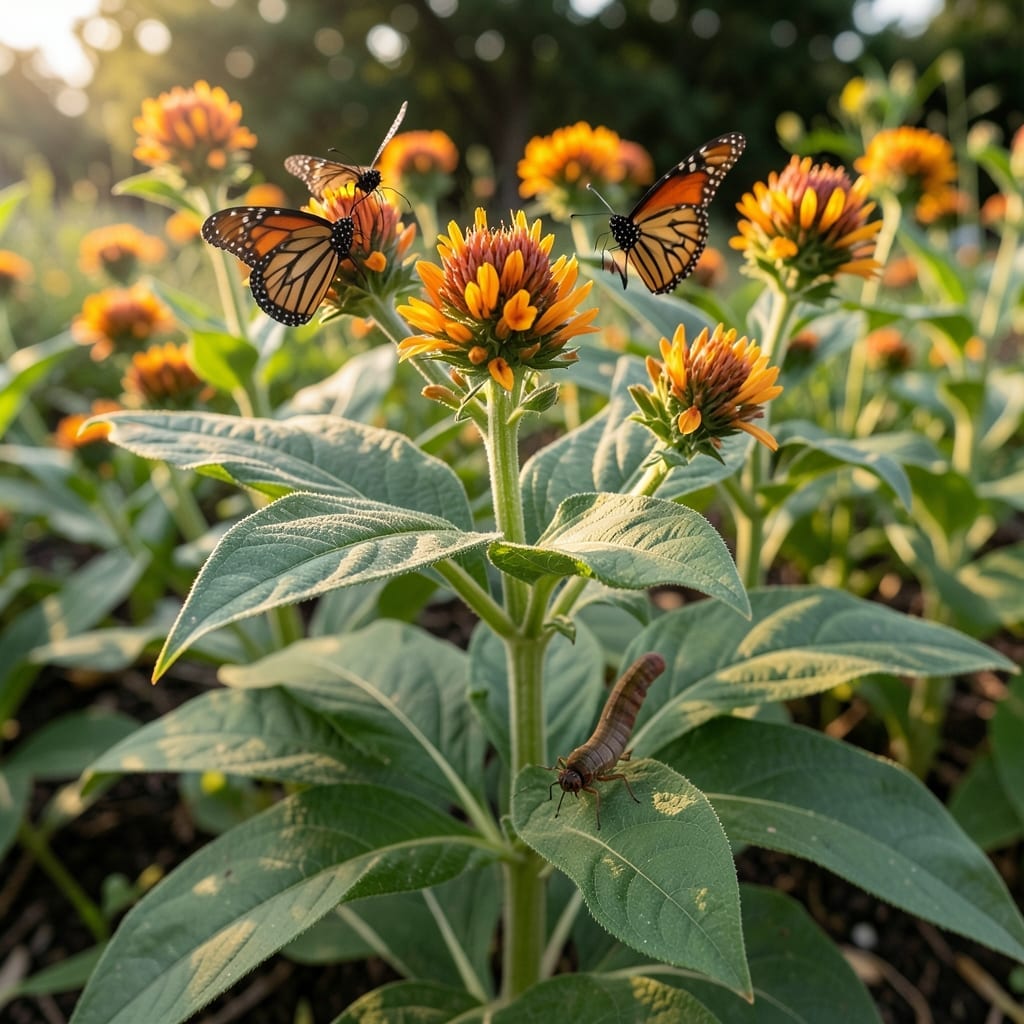
Skip the high-maintenance flower beds and opt for a wildflower mix that does the work for you. This seed blend is designed to thrive in Florida’s heat with minimal water, creating a vibrant, drought-resistant habitat for butterflies.
You’ll attract a variety of native species like zebra longwings and Gulf fritillaries with colorful blooms such as purple coneflowers, black-eyed Susans, and coreopsis. It’s ideal for gardeners who want a pollinator-friendly space without constant upkeep.
Perfect for busy gardeners or those with limited water access, this mix transforms any sunny spot into a butterfly hotspot. 🌻
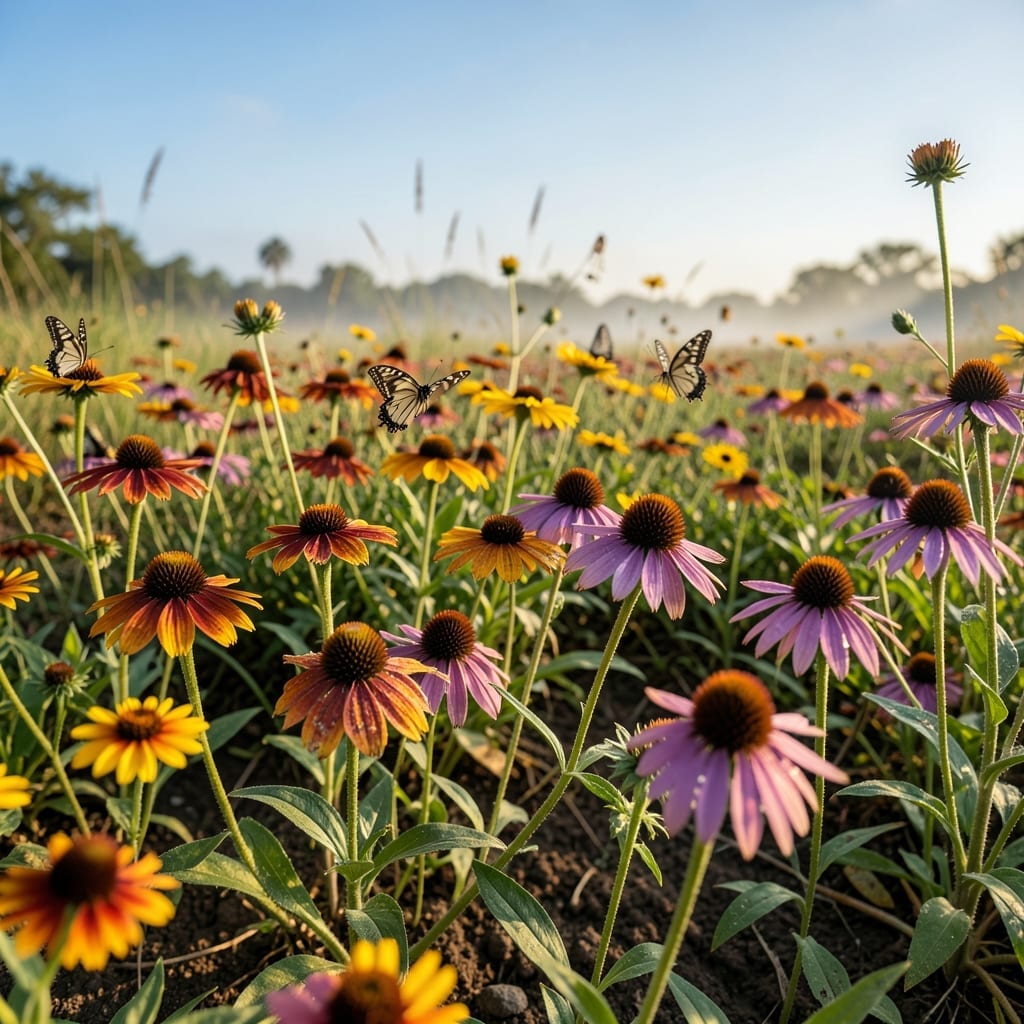
When natural blooms run low, a butterfly feeder bridges the gap for migrating pollinators. This simple tool provides a critical energy source during seasons when flowers are scarce, especially in Florida’s urban landscapes where green spaces may be limited.
Fill it with a sugar-water solution (4 parts water to 1 part sugar) and hang it near sheltered spots. Clean and refill every few days to prevent mold and fermentation, keeping it fresh for visitors like painted ladies and monarchs.
Ideal for city gardeners or anyone wanting to extend their garden’s pollinator support beyond blooming seasons. 🌿
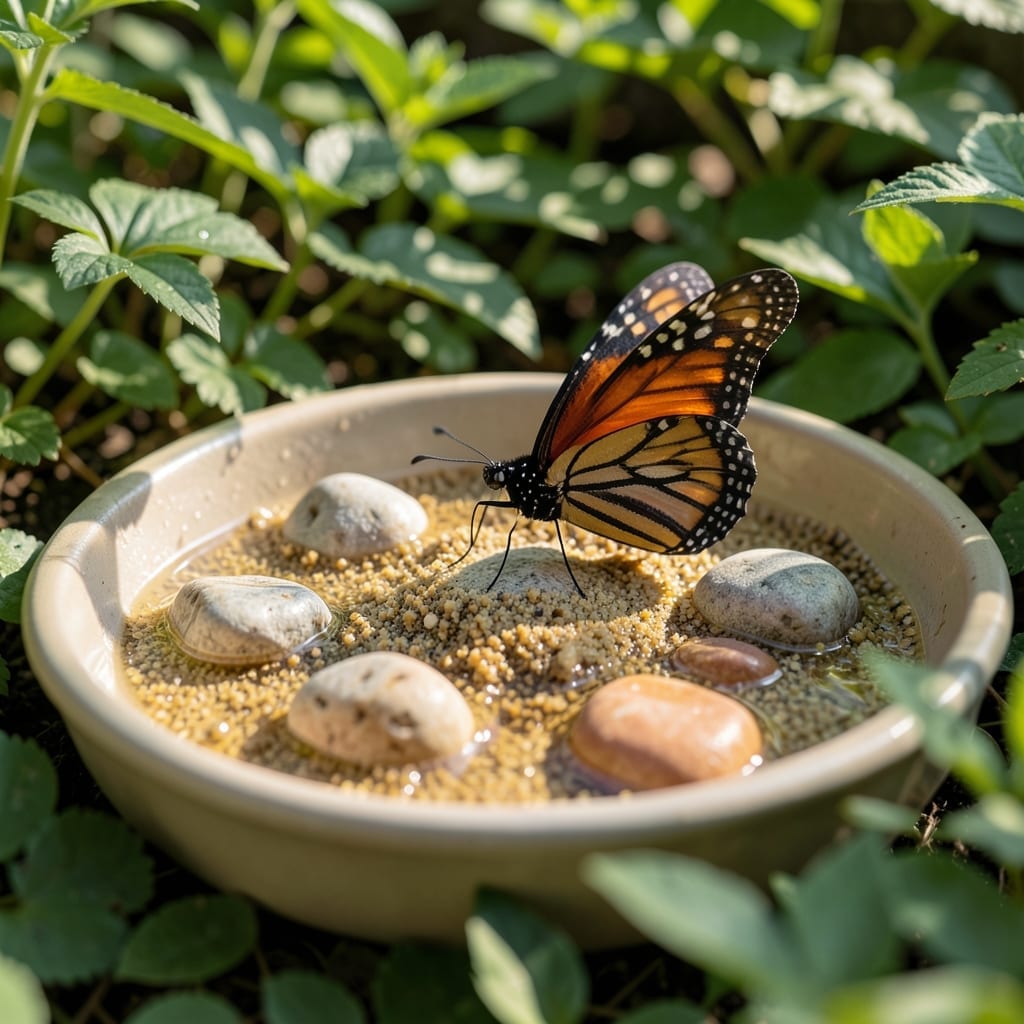
Most butterfly gardens miss this simple yet vital feature. A puddling station provides male butterflies with the minerals and moisture they need for reproduction, which they can’t get from flowers alone.
Use a shallow dish filled with water, sand, and a few small rocks to create safe landing spots. Place it in a sunny area near your garden, and keep the water fresh to attract species like eastern tiger swallowtails and monarchs.
This overlooked addition supports Florida’s butterfly populations and boosts your garden’s ecological impact. 🌿
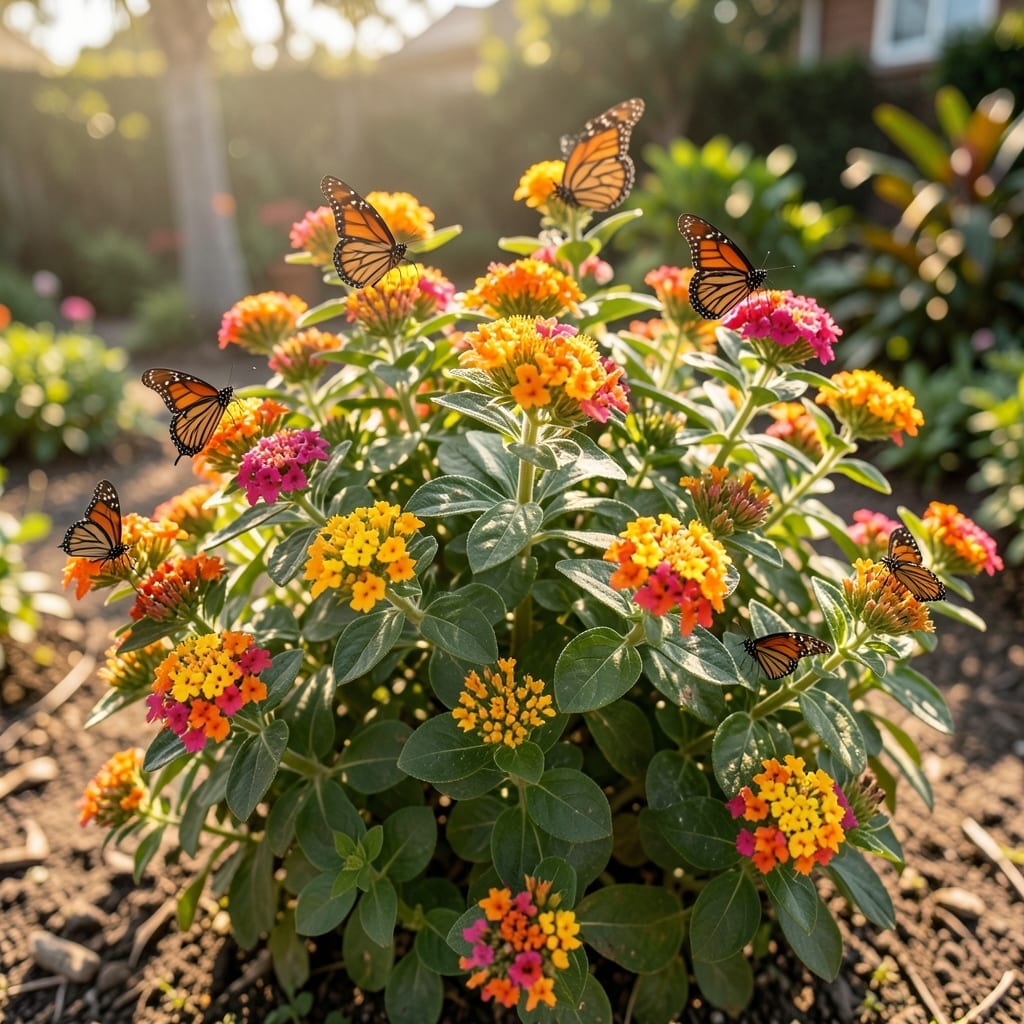
Want a plant that keeps butterflies coming back all year? Lantana Camara is Florida’s go-to shrub for nonstop color and pollinator action. Its vibrant flower clusters bloom continuously, even in the heat, offering a reliable nectar source for Gulf fritillaries, monarchs, and more.
This hardy shrub thrives in full sun and well-drained soil, tolerating drought once established. Prune it lightly after each bloom cycle to encourage bushier growth and even more flowers. It’s a low-maintenance dream for busy gardeners who want maximum impact.
Perfect for creating a lively, butterfly-filled garden with minimal effort. 🌿
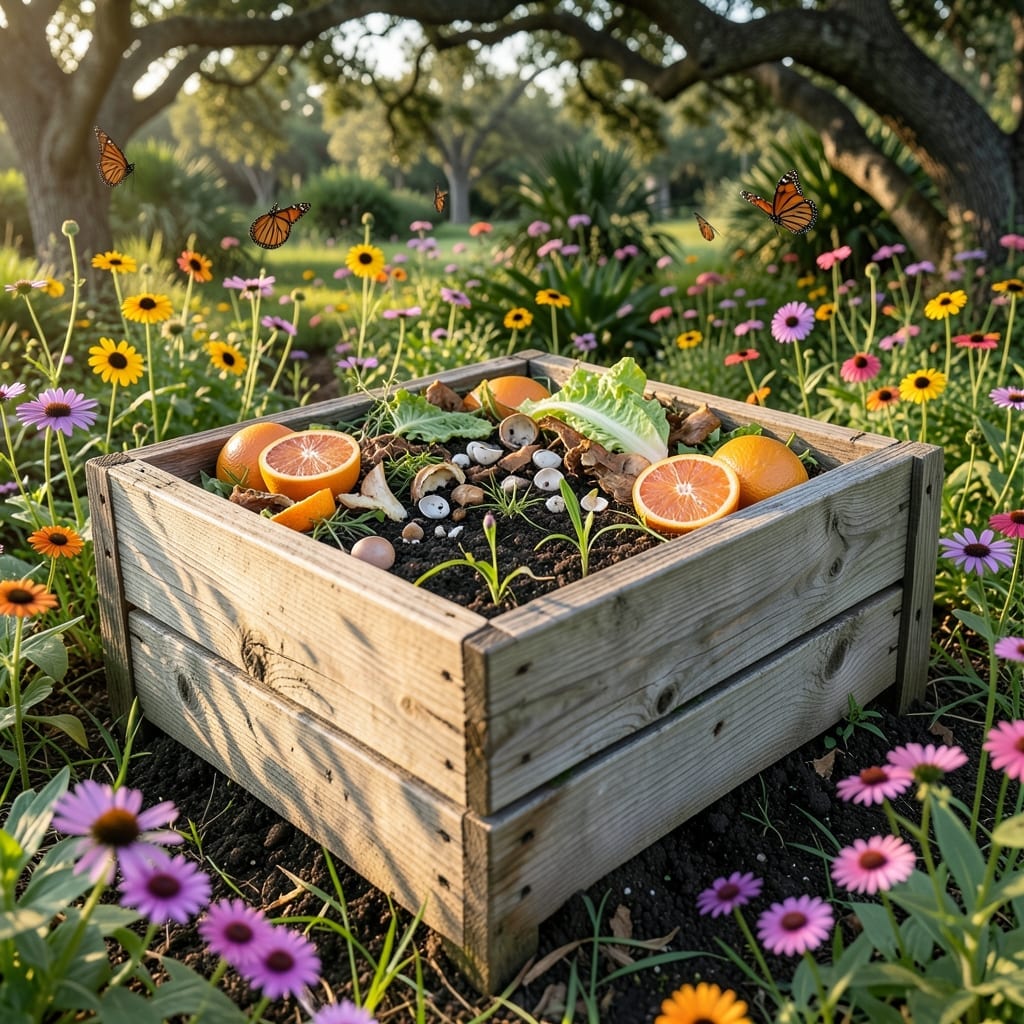
Healthy soil is the foundation of a thriving butterfly garden, and an organic compost bin lets you create it yourself. This simple system turns kitchen scraps and yard waste into nutrient-rich humus that fuels your plants naturally.
Your butterfly-attracting flowers will grow stronger and bloom more abundantly with compost’s slow-release nutrients. Unlike synthetic fertilizers, it won’t harm pollinators or disrupt the ecosystem you’re working to support. Just add equal parts greens and browns, keep it moist, and turn occasionally.
Ideal for eco-conscious gardeners who want to reduce waste while giving their Florida butterfly haven the best possible start. 🌿
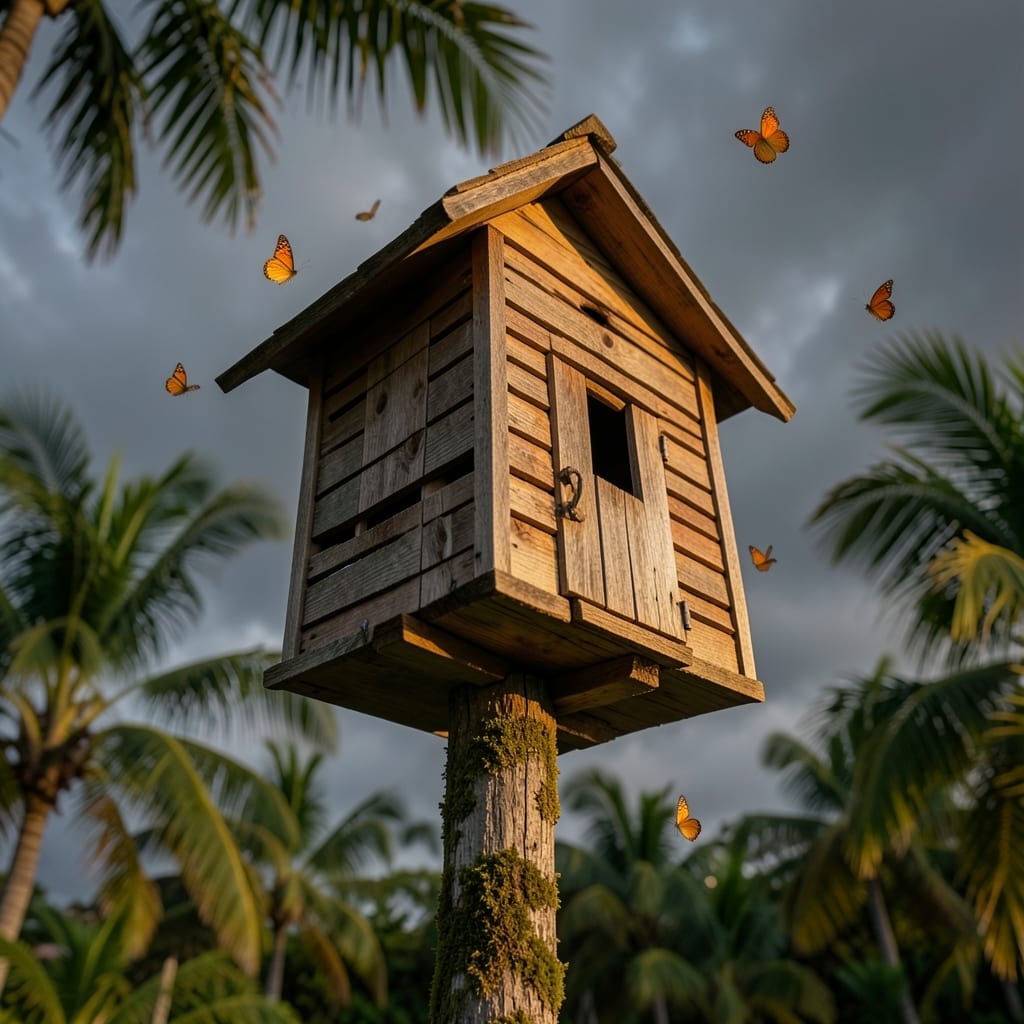
Florida’s unpredictable weather can leave butterflies vulnerable, but a butterfly house shelter changes that. These charming wooden structures offer safe overwintering for butterflies during cold snaps or heavy storms, ensuring they return season after season.
Mount it 3-4 feet high in a sheltered spot near nectar-rich plants. The slatted design protects from wind and rain while allowing airflow. It’s especially vital for year-round gardens, where butterflies may linger instead of migrating.
Perfect for dedicated gardeners who want to provide a true sanctuary, not just a feeding station. 🌿
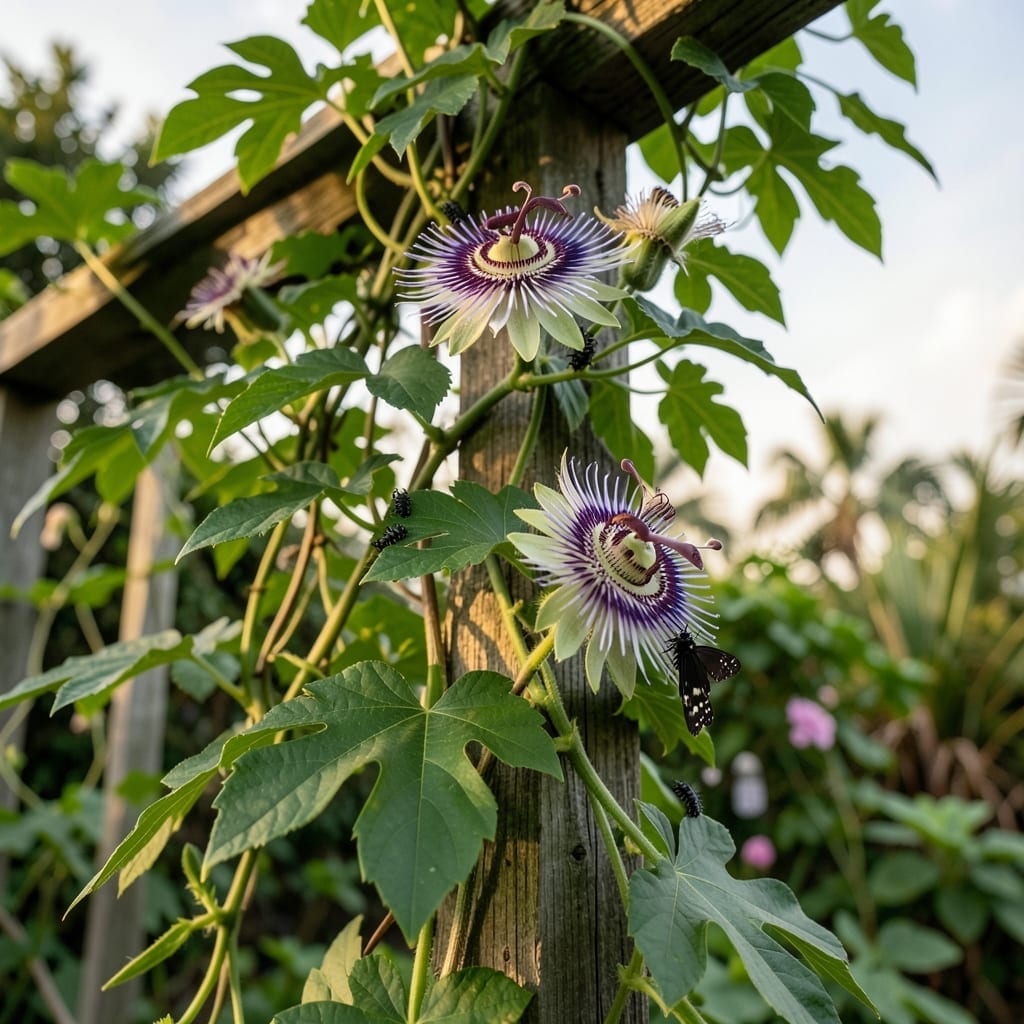
Add dramatic height and ecological value with passionflower vine, a dual-purpose stunner. Its exotic, intricate blooms draw hummingbirds, while the leaves serve as the exclusive host plant for Gulf fritillary and zebra longwing caterpillars.
This fast-growing vine thrives in Florida’s heat, climbing trellises or fences with minimal care. Plant it in well-draining soil with full sun to partial shade, and watch as it transforms bare vertical spaces into a butterfly nursery. It’s drought-tolerant once established, making it ideal for low-maintenance gardens.
Perfect for gardeners who want to maximize space while supporting Florida’s native butterfly species. 🌿
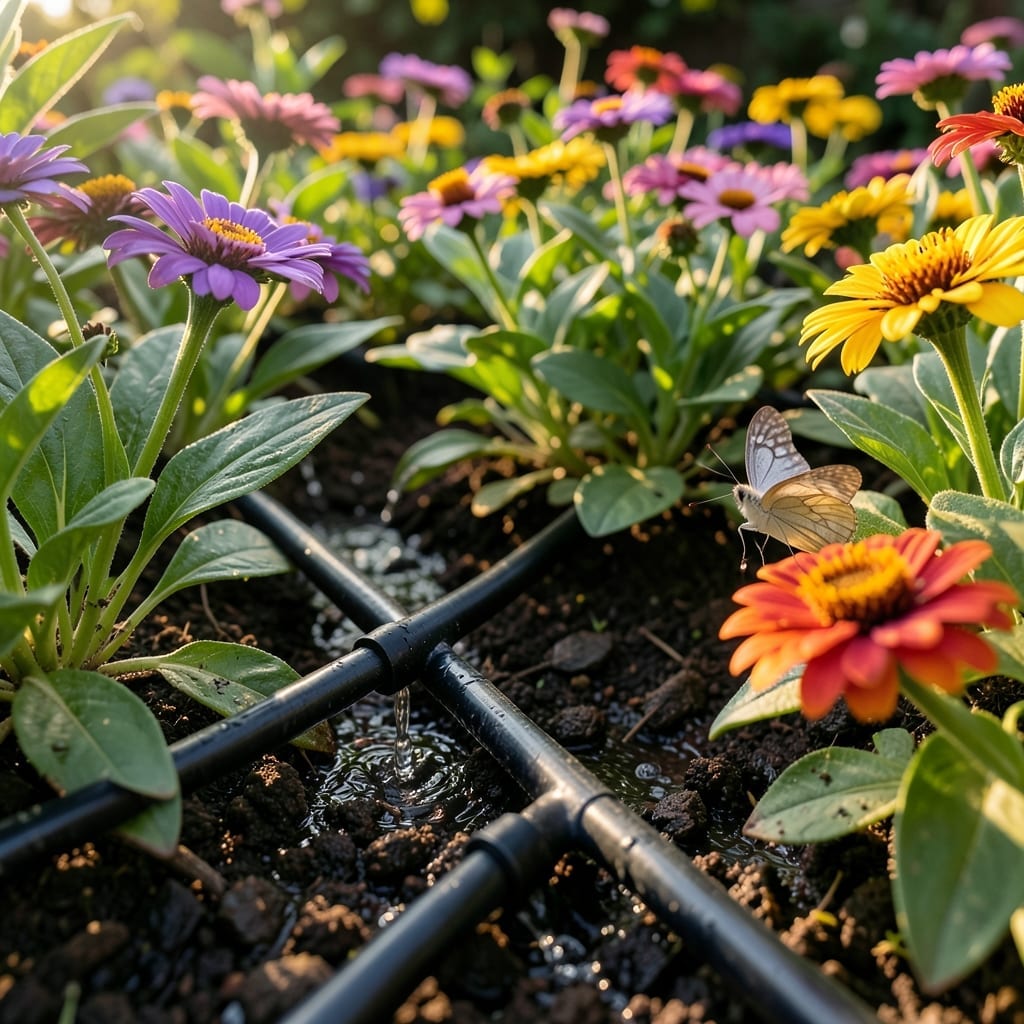
Overhead watering can ruin your butterfly garden before it even starts. A drip irrigation system delivers water directly to plant roots, keeping foliage and flowers dry to protect delicate nectar and butterfly wings from damage.
These systems use slow, targeted watering to maintain consistent moisture levels, which is ideal for Florida’s heat. You’ll save water while ensuring your milkweed, lantana, and other butterfly favorites stay healthy without disrupting the pollinators they attract.
Perfect for eco-conscious gardeners who want to balance efficiency with creating a safe haven for butterflies. 🌿
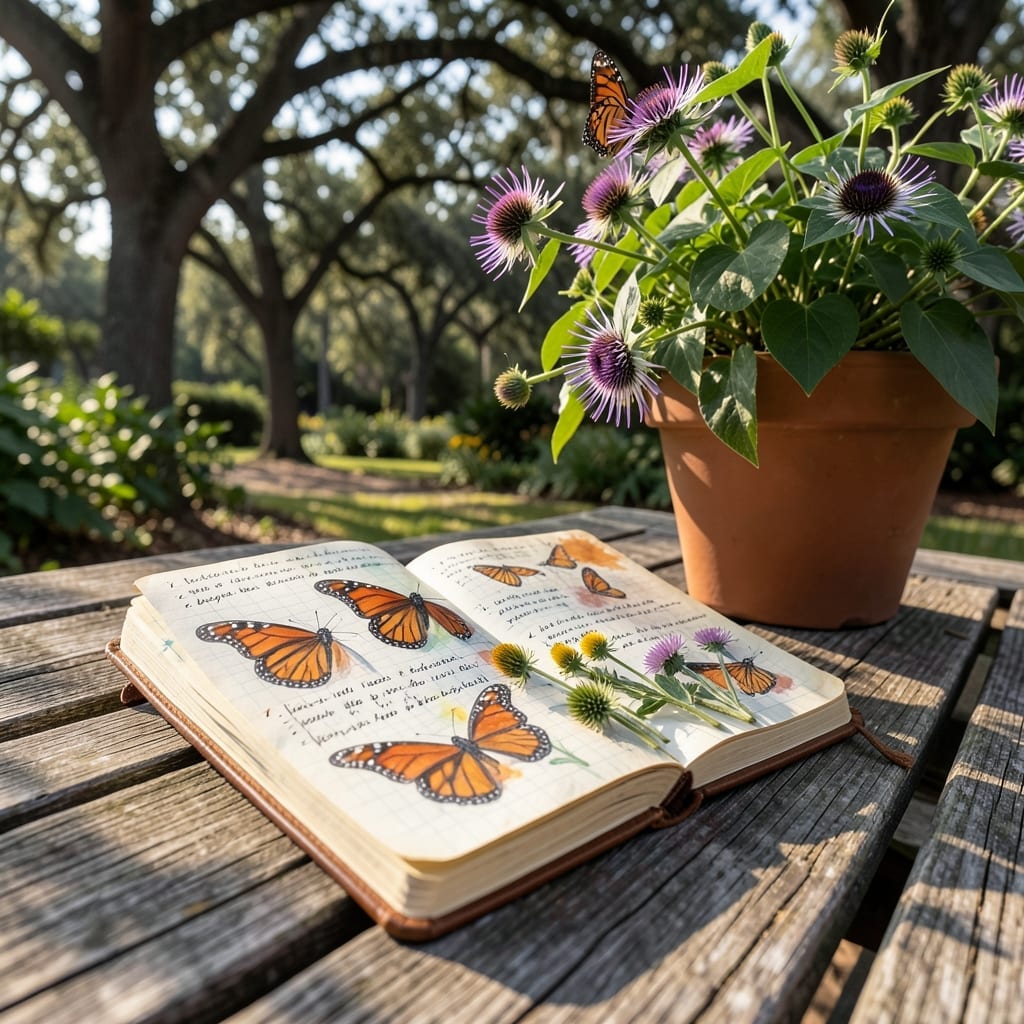
Ever wonder which plants bring the most butterflies to your Florida garden? A garden journal is your secret weapon for tracking patterns, blooming cycles, and pollinator preferences over time.
Record which plants attract the most Gulf fritillaries or monarchs, note peak blooming seasons, and adjust your garden layout for maximum impact. Include sketches, photos, or pressed flowers to document your progress and refine your approach each year.
Ideal for detail-oriented gardeners who want to optimize their space for year-round pollinator appeal. 🌿