
Beautiful Plants For Your Interior
Beautiful Plants For Your Interior
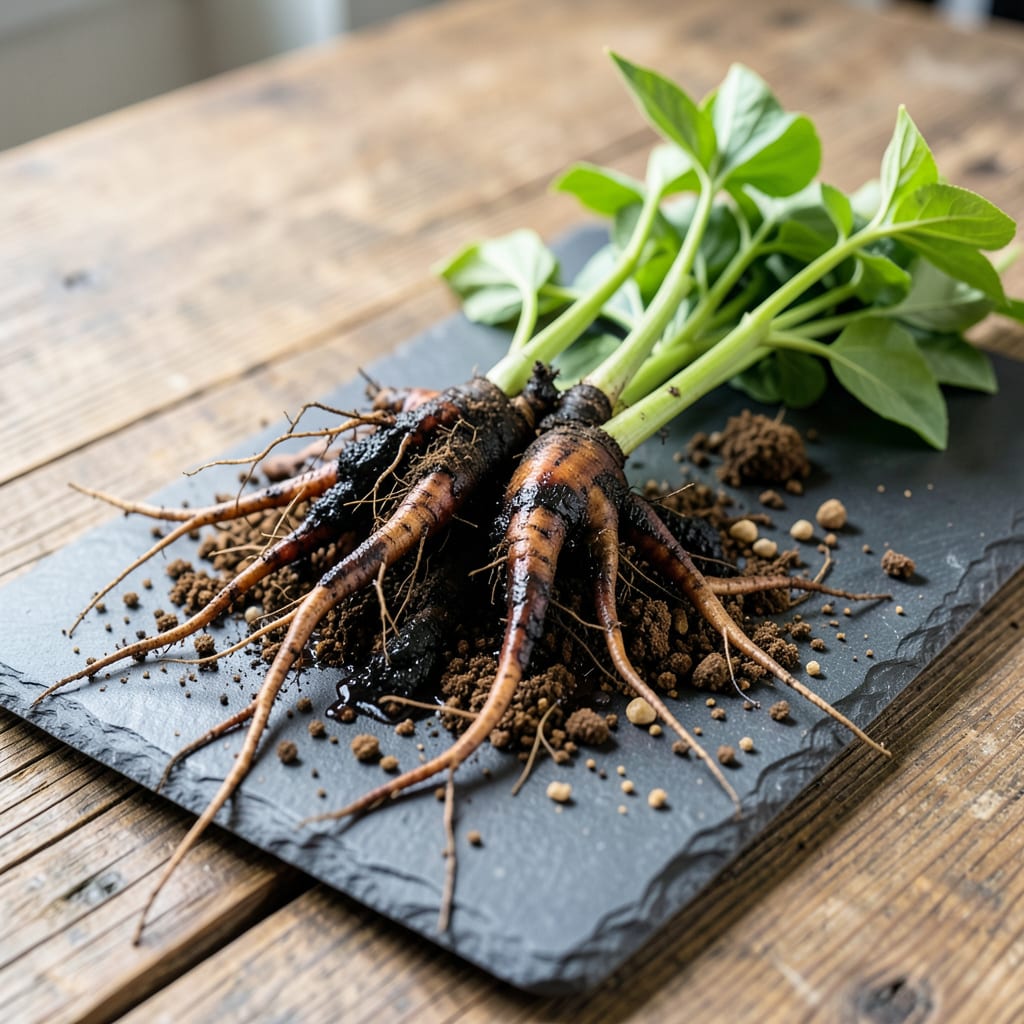
My butterfly bush went from thriving to wilting in two weeks. Turns out, root rot was the silent culprit, and I should’ve spotted the yellowing leaves and mushy stems sooner.
This problem hits when soil stays soggy too long, suffocating roots that need air as much as water. Most gardeners overwater or plant in heavy clay without realizing the risk.
You’ll save your bush by improving drainage first—amend the soil or move it to a raised bed. Then trim affected roots and hold off on water until the soil dries out.
Prevention is simpler than cure: well-draining soil, proper spacing, and a watchful eye on watering habits keep this issue from returning.
Butterfly bush root rot typically stems from a few key environmental and cultural factors. Understanding these causes helps you prevent the problem before it starts. Below are the most common culprits:
Butterfly bushes (Buddleja spp.) thrive in well-draining soil. When planted in heavy clay or compacted soil, water pools around the roots, creating anaerobic conditions. This suffocates the roots and invites fungal pathogens like Phytophthora and Pythium, which cause root rot. Actionable tip: Amend soil with organic matter (e.g., compost or sand) to improve drainage.
Excessive irrigation or frequent rain can oversaturate the soil, especially in containers or low-lying garden areas. Butterfly bushes prefer moderate moisture—overwatering leads to root asphyxiation and fungal growth. Fix it: Water only when the top 1–2 inches of soil are dry, and ensure pots have drainage holes.
Root rot is often caused by soil-borne fungi that flourish in wet, poorly aerated conditions. Phytophthora and Rhizoctonia are common offenders. These pathogens attack weakened roots, turning them mushy and black. Prevention: Use sterile potting mix for new plants and avoid reusing infected soil.
When butterfly bushes are planted too closely together, air circulation suffers, and moisture lingers. This creates a humid microclimate ideal for fungal spores. Solution: Space plants 5–6 feet apart to allow airflow and reduce humidity around the roots.
Root rot in butterfly bushes often stems from poor drainage or overwatering, but these targeted fixes can nurse your plant back to health.
If your butterfly bush sits in heavy or compacted soil, amend it with organic matter like compost or coarse sand. For potted plants, ensure containers have drainage holes and use a well-draining potting mix. Raise garden beds slightly to prevent waterlogging.
Prevention tip: 💡 Test drainage by digging a 1-foot hole, filling it with water, and checking if it drains within an hour.
Let the top 1–2 inches of soil dry out between waterings. Water deeply but infrequently—once a week is often enough for established plants. Use a moisture meter or the finger test to avoid guesswork.
Prevention tip: 🌡️ Water early in the day to allow excess moisture to evaporate before cooler evening temperatures.
For confirmed fungal root rot, remove affected roots with sterilized pruners and treat the remaining roots with a copper-based fungicide or neem oil. Repot or replant in fresh, sterile soil to prevent reinfection.
Prevention tip: ✨ Avoid overhead watering to keep foliage dry and reduce fungal spread.
If roots are circling or matted, the plant may be root-bound. Gently loosen the roots and repot into a larger container or divide the plant to give roots room to breathe. Trim any blackened or mushy roots before replanting.
Prevention tip: 🎯 Repot every 2–3 years or when roots outgrow their space.
Look for yellowing leaves, wilting, and mushy black roots. Stunted growth and foul-smelling soil are also red flags.
Yes, if you act quickly. Trim all rotten roots with sterilized pruners, treat with fungicide, and repot in fresh soil.
Use a well-draining mix with 50% compost and 50% perlite/sand. Raised beds help avoid waterlogging.
Wait until the top 2 inches of soil are dry. Then water deeply but only once weekly for recovery.
