
Beautiful Plants For Your Interior
Beautiful Plants For Your Interior
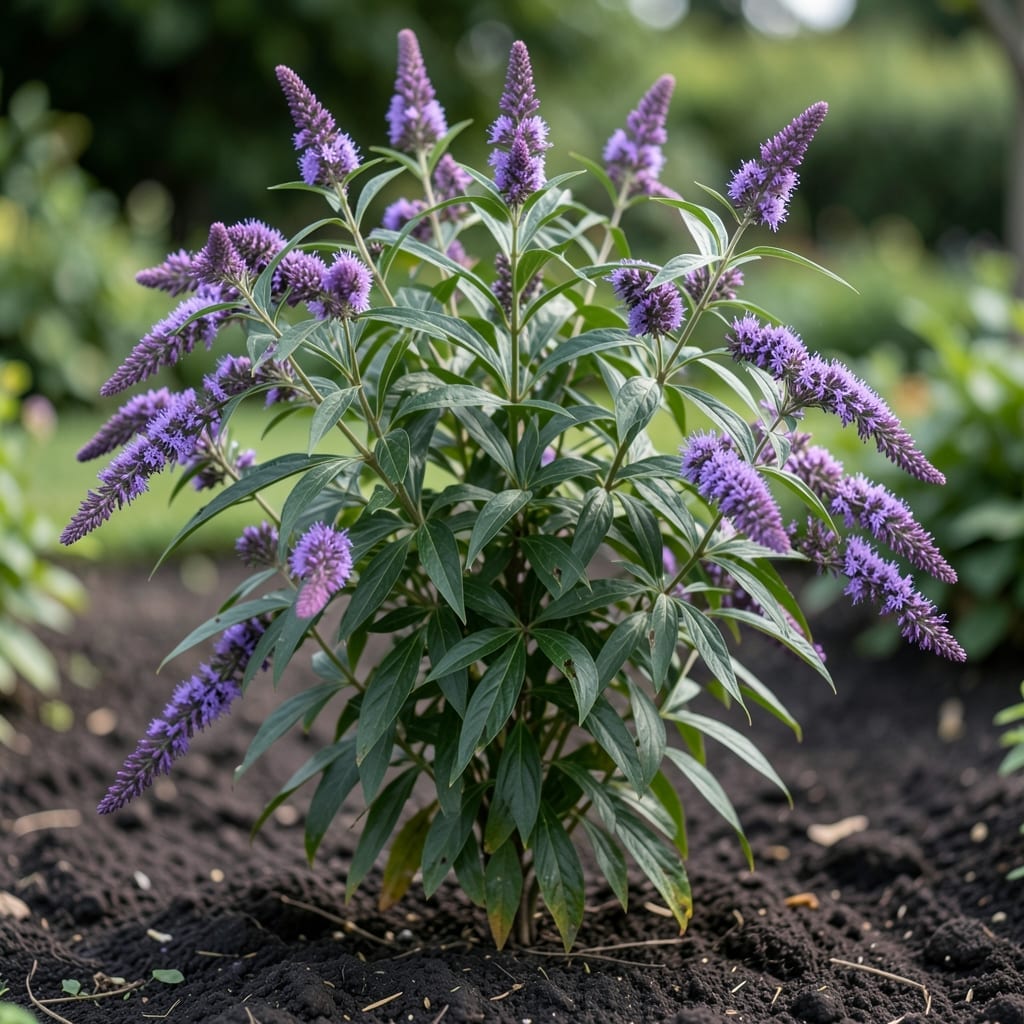
Imagine your garden filled with vibrant 🦋 Butterfly Bushes, but you’re unsure how much space they’ll need. These popular shrubs can surprise you with their growth potential.
From compact dwarf varieties to towering standards, the height range is wider than many expect. Understanding this helps you plan your landscape with confidence.
I’ll walk you through the typical mature heights and what influences them. Whether you want a modest centerpiece or a dramatic backdrop, there’s a Butterfly Bush for your vision.
Discover how to match the perfect variety to your garden’s dimensions and keep it looking its best year after year.

If you’re wondering how tall butterfly bushes grow, the answer depends on the variety. Standard Buddleia davidii typically reaches 8 to 12 feet, while dwarf cultivars like ‘Lo & Behold’ stay compact at 2 to 3 feet. ✂️
Semi-dwarf varieties, such as ‘Miss Molly’ or ‘Miss Ruby’, usually max out at 5 to 6 feet. These are perfect for smaller gardens where space is limited but you still want those pollinator-friendly blooms. 🌿
| Variety | Mature Height | Notes |
|---|---|---|
| Standard (Buddleia davidii) | 8-12 ft | Full sun, fast grower |
| Semi-Dwarf (Miss Molly) | 5-6 ft | Compact habit, vibrant flowers |
| Dwarf (Lo & Behold) | 2-3 ft | Ideal for containers |
| Giant (Buddleia alternifolia) | 12-15 ft | Needs ample space |
Growing conditions also play a huge role in final height. In ideal conditions with full sun and rich soil, butterfly bushes can exceed their expected range. Conversely, poor soil or partial shade may stunt growth. 🌱
Climate zone matters too. In warmer USDA zones 7-9, these shrubs grow taller faster. In cooler zones like 5-6, they may stay slightly smaller but still thrive with proper care.
Pruning is another key factor. Annual pruning in early spring encourages bushier growth and can limit height. I recommend cutting back one-third of the plant to maintain shape and size.
For gardeners with limited space, container growing is a great solution. Dwarf varieties do exceptionally well in large pots with good drainage, typically reaching only 2 to 4 feet tall. ☀️
Soil quality impacts growth rate and final height. Butterfly bushes prefer well-draining soil but tolerate a range of conditions. Amending heavy clay with compost can help them reach their full potential.
Watering practices influence height too. While established plants are drought-tolerant, consistent moisture during the first growing season helps them establish strong root systems for optimal growth.
Remember that fertilizing can boost growth. A balanced 10-10-10 fertilizer applied in spring and mid-summer encourages vigorous growth, but avoid over-fertilizing as it may lead to leggy plants.
Finally, consider the landscape role when choosing a variety. Taller types work well as privacy screens or back-of-border plants, while dwarf varieties shine in front borders or containers. 🌻
I love how butterfly bushes bring life to my garden, but their natural height can sometimes overwhelm a space. Most standard varieties reach 8-12 feet, while dwarf types stay compact at 3-5 feet. Controlling their height is all about timing and technique.
Pruning is your best tool for managing size. I recommend hard pruning in early spring before new growth starts. This keeps the plant compact and bushy rather than leggy. Regular summer trimming also helps maintain your desired shape.
If you’re growing in containers, the root restriction will naturally limit height. I’ve found that dwarf varieties like ‘Buzz Ivory’ stay under 5 feet even without pruning. This is perfect for small gardens or patios.
For those with limited space, container gardening is a game-changer. Use a large pot with good drainage, and remember that potted plants may need more frequent watering and fertilizing to thrive.
Another trick I swear by is pinching back new growth in early summer. This encourages the plant to branch out rather than grow tall, resulting in a fuller, more compact shape with plenty of blooms.
Finally, don’t forget that growing conditions play a role. Full sun and rich soil will produce the tallest plants, while partial shade or poorer soil may keep them slightly smaller. Experiment to find what works best in your garden ✂️