
Beautiful Plants For Your Interior
Beautiful Plants For Your Interior
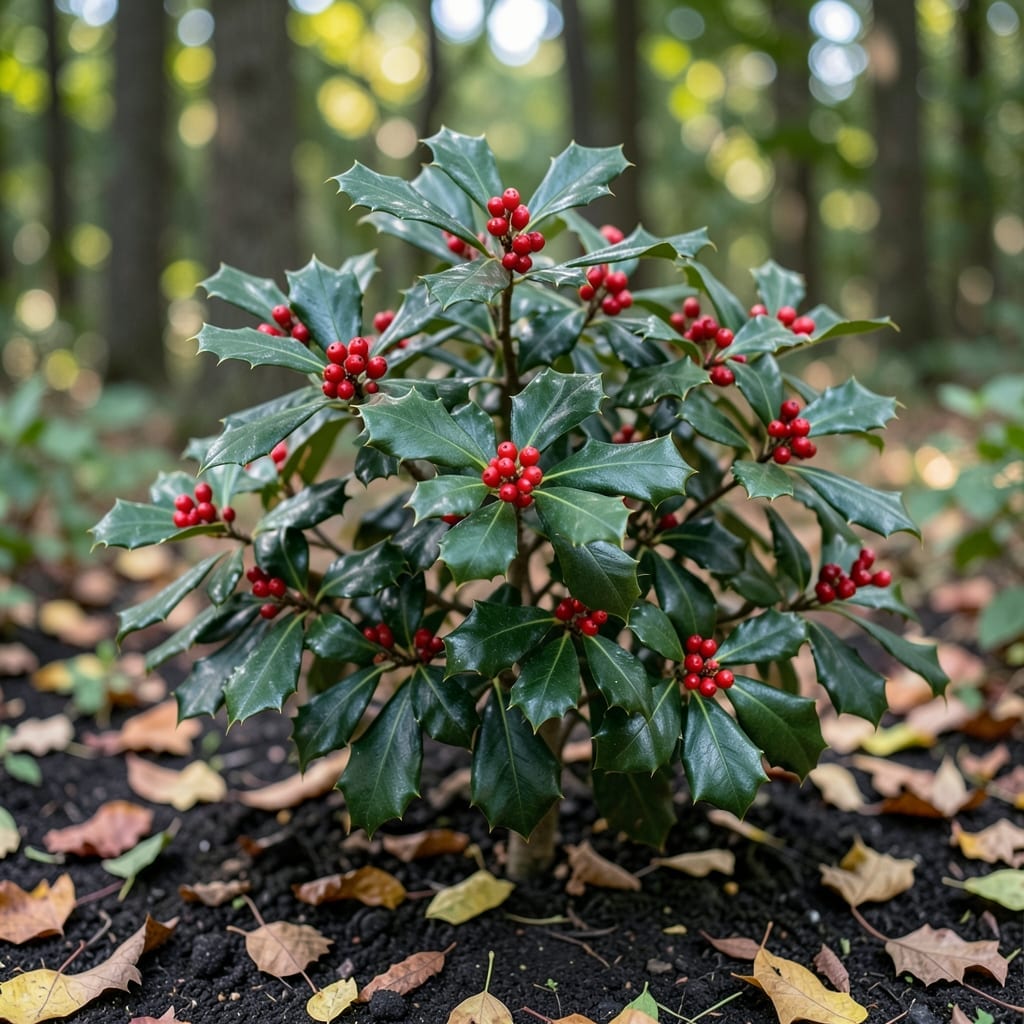
Summer gardens need pops of color that last. I’ve found the right bushes with red berries not only add vibrancy but draw pollinators like bees and butterflies all season long.
These plants thrive in well-drained soil and partial to full sun, making them a foolproof choice for most landscapes. Some of my favorites, like winterberry and barberry, are tough, low-maintenance, and drought-tolerant once established.
You’ll love the contrast of bright berries against green foliage, and the birds certainly will too. They’re a natural buffet that keeps wildlife visiting your yard through late summer.
With minimal pruning and occasional watering, these bushes reward you with years of beauty. Plant them this spring and watch your garden come alive.
Summer’s vibrant red berries on bushes aren’t just for show—they’re a fascinating result of nature’s chemistry and biology. Here’s why it happens:
The red color comes from anthocyanins, water-soluble pigments activated by sunlight and sugar accumulation in the berries. As summer progresses, these pigments develop to protect the fruit from UV damage and attract pollinators. Bushes like Ilex verticillata (winterberry) or Rhus typhina (staghorn sumac) rely on this process to signal ripeness.
Warm temperatures and long daylight hours in summer accelerate berry maturation. Stress factors like drought or nutrient-rich soil can also intensify red pigmentation. For example, Callicarpa (beautyberry) produces its signature purple-red clusters in response to these conditions.
Red berries stand out against green foliage, luring birds and insects to disperse seeds. This adaptive trait ensures the bush’s survival. Planting native species like Aronia melanocarpa (black chokeberry) supports local ecosystems while adding summer color.
If your berry-laden bush is looking lackluster, these targeted fixes will get it back on track. Follow these step-by-step solutions to address the most common problems and keep your plant thriving through the summer.
Yellow leaves often signal nutrient deficiencies or poor drainage. Fix: Test your soil’s pH (aim for 6.0–6.5 for most berry bushes) and amend with compost or a balanced fertilizer. If drainage is the issue, mix in perlite or sand to loosen compacted soil. Prevention tip: 💡 Mulch annually with organic matter to maintain fertility and moisture balance.
Lack of fruit usually means poor pollination. Fix: Plant pollinator-friendly flowers nearby (like lavender or coneflowers) to attract bees and butterflies. Avoid pesticides, which can deter these helpers. For self-pollinating varieties, gently shake branches to distribute pollen. Prevention tip: 🎯 Group multiple bushes together to increase cross-pollination chances.
Inconsistent watering causes stress, leading to berry drop or wilting. Fix: Water deeply 1–2 times per week (more in extreme heat), ensuring the soil stays evenly moist but not soggy. Use a drip irrigation system to deliver water directly to the roots. Prevention tip: ✨ Apply a 2–3 inch layer of mulch to retain moisture and regulate soil temperature.
Aphids, mites, or birds stealing your berries? Fix: Spray infested leaves with a mix of water and insecticidal soap for pests. For birds, drape lightweight netting over the bush after pollination. Prevention tip: 🌡️ Encourage beneficial insects (like ladybugs) by planting companion herbs such as dill or mint.
Popular choices include winterberry, barberry, and beautyberry. Winterberry holds its berries into winter, while barberry offers thorny protection. Beautyberry produces striking purple-red clusters that birds adore.
Most red-berry bushes thrive in full sun to partial shade. Aim for at least 6 hours of direct sunlight daily for optimal berry production and vibrant color. Dappled afternoon shade works well in hotter climates.
Yes! Many red-berried bushes like serviceberry and elderberry provide vital food for birds. However, some (like bittersweet) may be toxic to humans—always verify before planting near edible gardens.
Prune in late winter or early spring before new growth starts. Avoid fall pruning, as this can remove next year’s berry-producing wood. Remove dead or crossing branches first.