
Beautiful Plants For Your Interior
Beautiful Plants For Your Interior
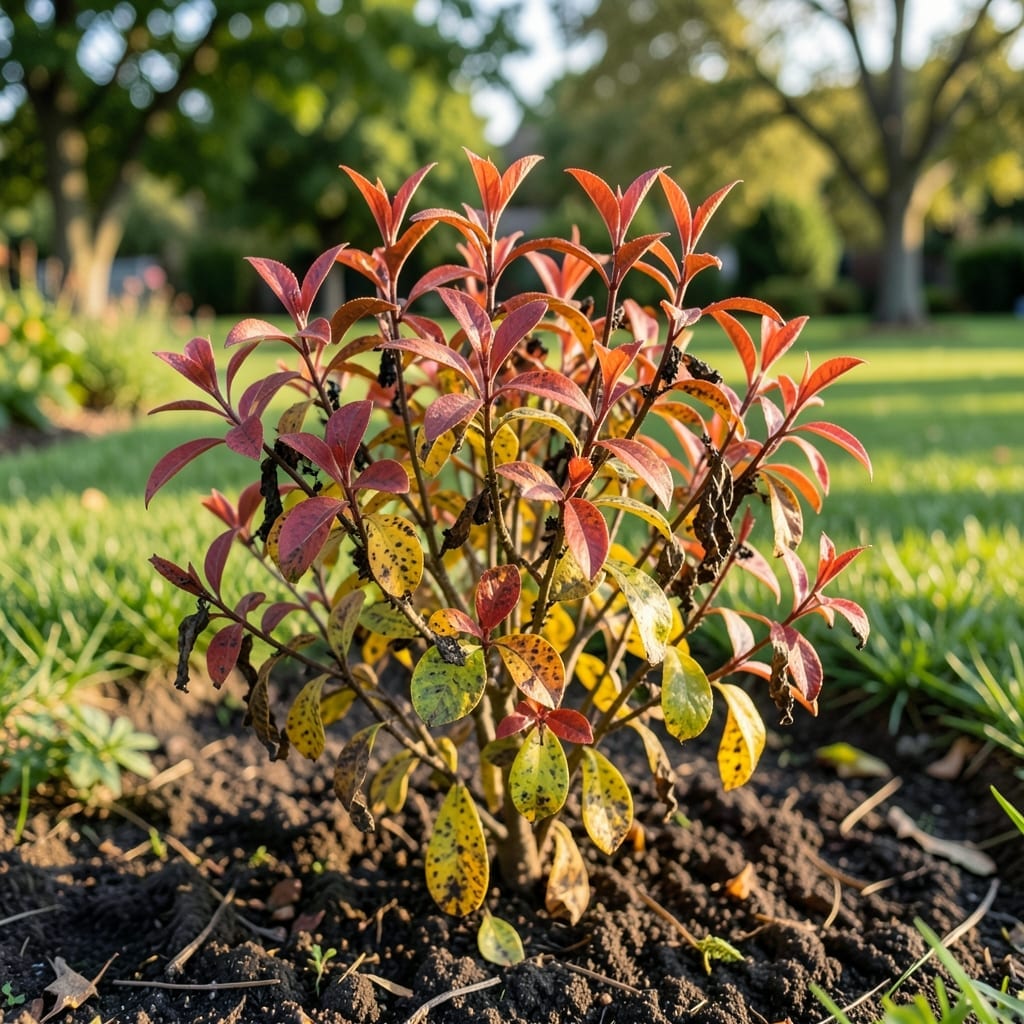
My burning bush went from vibrant red to crispy brown almost overnight. Turns out, most problems with these shrubs announce themselves early if you know what to look for.
Leaf scorch usually means water stress, while chewed leaves point to pests like spider mites. I spotted the warning signs too late my first season—don’t make the same mistake.
Early fixes are simple: adjust watering, improve drainage, or spray with neem oil. The shrub bounces back fast when you act quickly.
Prevention is even easier with the right planting spot and 30 seconds of daily inspection. Here’s how to keep yours thriving.
Understanding why your burning bush shrub is struggling starts with identifying the root causes. Here are the most common culprits behind its problems:
Burning bush shrubs (Euonymus alatus) thrive in well-drained soil and full sun to partial shade. Extreme heat or drought can lead to leaf scorch, where edges turn brown and crispy due to insufficient moisture uptake. Conversely, waterlogged soil from poor drainage or overwatering can suffocate roots, causing yellowing leaves and stunted growth. These plants prefer USDA hardiness zones 4-8, so temperatures outside this range may also stress them.
Common pests like scale insects, spider mites, and aphids target burning bush shrubs, sucking sap from leaves and stems. Scale insects appear as small, waxy bumps, while spider mites leave fine webbing and stippled foliage. Aphids cluster on new growth, secreting honeydew that attracts sooty mold. These pests weaken the plant, making it more susceptible to disease.
Fungal issues such as powdery mildew (white powdery spots on leaves) and anthracnose (dark, sunken lesions) thrive in humid, poorly ventilated conditions. Bacterial leaf spot, caused by Xanthomonas or Pseudomonas, creates water-soaked spots that turn necrotic. Overhead watering and crowded plantings exacerbate these problems by keeping foliage wet for extended periods.
A lack of essential nutrients, particularly nitrogen, iron, or magnesium, can manifest as discolored or stunted leaves. Iron deficiency (interveinal chlorosis) causes yellowing between leaf veins, while magnesium deficiency leads to yellowing edges. Poor soil quality or improper pH (burning bush prefers slightly acidic to neutral soil, pH 6.0-7.5) often triggers these issues.
When your burning bush shrub shows signs of trouble, quick and targeted action can restore its vibrant beauty. Below are practical solutions for the most common problems, along with tips to keep them from returning.
If the edges of the leaves are brown and crispy, inconsistent watering is often the culprit. Water deeply once a week during dry spells, ensuring the soil is moist but not soggy. Prevention tip: 💡 Mulch around the base with 2–3 inches of organic material to retain moisture and regulate soil temperature. Avoid overhead watering to prevent fungal growth.
For aphids, scale, or spider mites, spray the shrub with a strong stream of water to dislodge pests, then apply neem oil or insecticidal soap every 7–10 days until they’re gone. Prevention tip: ✨ Encourage natural predators like ladybugs by planting companion flowers nearby. Keep the area free of debris where pests can overwinter.
If you spot powdery mildew or leaf spots, remove and destroy affected foliage immediately. Apply a fungicide labeled for ornamental shrubs, following package instructions. Prevention tip: 🌡️ Space plants properly for airflow, and avoid watering late in the day so leaves dry quickly.
Yellowing leaves or stunted growth may signal nutrient deficiency. Test your soil’s pH (burning bush prefers slightly acidic to neutral, 6.0–7.0). Amend with compost or a balanced fertilizer in early spring. Prevention tip: 🎯 Feed annually with a slow-release shrub fertilizer to maintain vigor.
Brown leaf edges often signal leaf scorch from inconsistent watering. Water deeply once weekly during dry spells, and add 2-3 inches of mulch to retain moisture.
Those are likely scale insects. Spray with neem oil every 7-10 days until gone. Prevent return by removing plant debris where pests hide.
That’s powdery mildew, thriving in humid conditions. Improve airflow, avoid evening watering, and apply a labeled fungicide.
Yes, yellowing often means nutrient deficiency. Test soil pH (ideal: 6.0-7.0) and amend with compost or balanced fertilizer in spring.