
Beautiful Plants For Your Interior
Beautiful Plants For Your Interior
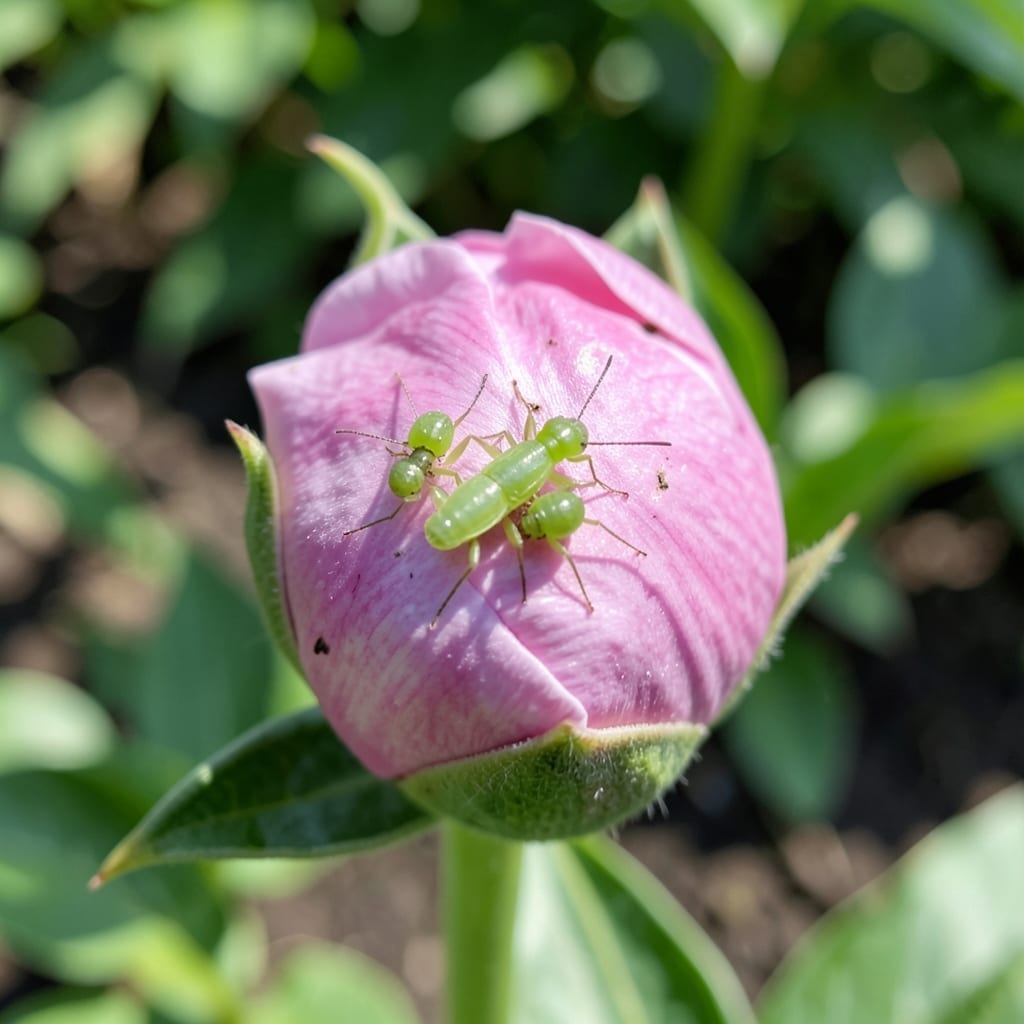
Peony season should be all about those lush blooms, not watching bugs chew through them. I’ve lost count of how many buds I’ve saved by catching pests early—before they turn into a full-blown crisis.
The usual suspects? Ants, aphids, and Japanese beetles love peonies as much as we do. Ants swarm for the nectar, aphids suck the life out of new growth, and beetles devour petals overnight. Left unchecked, they’ll ruin your display in days.
Here’s the thing—most problems start small. A few ants here, a curled leaf there. But spot them early, and you can stop the spread with simple fixes like hand-picking, soapy water, or targeted sprays.
Works for every peony variety, from herbaceous to tree types. Let’s save those flowers.
Peonies are a garden favorite, but their lush foliage and fragrant blooms can attract a variety of pests. Understanding the root causes of insect infestations on peonies helps you prevent and address them effectively. Here are the most common reasons bugs target these plants:
Peonies thrive in well-ventilated spaces with good airflow. When planted too closely together or surrounded by dense foliage, humidity builds up, creating a perfect breeding ground for pests like aphids and thrips. Additionally, fallen leaves and debris around the base of the plant can harbor eggs and larvae, leading to recurring infestations. Regularly prune and space plants to reduce hiding spots for bugs.
Peonies prefer moist but well-drained soil. Overwatering or poor drainage can lead to root rot and fungal growth, which weakens the plant and makes it more susceptible to pests like Japanese beetles and scale insects. Water at the base of the plant in the morning to allow foliage to dry quickly, reducing the risk of fungal and pest issues.
Monoculture planting (growing only peonies in an area) can attract specific pests that target these plants. Integrating companion plants like lavender, marigolds, or garlic can naturally repel pests. For example, ants—which are drawn to peony buds for their nectar—can be deterred by planting mint or chives nearby.
Peonies under stress from nutrient deficiencies, extreme temperatures, or improper pruning are more vulnerable to pest attacks. Ensure your peonies receive balanced fertilization (low in nitrogen) and are planted in full sun to partial shade. Healthy, vigorous plants are better equipped to resist and recover from infestations.
Peony plants can fall victim to several common pests, but don’t worry—most are easy to manage with the right approach. Below are targeted solutions for the most frequent culprits, plus tips to keep them from coming back.
These tiny green or black bugs cluster on new growth and buds, sucking sap and leaving sticky residue. Fix: Spray them off with a strong jet of water in the morning. For stubborn infestations, apply insecticidal soap or neem oil, following package instructions. Repeat every 5–7 days until they’re gone.
Prevention: Encourage natural predators like ladybugs by planting companion flowers such as marigolds or yarrow nearby.
These microscopic pests thrive in hot, dry conditions, causing yellowing or bronzing leaves. Fix: Rinse leaves with water to dislodge mites, then apply horticultural oil or neem oil. Avoid synthetic pesticides, which can harm beneficial insects.
Prevention: Keep peonies well-watered during dry spells and mist leaves occasionally to deter mites.
These nocturnal feeders chew irregular holes in leaves and flowers. Fix: Handpick them at dusk or dawn, or set up beer traps (bury a shallow dish filled with beer at soil level). For a non-toxic barrier, sprinkle diatomaceous earth around the base of plants.
Prevention: Remove debris and hiding spots like mulch or boards where they may shelter during the day.
These metallic green-and-copper beetles skeletonize leaves and flowers. Fix: Drop them into a bucket of soapy water in the early morning when they’re sluggish. For severe outbreaks, use pheromone traps away from your garden or apply Bacillus thuringiensis (Bt) var. galleriae.
Prevention: Plant trap crops like roses or grapes elsewhere in the yard to lure them away from peonies.
💡 Pro Tip: Always inspect new plants for pests before introducing them to your garden, and maintain good airflow around peonies to reduce pest-friendly conditions.
Ants are attracted to the sweet nectar peony buds produce. They don’t harm the plant but can be a nuisance. Use sticky traps or rinse them off with water to reduce their numbers.
Look for curled leaves, sticky residue, or clusters of tiny green/black bugs on new growth. Treat with insecticidal soap or a strong water spray to dislodge them.
Use chemicals only as a last resort, as they can harm beneficial insects. Opt for organic solutions like neem oil or companion planting to deter pests naturally.
Early morning or late evening is ideal, when pests are less active. This also prevents harming pollinators like bees that visit during the day.