
Beautiful Plants For Your Interior
Beautiful Plants For Your Interior
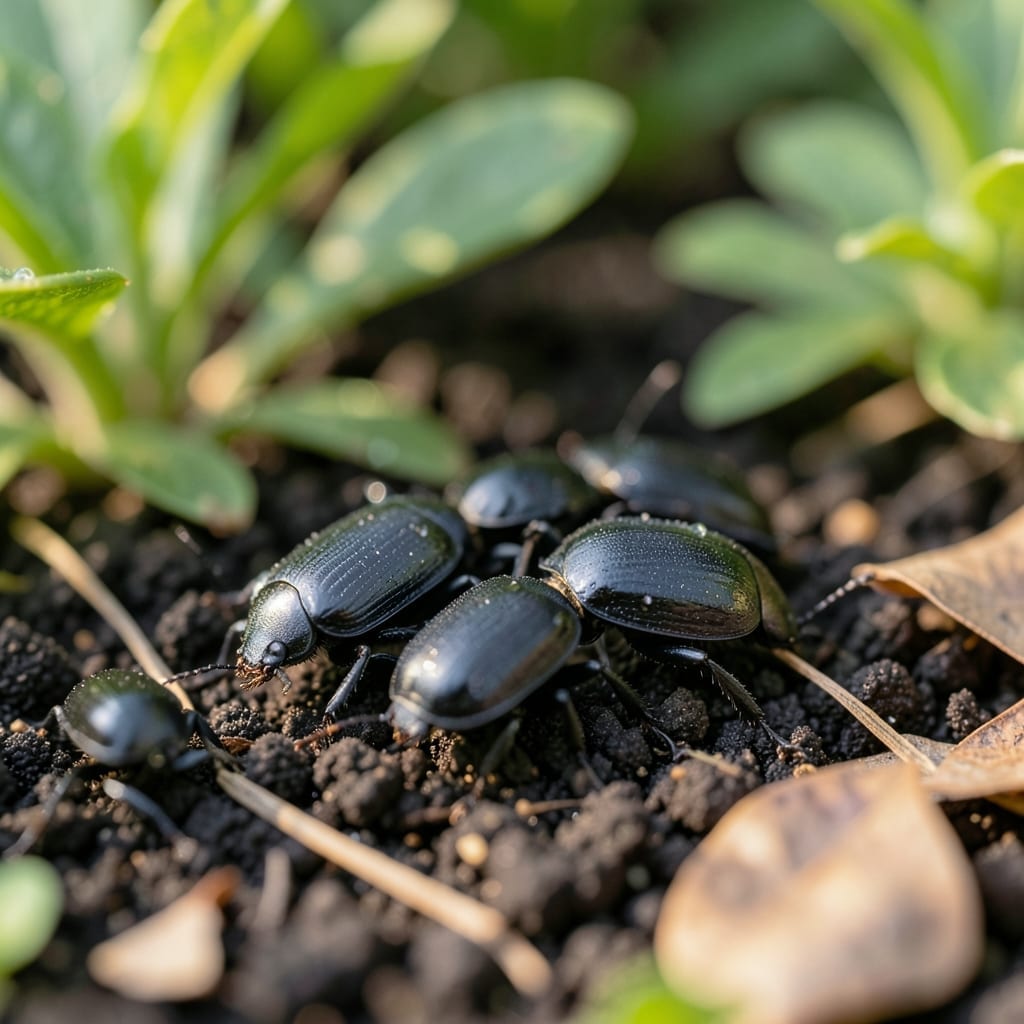
I found white grubs in my raised beds last spring. Tiny pests doing big damage before I even knew they were there.
Here’s the thing—most soil bugs aren’t the problem. It’s the imbalance that lets the harmful ones take over. Healthy soil hosts thousands of beneficial organisms that keep the bad guys in check.
You’ll spot the difference quickly: plants with strong roots, vibrant growth, and no mysterious wilting. The solution starts with what you add to your soil, not what you spray on your plants.
Works for vegetable gardens, flower beds, and container plants. Organic prevention keeps everything in balance.
The presence of bugs in the soil is often a sign of an ecosystem at work, but an imbalance can lead to plant damage. Understanding why they appear helps you address the root of the problem. Below are the most common causes, explained with actionable insights.
Excess moisture creates an ideal breeding ground for many soil-dwelling pests, such as fungus gnats and pill bugs. Poor drainage, overwatering, or compacted soil traps water, reducing oxygen levels and encouraging decomposers and pests to thrive. Fix it by improving soil structure with organic matter (e.g., compost) and ensuring proper drainage.
While organic matter is beneficial, an overabundance of undecomposed leaves, grass clippings, or mulch can attract pests like earwigs, slugs, and beetle larvae. These materials provide food and shelter. Action step: Balance organic inputs and turn the soil regularly to speed up decomposition and discourage infestations.
Stagnant, warm soil is a haven for many insects. Tillage disrupts pest life cycles, but no-till gardens can unintentionally harbor more bugs if not managed. Solution: Introduce beneficial nematodes or practice light, periodic disturbance to break up pest habitats without harming soil structure.
When natural predators (e.g., ground beetles, centipedes) are absent, pest populations explode. This often happens in gardens treated with broad-spectrum pesticides, which kill helpful insects alongside pests. Remedy: Avoid chemical pesticides and plant companion plants (like marigolds or alyssum) to attract predator species.
Growing the same crop in one area year after year depletes soil nutrients and creates a buffet for pests that favor that plant. Prevent it by rotating crops and diversifying plant types to disrupt pest life cycles and improve soil health.
Dealing with soil pests doesn’t have to mean harsh chemicals—organic solutions can restore balance while protecting your plants. Below are targeted fixes for common issues, along with prevention tips to keep your garden thriving.
If beetles, grubs, or cutworms are wreaking havoc, introduce beneficial nematodes or Bacillus thuringiensis (Bt), a natural bacteria that targets larvae. Apply in the evening for best results, as UV light can degrade Bt. Prevention tip: 💡 Rotate crops annually to disrupt pest life cycles and reduce buildup.
Fungus gnats and root-feeding bacteria thrive in soggy soil. Fix it by improving drainage—mix in compost or sand to loosen compacted earth. For existing fungi, sprinkle cinnamon or a neem oil solution on the soil surface. Prevention tip: 🌡️ Water only when the top inch of soil is dry to avoid over-saturation.
These tiny pests suck plant juices and multiply fast. Blast them off with a strong spray of water, then apply insecticidal soap or horticultural oil to smother them. Prevention tip: ✨ Encourage natural predators like ladybugs by planting marigolds or dill nearby.
Poor soil health attracts pests. Test your soil and amend it with organic matter like worm castings or compost tea. Weak plants are pest magnets, so keep them nourished. Prevention tip: 🎯 Maintain a diverse garden—monocultures are more vulnerable to infestations.
Consistency is key: monitor your soil regularly, and act at the first sign of trouble for a resilient, bug-free garden.
No, most soil organisms are beneficial! Earthworms, ground beetles, and centipedes help aerate soil and control pests. Only a few types, like grubs or cutworms, cause damage.
Look for wilted or yellowing leaves, holes in stems, or stunted growth. Check roots for chew marks or missing sections. Healthy plants rarely show these signs.
Start with organic methods: handpick visible pests, use neem oil, or introduce beneficial nematodes. Avoid chemicals unless absolutely necessary.
Yes, soggy soil encourages fungus gnats and root rot. Water only when the top 1-2 inches of soil are dry to discourage pests.