
Beautiful Plants For Your Interior
Beautiful Plants For Your Interior
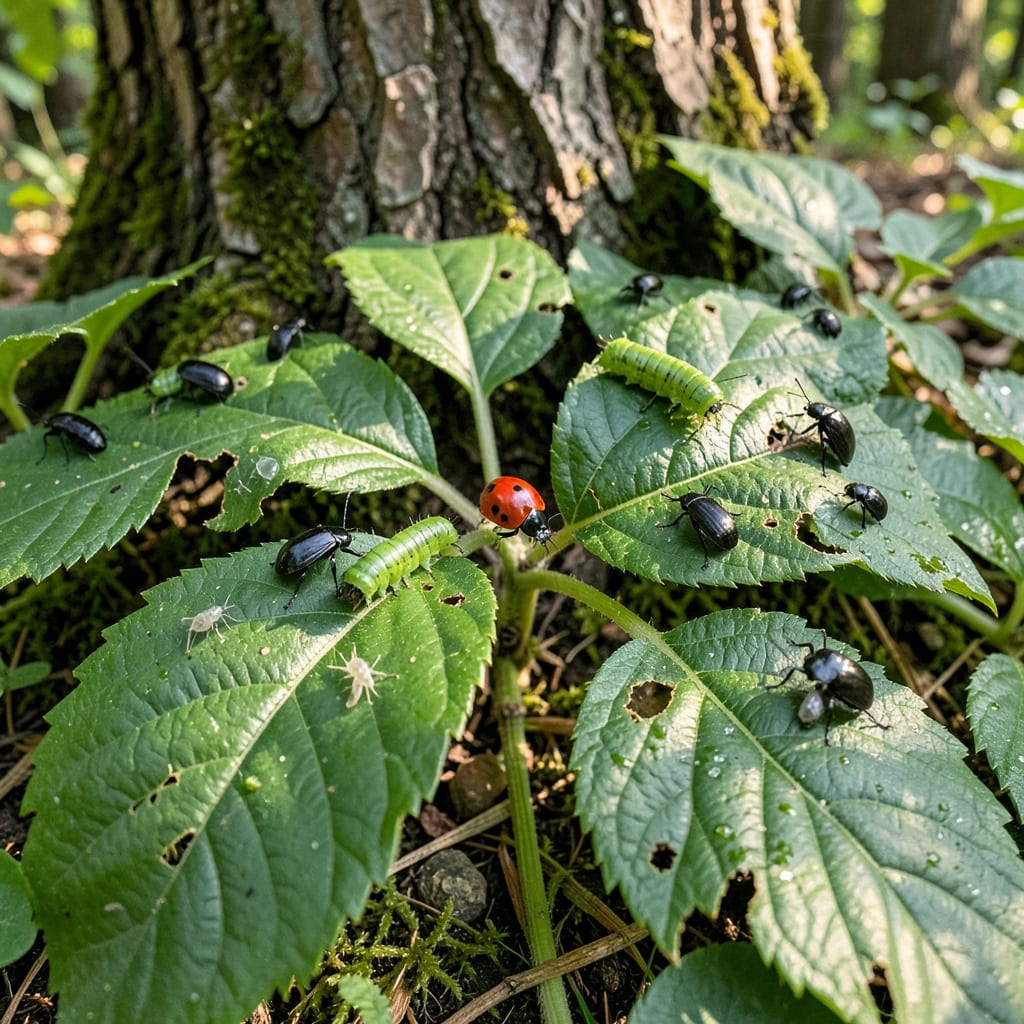
Watching caterpillars devour my maple’s leaves changed how I think about tree care. Those hungry bugs aren’t just unsightly—they can stress your trees and invite disease.
I learned the hard way that identification is key. Different pests leave different patterns: holes, skeletonized leaves, or entire branches stripped bare. Once you know what you’re dealing with, the solution becomes much clearer.
Natural approaches work surprisingly well. A strong blast of water knocks off soft-bodied pests, while beneficial insects like ladybugs control others. For stubborn infestations, targeted treatments can save your trees without harming the environment.
The real win comes from prevention. Healthy trees with proper watering and mulching resist pests better. Regular inspection catches problems early, before they spiral out of control.
Understanding why insects target your tree’s foliage is the first step to stopping the damage. Here are the most common causes:
Many insects, like caterpillars, beetles, and sawflies, rely on tree leaves as their primary food source. Trees produce tender, nutrient-rich leaves that are packed with proteins, sugars, and water—perfect for larval growth. Species such as the gypsy moth or Japanese beetle are hardwired to consume foliage as part of their life cycle. This isn’t personal; it’s survival.
Stressed trees are like a buffet sign for bugs. Drought, poor soil, or root damage weakens a tree’s defenses, making its leaves softer and more palatable. Pests can detect these chemical changes and swarm in. For example, aphids thrive on plants with high nitrogen levels, often a result of over-fertilization.
Nature keeps pest populations in check—when it’s allowed to. If your yard lacks birds, ladybugs, or parasitic wasps (natural predators of leaf-eating bugs), infestations can spiral. Urban areas or chemical-heavy gardens often disrupt this balance, giving pests free rein to munch away.
Planting a single tree species in a large area creates a pest paradise. With no diversity, insects like the elm leaf beetle can spread rapidly without encountering resistant plants. Mixed landscapes force pests to work harder for their meals, reducing damage.
When bugs start munching on your tree leaves, quick and targeted action can save your greenery. Below are practical fixes for common culprits, along with prevention tips to keep your trees healthy long-term.
Use a strong spray of water from a garden hose to dislodge aphids from leaves. For stubborn infestations, apply insecticidal soap or neem oil every 5–7 days until they’re gone. Prevention tip: 💡 Encourage ladybugs and lacewings—natural predators of aphids—by planting pollinator-friendly flowers nearby.
Handpick caterpillars off leaves (wear gloves!) and drop them into soapy water. For larger outbreaks, use Bacillus thuringiensis (Bt), a natural bacteria that targets caterpillars without harming other insects. Prevention tip: 🌡️ Wrap tree bands around the trunk to block climbing pests like cankerworms.
Set up beetle traps away from your trees to lure them elsewhere. For immediate relief, spray leaves with kaolin clay or pyrethrin-based insecticide at dusk when beetles are most active. Prevention tip: ✨ Remove fallen fruits and weeds, which attract beetles looking for food and shelter.
Trim off heavily infested branches and destroy them to stop the spread. Apply spinosad or horticultural oil to remaining foliage for control. Prevention tip: 🎯 Inspect trees regularly in early spring when larvae first appear, and act fast before they defoliate branches.
For all pests, early detection is key. Check leaves weekly, especially undersides, and address issues before they escalate. Healthy trees with proper watering and mulching are also more resistant to attacks.
Look for patterns: caterpillars leave ragged edges, while beetles create small holes. Aphids cluster on undersides, and sawfly larvae skeletonize leaves. Use a magnifying glass to spot tiny pests like mites.
Healthy trees usually survive moderate damage, but severe or repeated defoliation weakens them. Young trees are most vulnerable. Act quickly if you notice 50% leaf loss or wilting.
For mild infestations, yes. Neem oil or insecticidal soap work well on aphids and mites. For stubborn pests like Japanese beetles, targeted chemicals may be needed. Always try gentler methods first.
