
Beautiful Plants For Your Interior
Beautiful Plants For Your Interior
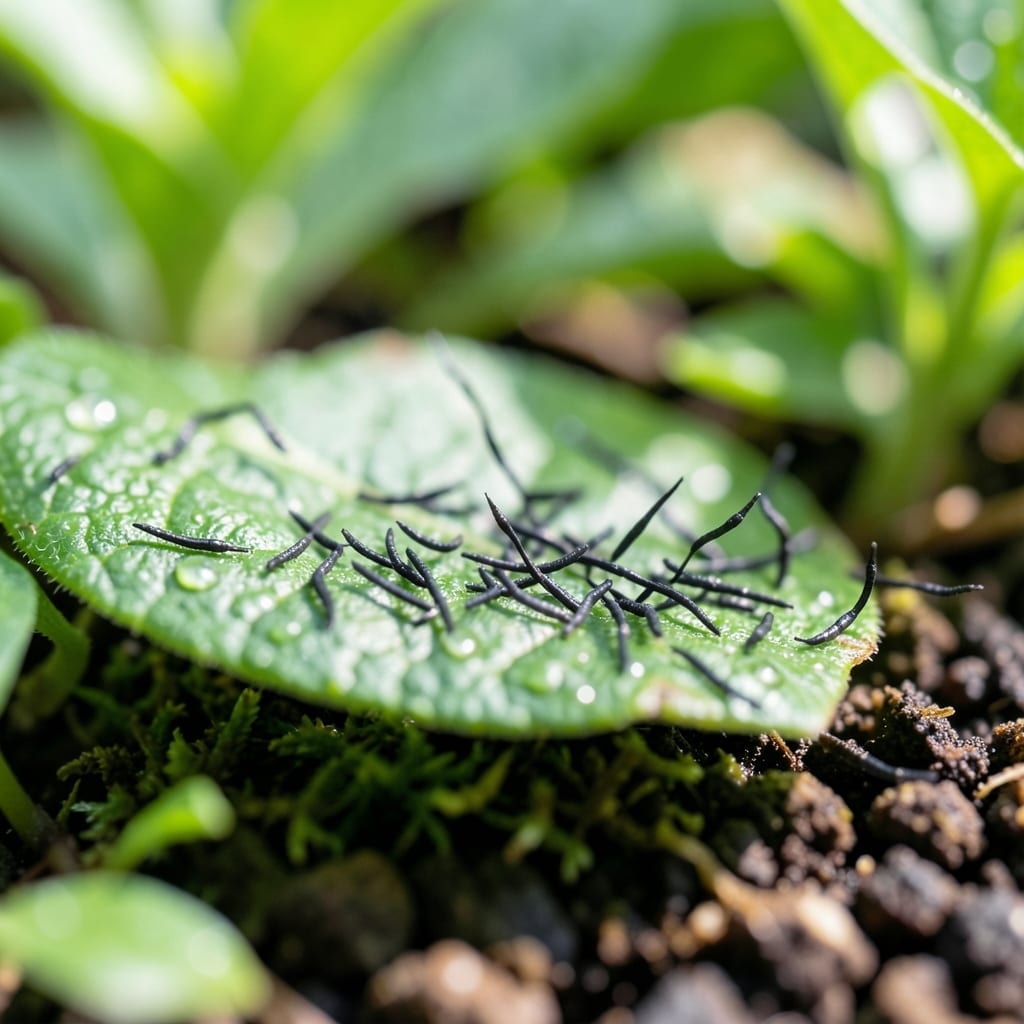
Standing water in my yard used to mean a summer of itchy bites. I discovered BTI—a natural bacteria that targets mosquito larvae without harming anything else in your garden ecosystem.
It works by disrupting the larvae’s digestion, stopping them before they mature. One treatment lasts 30 days, and it’s safe for pets, kids, and beneficial insects like bees and butterflies.
I treat birdbaths, rain barrels, and even the saucers under my potted plants. Within 24 hours, the water stays clear, and the mosquitoes disappear.
No chemicals, no fuss—just a simple, effective way to reclaim your backyard. Here’s how to use it right.
Understanding why mosquito larvae proliferate helps explain the need for solutions like Bacillus thuringiensis israelensis (BTI). These larvae thrive due to specific environmental and biological factors. Below are the primary causes:
Mosquitoes require standing water to complete their life cycle. Even small amounts—like in clogged gutters, flowerpot saucers, or unused tires—can become breeding grounds. Female mosquitoes lay eggs in these stagnant pools, and larvae hatch within days, feeding on organic matter in the water.
Larvae develop fastest in warm, humid conditions (ideally 70–85°F). Higher temperatures accelerate their growth cycle, allowing them to mature into adults in as little as 7–10 days. This is why infestations spike in summer and tropical climates.
Decaying leaves, algae, and other organic material in water provide nutrients for larvae. These microhabitats support their feeding and growth, making untreated ponds, ditches, or even birdbaths prime breeding sites.
In undisturbed water, mosquito larvae often face few natural predators. Without fish, dragonfly nymphs, or other insects to control their numbers, populations can explode. Urban and suburban areas, where biodiversity is limited, are especially vulnerable.
By addressing these root causes—eliminating standing water, disrupting breeding sites, or introducing BTI—you can effectively curb mosquito larvae before they mature.
Stopping mosquito larvae in their tracks starts with BTi (Bacillus thuringiensis israelensis), a natural and safe solution. Here’s how to tackle the problem based on the root cause:
Fix: Treat stagnant water sources like ponds, birdbaths, or clogged gutters with BTi dunks or bits. These slowly release bacteria that kill larvae without harming pets or plants. Drop a dunk in water every 30 days or use bits for smaller containers.
Prevention tip: 💡 Empty and scrub containers (buckets, flowerpot saucers) weekly to remove eggs before they hatch.
Fix: Improve drainage in low-lying areas by adding soil or installing French drains. For rain barrels, use BTi-treated mosquito dunks to prevent larvae growth.
Prevention tip: 🎯 Ensure downspouts direct water away from your home’s foundation.
Fix: Trim tall grass and shrubs where mosquitoes rest. Combine this with BTi granules for standing water in plant saucers or tree holes.
Prevention tip: ✨ Use cedar mulch—its natural oils repel adult mosquitoes.
Fix: For fountains or koi ponds, use BTi liquid or dunks monthly. Aerate water to discourage egg-laying.
Prevention tip: 🌡️ Add a small pump to keep water moving—mosquitoes avoid flowing water.
For best results, apply BTi before larvae mature (every 1–4 weeks, depending on product). Always follow label instructions for dosage and frequency.
Larvae begin dying within 24 hours of application. Full effectiveness is reached in 48–72 hours, depending on water temperature and product form.
Yes, it targets only mosquito, black fly, and fungus gnat larvae. It’s harmless to mammals, birds, fish, and beneficial insects like bees and butterflies.
No, it’s not approved for potable water systems. Use only in non-drinking sources like rain barrels, ponds, or decorative fountains.
Most products last 30 days. In heavy rainfall areas, reapply every 2 weeks for consistent protection.