
Beautiful Plants For Your Interior
Beautiful Plants For Your Interior
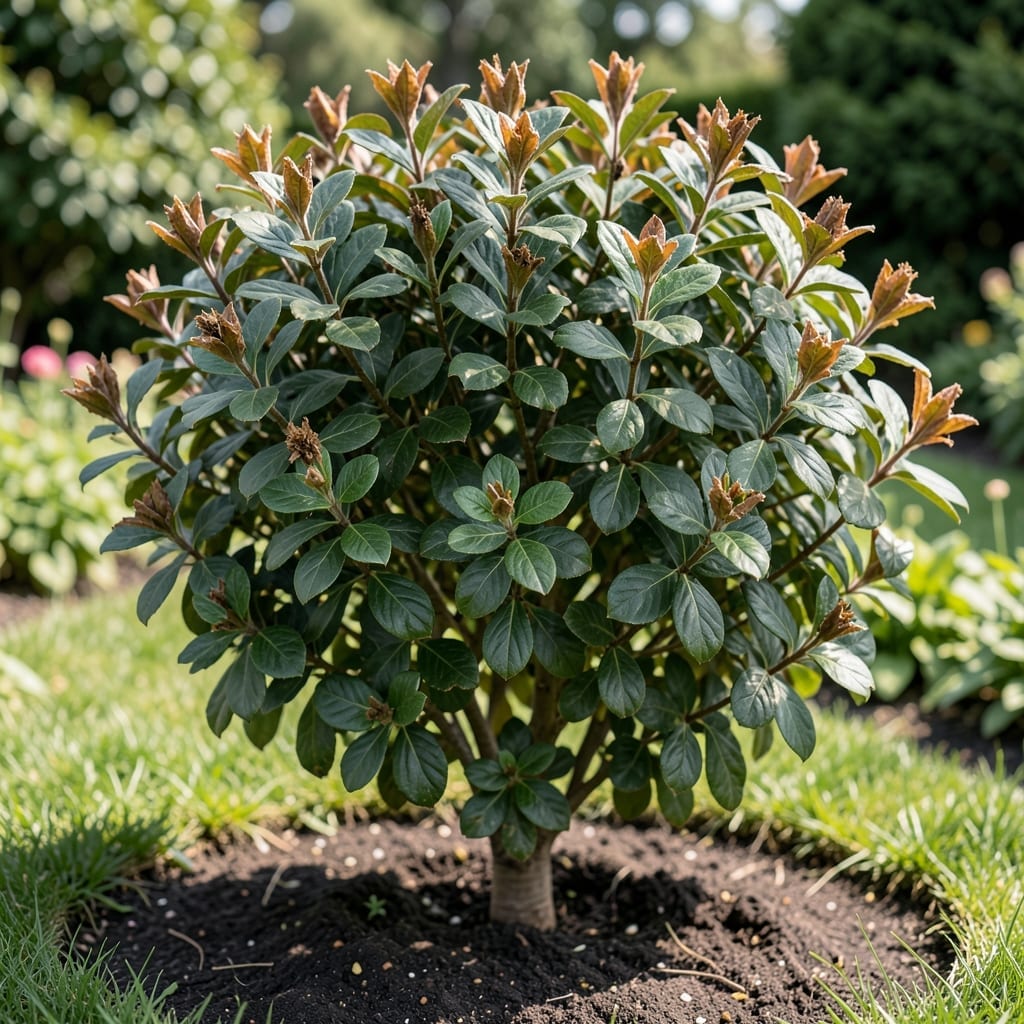
Those brown tips on your viburnum aren’t just ugly—they’re a cry for help. I’ve seen this happen to my own shrubs after a hot, dry spell, and the fix is simpler than you’d think.
Usually it’s drought stress or salt burn from winter de-icing. Sometimes it’s too much sun on leaves that prefer partial shade. The plant’s telling you its environment needs adjustment, not that it’s doomed.
Once I started watering deeply once a week and mulching to lock in moisture, the new growth came in healthy and green. No fancy treatments needed.
Watch for patterns—brown tips on one side might mean sun scorch, while all-over browning suggests a root issue. Here’s how to diagnose and turn it around.
Brown tips on viburnum shrubs often signal underlying stress or environmental imbalances. Here are the most common causes, explained simply and scientifically:
Viburnums require consistent moisture, especially during dry spells. When soil dries out, the plant’s root system struggles to absorb water and nutrients, leading to tip burn. This is often worsened by shallow watering, which encourages weak root growth near the surface. Deep, infrequent watering (1–2 inches per week) helps prevent this.
Excess salts from fertilizers, de-icing agents, or hard water can accumulate in the soil, causing osmotic stress. Roots absorb water poorly, and leaf tips turn brown as cells die from dehydration. Flushing the soil with water or using a gypsum amendment can help leach out salts.
While viburnums tolerate partial sun, intense afternoon heat—especially in dry climates—can scorch leaf tips. This is a form of photooxidative damage, where excess sunlight overwhelms the plant’s ability to process energy. Mulching and providing dappled shade during peak hours can mitigate this.
Viburnums prefer slightly acidic to neutral soil (pH 6.0–7.0). If the pH is too high (alkaline), essential nutrients like iron or manganese become unavailable, leading to interveinal chlorosis and brown tips. A soil test can confirm deficiencies, and amendments like sulfur or chelated iron may be needed.
Though less common, pests like spider mites or fungal infections (e.g., leaf spot) can stress the plant, causing tip browning. Inspect leaves for webbing, spots, or unusual patterns. Treat with neem oil or fungicides if confirmed.
Addressing these root causes promptly restores viburnum health and prevents further damage.
Here’s how to tackle brown tips on your viburnum, organized by cause and solution:
If the soil is bone-dry or soggy, your viburnum is likely stressed. Check the top 2 inches of soil—if dry, water deeply until moisture reaches the roots. If waterlogged, improve drainage by amending the soil with compost or sand. Prevention tip: 💡 Water early in the morning to reduce evaporation, and use mulch to retain moisture.
Too much direct sun can scorch the tips, while too little light weakens the plant. Move potted viburnums to a spot with dappled shade or morning sun. For in-ground plants, use shade cloth during peak afternoon hours. Prevention tip: ✨ Gradually acclimate plants to new light conditions to avoid shock.
Excess fertilizer or de-icing salts can cause tip burn. Flush the soil with water to leach out salts, or repot the plant in fresh soil. Avoid over-fertilizing—stick to a balanced, slow-release formula. Prevention tip: 🌡️ Test your soil annually to monitor salt and pH levels.
Dry air, especially indoors, can brown the tips. Mist the leaves regularly or place a tray of water near the plant to increase humidity. Grouping plants together also helps. Prevention tip: 🎯 Use a humidifier for consistent moisture, especially in winter.
Spider mites or aphids can stress the plant, leading to brown tips. Spray with neem oil or insecticidal soap, focusing on the undersides of leaves. Repeat weekly until pests are gone. Prevention tip: 🔥 Inspect plants regularly and isolate new additions to prevent outbreaks.
Water deeply once a week, providing about 1-2 inches of moisture. Always check the top 2 inches of soil first—if dry, it’s time to water.
Yes, excess fertilizer leads to salt buildup, which burns the roots and turns tips brown. Use a balanced formula and flush the soil periodically.
Pruning won’t fix the underlying cause but removes damaged foliage. Focus on correcting water, light, or soil issues first. Always use clean, sharp tools.
Rarely. Brown tips usually indicate environmental stress. However, if you see spots or unusual patterns, check for pests or fungal issues.