
Beautiful Plants For Your Interior
Beautiful Plants For Your Interior
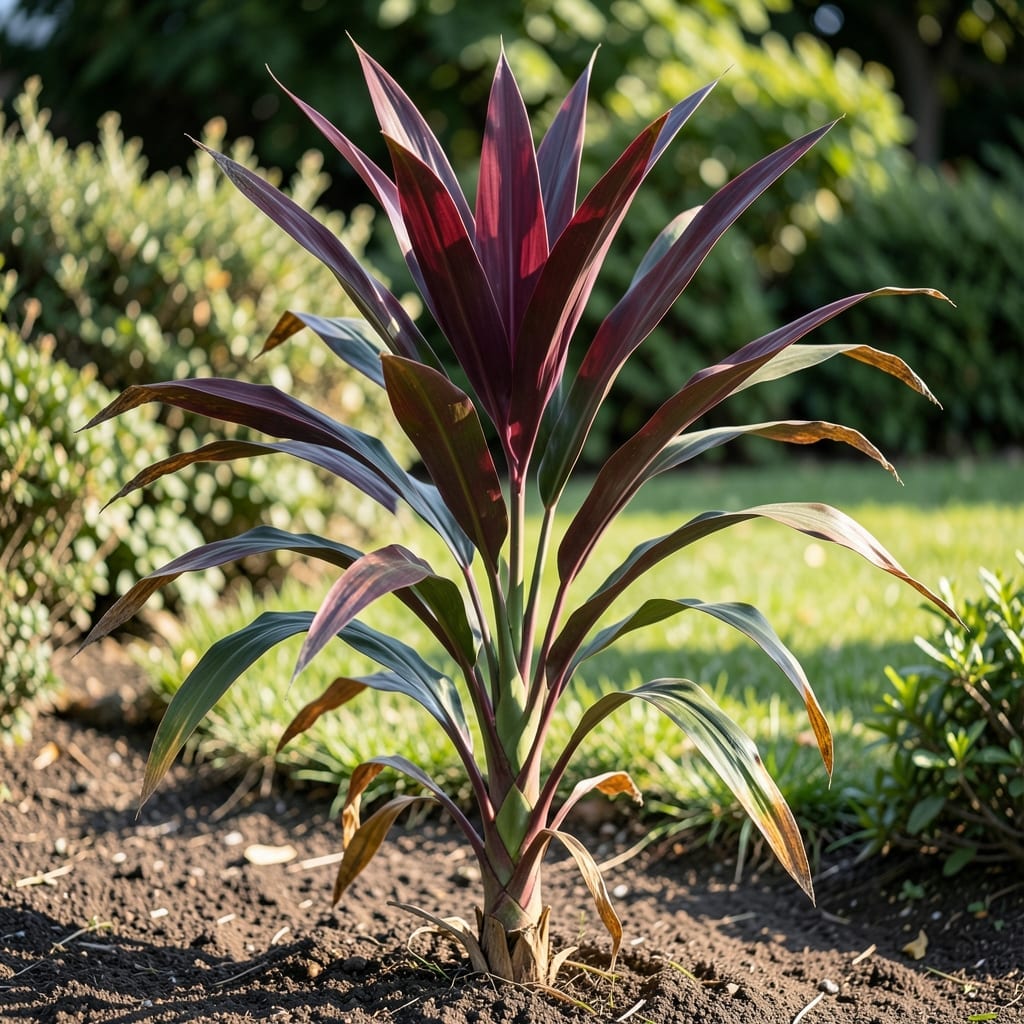
Brown tips on cordyline ruin that tropical vibe fast. I’ve nursed more than a few back to health after watching their once-lush leaves crisp at the edges.
Usually it’s a watering issue—either too much or too little. Sometimes it’s dry air, salt buildup, or even a nutrient imbalance. The good news is most fixes take under 10 minutes once you spot the real problem.
With the right tweaks, you’ll see new growth push out vibrant green instead of sad brown. The plant bounces back faster than you’d expect.
Works for potted cordylines indoors or out. Here’s how to diagnose and repair the damage for good.
Brown tips on Cordyline are a distress signal, often tied to environmental or care imbalances. Below are the most common causes, explained with actionable insights.
Cordyline thrives in consistently moist but well-draining soil. Underwatering leads to dry, crispy tips as the plant conserves moisture. Conversely, overwatering suffocates roots, reducing their ability to absorb nutrients, which manifests as browning. Check soil moisture 1-2 inches deep—water only when dry.
These tropical natives prefer 60–80°F (15–27°C) and 40–60% humidity. Exposure to cold drafts (below 50°F/10°C) or dry indoor air (common in winter) causes tip burn. Low humidity accelerates moisture loss from leaves, while sudden temperature drops disrupt cellular function.
While Cordyline loves bright light, direct, harsh sunlight (especially afternoon rays) can scorch leaf tips. This is due to photooxidative stress, where UV radiation damages chlorophyll. Filtered light or morning sun is ideal.
Tap water high in chlorine, fluoride, or salts accumulates in soil, leading to toxic buildup. This interferes with root uptake, causing marginal necrosis (brown tips). Flush soil monthly with distilled water to leach out excess minerals.
A lack of potassium or magnesium often shows as browning edges, as these nutrients regulate water movement and photosynthesis. Conversely, overfertilizing (especially with high-nitrogen blends) can burn roots, mimicking drought stress. Use a balanced, diluted fertilizer (10-10-10) every 4–6 weeks in growing season.
Transform your cordyline’s health with these targeted solutions for each common cause of brown tips. Follow these steps to revive your plant and keep it thriving!
If dry soil is the culprit, give your cordyline a deep watering until water drains from the bottom. Water when the top 1-2 inches of soil feel dry. Prevention tip: 💡 Mulch around the base to retain moisture, and water consistently—especially in hot weather.
Soggy roots lead to brown tips. Let the soil dry slightly between waterings, and ensure the pot has drainage holes. Repot in fresh, well-draining soil if root rot is suspected. Prevention tip: 🌡️ Use a moisture meter to avoid guesswork.
Move your cordyline to a spot with bright, indirect light or partial shade, especially during peak afternoon sun. Prevention tip: ✨ Acclimate the plant gradually if transitioning to a sunnier location.
Mist the leaves regularly or place a pebble tray with water beneath the pot. Grouping plants together can also raise humidity levels. Prevention tip: 🎯 Use a humidifier for consistent moisture, especially indoors.
Rinse the soil thoroughly with distilled or rainwater to remove excess salts or fluoride from tap water. Repeat every few months. Prevention tip: 💧 Use filtered water for watering to avoid future buildup.
Apply a balanced, slow-release fertilizer in spring and summer, following package instructions. Avoid over-fertilizing, which can cause tip burn. Prevention tip: 🌿 Test your soil annually to monitor nutrient levels.
No, the brown parts won’t recover, but the rest of the leaf can stay healthy. Trim the damaged tips with clean scissors to improve appearance and help the plant focus energy on new growth.
Water when the top 1-2 inches of soil feel dry. This is usually every 7-10 days in warm weather, less often in cooler months. Always use well-draining soil to prevent soggy roots.
Misting helps temporarily but isn’t a long-term fix. For best results, use a pebble tray or humidifier to maintain 40-60% humidity around your plant. Grouping plants together also boosts moisture levels.