
Beautiful Plants For Your Interior
Beautiful Plants For Your Interior
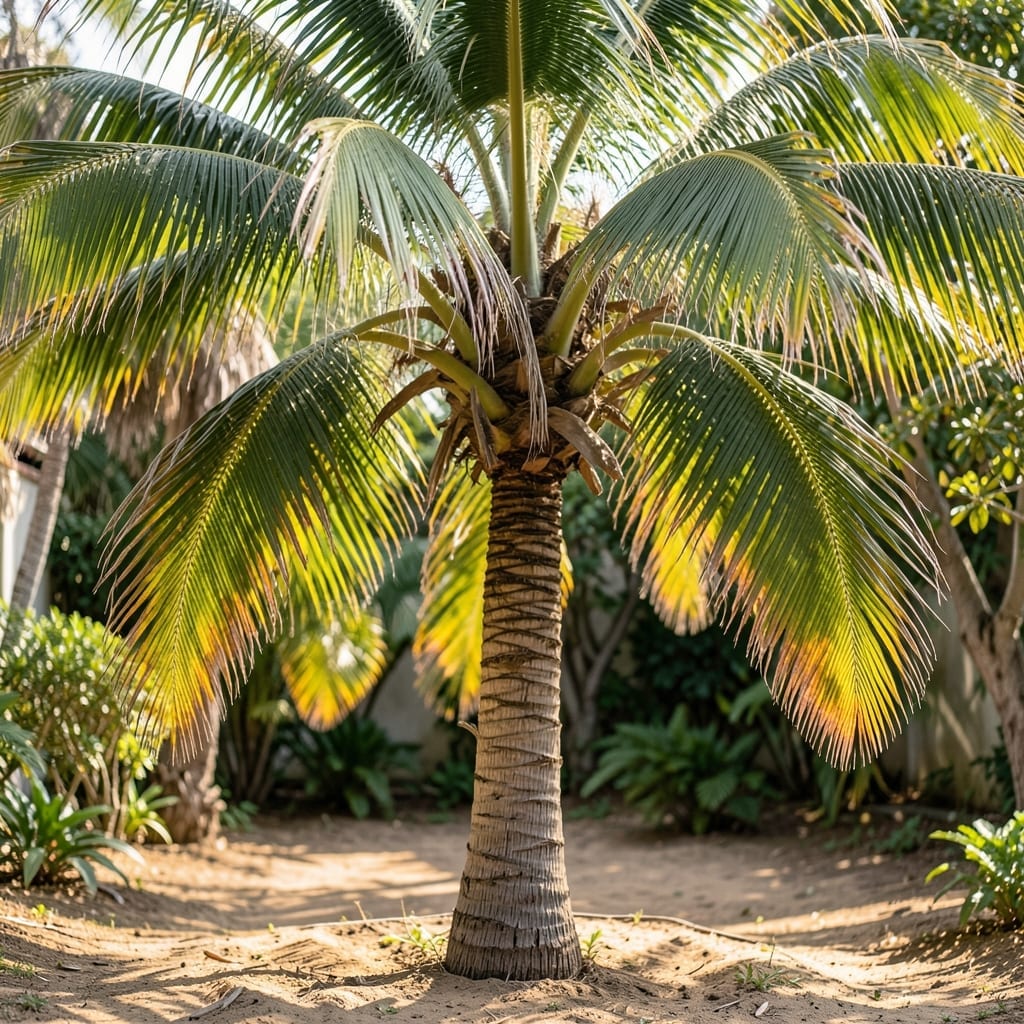
Those crispy brown tips on your coconut palm aren’t just ugly—they’re a distress signal. I’ve seen this problem wipe out entire groves when ignored, but the fix is often simpler than you’d think.
Most cases trace back to 3 common culprits: inconsistent watering, nutrient shortages, or salt buildup in the soil. The good news? Your palm can rebound fast once you pinpoint the issue and adjust your care routine.
With the right approach, you’ll notice new fronds emerging vibrant green within weeks. The brown tips won’t regrow, but fresh healthy growth will soon hide the damage.
This works for backyard palms, container specimens, and even indoor coconut plants. Let’s diagnose and treat it properly.
Brown tips on coconut palms are often a sign of underlying stress or deficiency. Below are the most common causes, each with a clear explanation to help you diagnose and address the issue.
Coconut palms thrive in consistently moist but well-drained soil. Underwatering leads to dried, crispy tips as the plant struggles to absorb nutrients. Conversely, overwatering suffocates the roots, reducing oxygen uptake and causing tip burn. Aim for deep, infrequent watering—about 1–2 inches per week, adjusted for rainfall.
A lack of essential nutrients, particularly potassium (K), magnesium (Mg), or manganese (Mn), often triggers browning. Potassium deficiency starts at the oldest fronds’ tips, while magnesium shortage causes yellowing between veins before browning. Test your soil and apply a balanced palm fertilizer (e.g., 8-2-12 + micronutrients).
Extreme temperatures, frost, or salt spray (in coastal areas) can scorch frond tips. Coconut palms prefer tropical climates (70–100°F). If exposed to cold, protect with frost cloth. For salt damage, rinse foliage with fresh water and improve soil drainage.
Mechanical injury (e.g., from trimming tools) or pests like spider mites and mealybugs can weaken fronds, leading to browning. Inspect leaves for webbing, spots, or chewed edges. Treat infestations with neem oil or insecticidal soap, and sterilize tools before pruning.
Restoring your coconut palm’s lush green fronds starts with targeting the root cause. Below are practical fixes for each common issue, paired with prevention tips to keep your plant thriving.
If dry soil is the culprit, deep-water your palm slowly until moisture reaches 12–18 inches down. Do this 2–3 times a week in hot climates, less in cooler weather. Prevention tip: Mulch the base with organic matter to retain moisture and reduce evaporation.
Soggy roots need rescue fast. Stop watering immediately and let the soil dry out. If the palm is in a pot, ensure it has drainage holes. For in-ground palms, amend the soil with sand or perlite to boost drainage. Prevention tip: Use a moisture meter to avoid guesswork—water only when the top 2–3 inches of soil are dry.
A lack of potassium, magnesium, or nitrogen often shows up as brown tips. Apply a balanced palm fertilizer (look for an 8-2-12 or 12-4-12 NPK ratio) every 2–3 months during the growing season. Prevention tip: Test your soil annually to tailor your fertilizing routine to its specific needs.
Excess salts from tap water or coastal spray can build up in the soil. Leach the soil by running water through it for 10–15 minutes to flush out salts. Use distilled or rainwater for irrigation if possible. Prevention tip: If you’re near the coast, rinse the fronds with fresh water after salty wind exposure.
Check the undersides of fronds for spider mites, mealybugs, or scale. Spray with neem oil or insecticidal soap every 7–10 days until pests are gone. Prevention tip: Regularly wipe fronds with a damp cloth to deter pests and keep the palm clean.
Pro tip: 🌿 Always trim only the brown tips with clean, sharp shears—never remove entire fronds unless they’re completely dead. This keeps the palm looking tidy while allowing it to recover.
Yes, it’s one of the most common causes. When the soil stays dry, the palm can’t absorb enough nutrients, leading to crispy, brown edges. Aim for 1–2 inches of water weekly, adjusted for climate.
Look for patterns. Potassium shortage starts at the tips of older fronds, while magnesium causes yellowing between veins first. A soil test confirms the issue. Use a balanced palm fertilizer for best results.
Trim only the brown parts with clean shears, leaving the green tissue intact. Never remove entire fronds unless they’re dead—this helps the palm recover faster while staying tidy.
Coconut palms prefer 70–100°F and can develop brown tips from frost or chilling winds. Protect them with frost cloth if temperatures drop.