
Beautiful Plants For Your Interior
Beautiful Plants For Your Interior
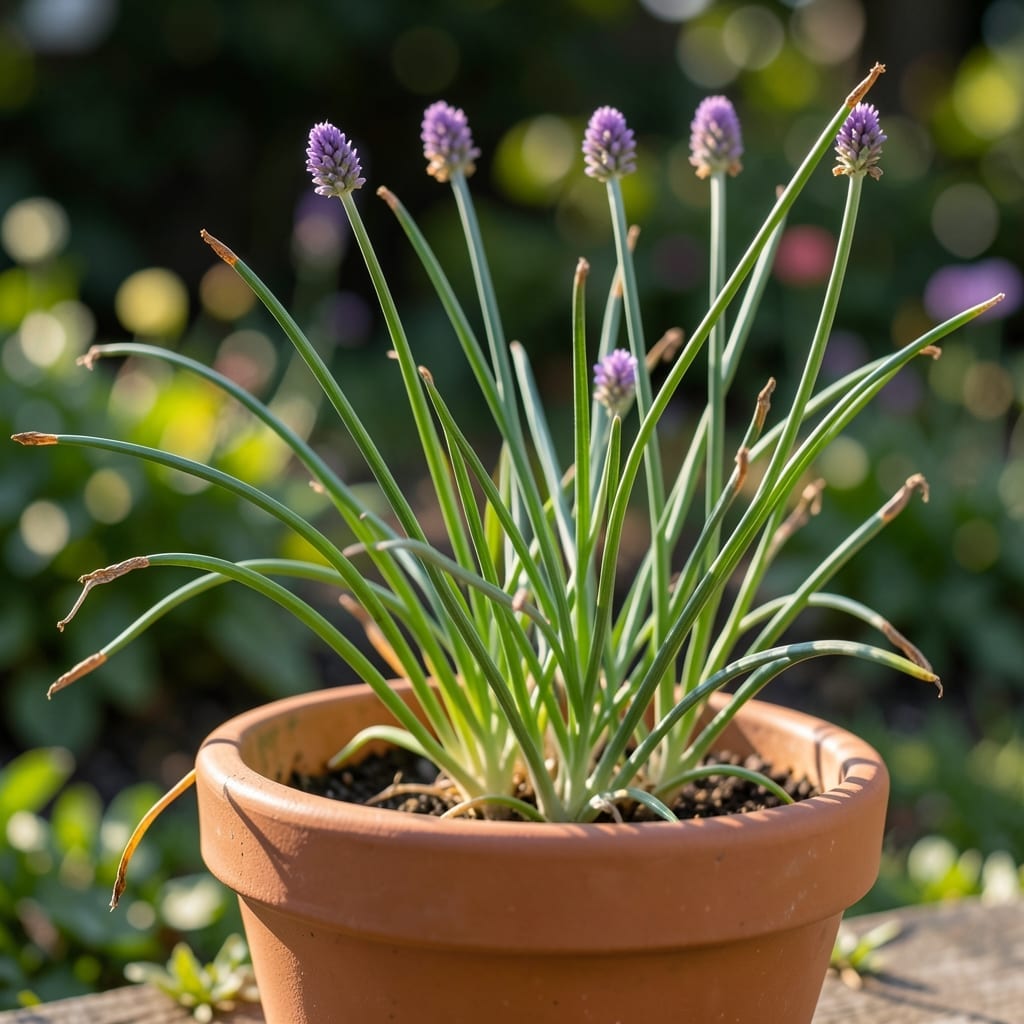
Those crisp, green chive tips turning brown ruin the look of any herb garden. I’ve rescued countless chives from this fate with a few simple fixes.
Usually, it’s dry soil, too much sun, or a nutrient imbalance causing the issue. The good news? Chives bounce back fast with consistent moisture and a little shade during peak heat.
You’ll see fresh green growth within 1-2 weeks once conditions improve. A light trim of the brown tips helps the plant focus energy on healthy new shoots.
Works for potted chives on windowsills or garden beds alike. Here’s how to keep them thriving.
Brown tips on chives often signal stress or environmental imbalance. Below are the most common causes, explained with actionable insights.
Chives thrive in consistently moist but well-drained soil. Brown tips can appear if the soil is too dry (causing dehydration) or waterlogged (suffocating roots and promoting rot). Check soil moisture by inserting a finger 1 inch deep—water if dry, hold off if soggy.
Over-fertilizing, especially with synthetic products, leads to salt accumulation in the soil. This draws moisture away from the roots, causing tip burn. Use a balanced, organic fertilizer (like compost tea) and follow package instructions carefully.
Chives prefer full sun to partial shade. Too much direct, intense sunlight (especially in hot climates) can scorch the tips, while insufficient light weakens the plant, making it susceptible to browning. Aim for 4–6 hours of morning sun and provide afternoon shade in extreme heat.
Stagnant air traps humidity around the foliage, encouraging fungal diseases like Botrytis or rust, which manifest as brown tips. Space plants 8–12 inches apart and prune nearby weeds to improve airflow.
Chives are hardy but dislike sudden frost or prolonged heatwaves. Frostbite causes cellular damage, turning tips brown, while heat stress accelerates moisture loss. Use mulch to insulate roots in winter and shade cloth during summer peaks.
Brown tips on chives are often a sign of stress, but the good news is that most causes are easy to fix. Below are targeted solutions for the most common issues, along with prevention tips to keep your chives thriving. 🌱
If dry soil is the culprit, give your chives a deep watering to rehydrate the roots. Water at the base (not the leaves) until the soil is moist 1–2 inches down. Prevention tip: Check soil moisture weekly—chives prefer consistently moist (but not soggy) soil. A layer of mulch can help retain moisture.
Trim off brown tips with clean scissors, then let the soil dry out slightly between waterings. If the pot lacks drainage, repot your chives in a container with holes and use well-draining potting mix. Prevention tip: Stick your finger in the soil—if it feels waterlogged, hold off on watering.
Move potted chives to a spot with bright, indirect light or provide afternoon shade. For garden beds, use shade cloth during peak sun hours. Prevention tip: Chives thrive in 4–6 hours of sunlight daily—observe and adjust as needed.
Rinse the soil thoroughly with water to leach out excess salts or fertilizers. Avoid over-fertilizing; chives are light feeders. Prevention tip: Use a balanced, organic fertilizer sparingly, and always follow package instructions.
Apply a diluted, nitrogen-rich fertilizer (like fish emulsion) to encourage green growth. Yellowing tips often signal a lack of nutrients. Prevention tip: Top-dress with compost every few weeks for a slow-release nutrient boost.
Pro tip: Regularly trim brown tips to redirect energy to healthy growth and prevent further spread. ✨
Only if the cause isn’t addressed. Trim affected areas immediately with clean scissors to prevent further damage. The plant will focus energy on healthy growth once conditions improve.
Check soil weekly and water when the top 1 inch feels dry. Chives prefer consistent moisture but hate soggy soil. A mulch layer helps retain water.
Yes! Removing brown tips redirects energy to healthy growth. Use sharp, clean scissors and cut just above a leaf node. New green shoots typically appear within 1-2 weeks.
Rarely. Brown tips are usually environmental, but fungal issues can occur with poor airflow. Space plants 8-12 inches apart and avoid wetting leaves when watering.