
Beautiful Plants For Your Interior
Beautiful Plants For Your Interior
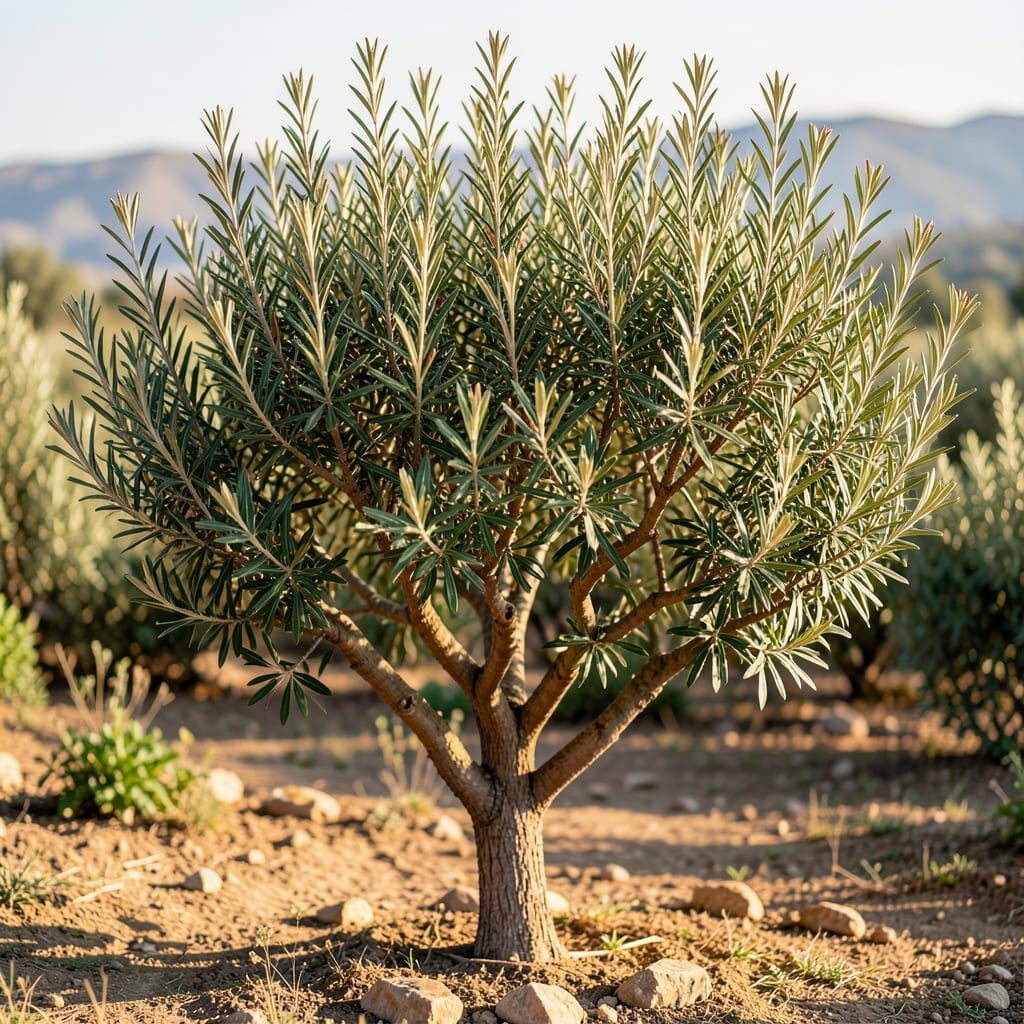
Those brown tips on your almond tree leaves aren’t just unsightly—they’re a cry for help. I’ve seen this exact pattern on my own trees, and it always signals one of a few underlying issues that need immediate attention.
The usual suspects? Water stress, nutrient imbalances, or environmental factors. Each leaves its own fingerprint on the foliage, and learning to read these signs means you can fix the problem before it spreads to the entire tree.
With the right organic approaches, you can nurse your almond tree back to health. The key is acting fast and addressing the root cause, not just the symptoms. Your tree will bounce back with vibrant green leaves in 2-4 weeks.
Works for young saplings and mature trees alike. Here’s how to diagnose and treat it properly.
Brown tips on almond tree leaves are often a sign of stress or imbalance. Below are the most common causes, explained with actionable insights.
Both underwatering and overwatering can lead to brown leaf tips. Almond trees need consistent moisture, especially during fruit development. Underwatering causes the leaf margins to dry out, while overwatering suffocates roots, reducing nutrient uptake. Check soil moisture 2 inches deep—it should feel slightly damp, not soggy or bone-dry.
A lack of potassium, magnesium, or calcium often manifests as browning leaf tips. Potassium deficiency, for example, starts at the edges and moves inward. Conduct a soil test to confirm deficiencies. Organic amendments like compost, kelp meal, or egg shells can restore balance naturally.
Excess salts in soil—from irrigation water or synthetic fertilizers—draw moisture out of roots, leading to tip burn. This is common in arid regions with poor drainage. Flush the soil with fresh water to leach out salts, and switch to low-sodium organic fertilizers.
Pathogens like Verticillium or Phytophthora can cause browning, often paired with wilting or cankers. These thrive in wet, poorly drained soil. Improve airflow around the tree, avoid overhead watering, and apply neem oil or copper-based fungicides as a preventive measure.
Extreme heat, frost, or sudden temperature swings can scorch leaf tips. Almond trees prefer moderate climates (60–85°F). Use shade cloth during heatwaves and mulch to insulate roots. Frost damage appears as blackened tips—protect young trees with frost blankets in cold snaps.
Addressing brown tips on almond tree leaves starts with identifying the root cause and applying targeted fixes. Here’s how to revive your tree organically:
Fix: Adjust your watering routine. If the soil is dry, deep water the tree slowly (1–2 inches per week) to encourage deep root growth. For waterlogged soil, improve drainage by amending with compost or sand. Use a moisture meter to monitor soil conditions.
Prevention: Mulch around the base (3–4 inches deep) to retain moisture and regulate temperature. Avoid overhead watering to prevent fungal issues. 💡
Fix: Test your soil (pH should be 6.0–7.5). For magnesium or potassium shortages, apply Epsom salt (1 tbsp/gallon of water) or organic potassium sulfate. For general nutrient boosts, use a balanced organic fertilizer (10-10-10).
Prevention: Feed your tree with compost or worm castings annually in early spring. Avoid over-fertilizing, which can burn roots. ✨
Fix: Inspect leaves for pests like mites or aphids. Spray with neem oil (1 tbsp/gallon of water + 1 tsp dish soap) every 7–10 days. For fungal issues (e.g., leaf scorch), apply copper fungicide or a baking soda spray (1 tbsp baking soda + 1 gallon water + 1 tsp soap).
Prevention: Prune affected branches to improve airflow. Keep the area clean of fallen leaves and debris. 🎯
Fix: Shield young trees from extreme heat or frost with shade cloth or frost blankets. If salt burn is suspected (common in dry climates), flush the soil with fresh water to leach out excess salts.
Prevention: Plant almond trees in well-draining, slightly elevated spots. Use windbreaks if your area is prone to strong gusts. 🌡️
With proper care, new growth should appear within 2-3 weeks. Existing brown tips won’t turn green again, but fresh healthy leaves will emerge. Consistency in watering and nutrient balance speeds up recovery.
Yes, excess fertilizer creates salt buildup that burns roots and leaf edges. Always follow package instructions and use organic options when possible. Flush soil with water if you suspect fertilizer burn.
Remove only severely damaged leaves to improve appearance and airflow. Avoid heavy pruning during active growth periods. Use clean, sharp tools to prevent spreading disease.