
Beautiful Plants For Your Interior
Beautiful Plants For Your Interior
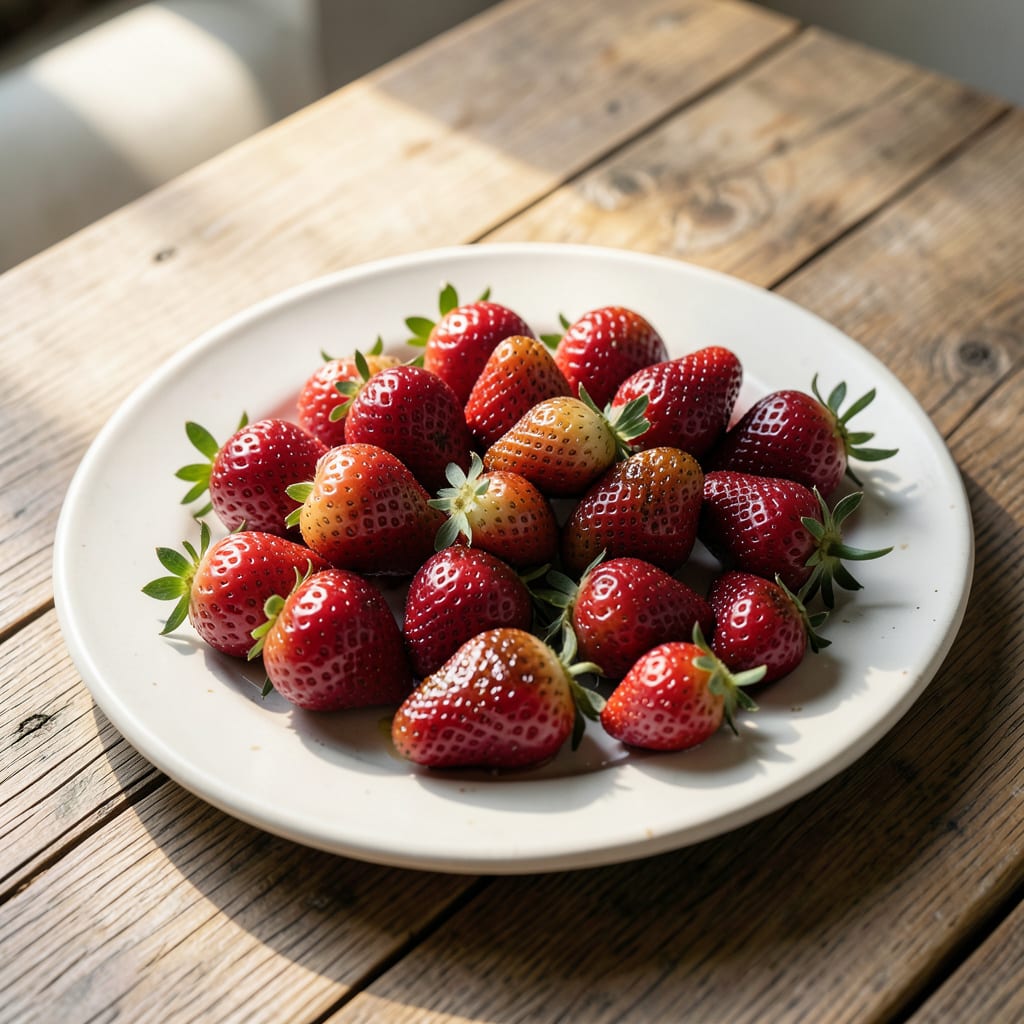
Nothing ruins a strawberry harvest faster than seeing brown spots spread across your fruit. I’ve lost entire patches to this before learning how to catch it early.
The culprits are usually fungal infections, hungry pests, or environmental stress. Each leaves a distinct mark, and identifying which one you’re dealing with is half the battle.
With the right organic fixes, you can stop the damage and protect future harvests. I’ve tested these methods myself—no harsh chemicals, just smart, natural solutions.
Early action saves your plants and keeps your berries looking as good as they taste. Here’s what to do before it’s too late.
Brown spots on strawberries can be frustrating, but understanding the underlying causes helps you prevent and address them effectively. Here’s a breakdown of the most common culprits:
Fungi like Botrytis cinerea (gray mold) and Colletotrichum species thrive in damp, poorly ventilated conditions. These pathogens infect strawberries through wounds or natural openings, leading to brown, water-soaked spots that may later develop fuzzy growth. Warm, humid weather accelerates their spread.
Extreme weather—such as excessive rain, heatwaves, or frost—can damage strawberry tissues, causing brown lesions. Overwatering or inconsistent moisture levels also stress plants, making them more susceptible to disease and physical blemishes.
Insects like slugs, snails, and sap-sucking pests (e.g., spider mites or aphids) pierce the fruit’s skin, creating entry points for secondary infections. Their feeding often leaves behind small, discolored spots that expand into larger brown patches.
A lack of essential nutrients, particularly calcium or potassium, can weaken strawberry plants. Calcium deficiency often causes blossom end rot-like symptoms, while potassium shortages may lead to uneven ripening and brown spotting on the fruit’s surface.
Overuse of pesticides, herbicides, or even rough handling during harvest can burn or bruise the fruit. These injuries manifest as localized brown spots, often with a sunken or leathery texture.
Identifying the root cause is the first step toward healthier strawberries!
Tackling brown spots on strawberries starts with identifying the cause. Here’s a practical guide to solutions, paired with prevention tips to keep your berries healthy and spot-free.
If the culprit is Botrytis or Anthracnose, act fast. Remove infected berries and surrounding foliage to stop the spread. Apply an organic fungicide like copper soap or neem oil to the plants, following package instructions. Prevention tip: 💡 Improve airflow by spacing plants 12–18 inches apart and water at the base to keep leaves dry.
For pests like sap beetles or slugs, set up beer traps (for slugs) or use diatomaceous earth around the base of plants. Handpick visible pests in the evening when they’re most active. Prevention tip: ✨ Mulch with straw to deter soil-dwelling pests and rotate crops yearly to disrupt their lifecycle.
Brown spots from sun scald or frost damage? Shield plants with shade cloth during peak sun or use row covers for late frosts. Ensure consistent watering—drip irrigation works best—to avoid moisture extremes. Prevention tip: 🌡️ Plant in well-draining soil and choose disease-resistant varieties like ‘Albion’ or ‘Seascape.’
A lack of calcium or potassium can cause spotting. Amend soil with crushed eggshells (for calcium) or wood ash (for potassium). Test soil pH—strawberries thrive in slightly acidic soil (5.5–6.5). Prevention tip: 🎯 Top-dress with compost annually to maintain nutrient balance.
With these targeted fixes and proactive habits, your strawberry patch can bounce back—and stay vibrant!
Not always. While fungal infections often cause brown spots, environmental stress like sunburn or frost can too. Check for patterns—disease spots often spread, while stress marks stay localized.
Yes, if the spots are small and the fruit is firm. Cut off the affected area and wash the rest. Avoid berries with soft or fuzzy spots, as these indicate mold.
Start with resistant varieties like ‘Albion’ or ‘Seascape’. Space plants 12–18 inches apart for airflow and use drip irrigation to keep foliage dry.
They can slow the spread but won’t reverse damage. Remove infected berries first, then apply neem oil or copper soap to protect healthy fruit.
