
Beautiful Plants For Your Interior
Beautiful Plants For Your Interior
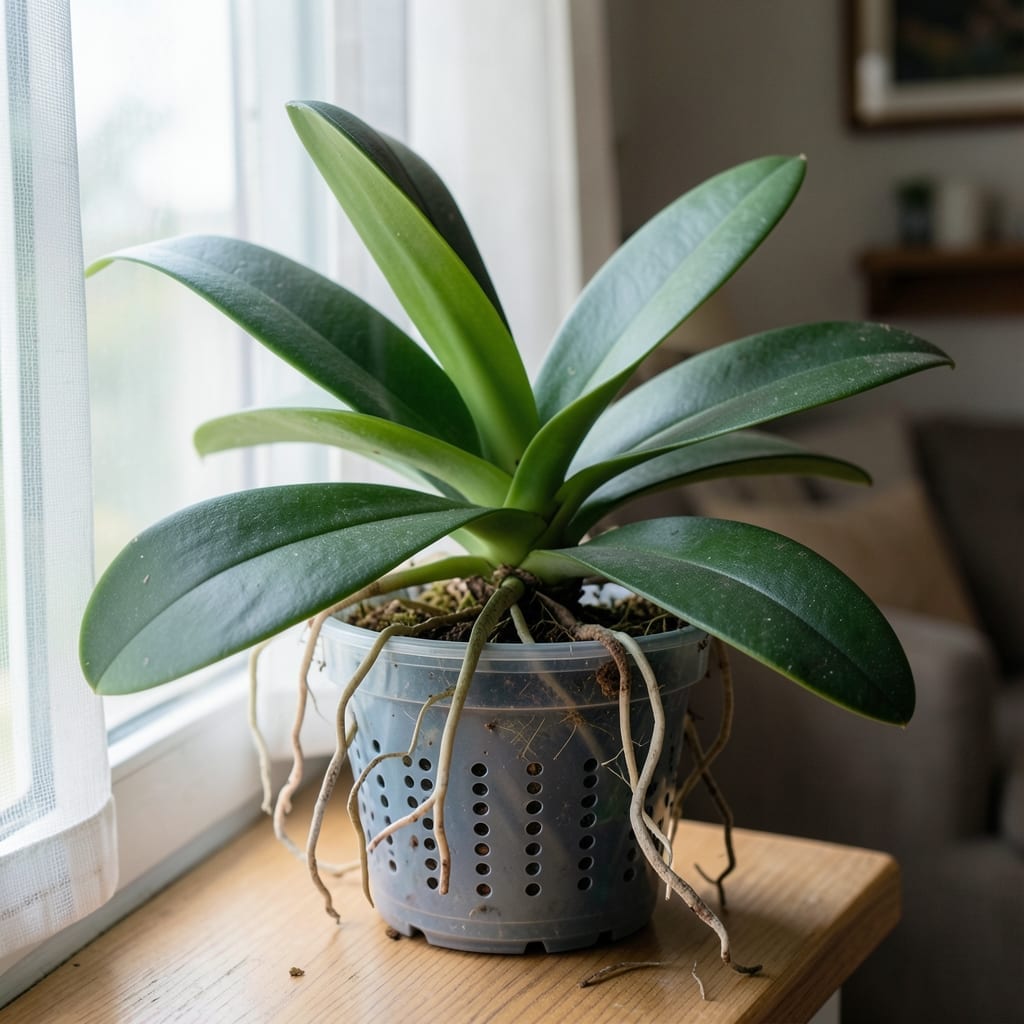
Brown spots on orchid roots signal trouble, but it’s fixable. I’ve nursed countless plants back from the brink, and the key is catching it early.
Overwatering is the usual culprit, but fungal infections or poor drainage can also cause those ugly brown patches. The good news? With the right steps, your orchid can regrow healthy roots in weeks.
You’ll learn to spot the difference between rot and infection, then treat it with simple supplies you likely have at home. No fancy tools required.
By spring, your plant could be pushing out new, firm green roots and blooming like nothing happened. Let’s save your orchid.
Brown spots on orchid roots are often a sign of underlying issues. Here’s why they appear:
Excess moisture suffocates roots, leading to root rot. Fungi and bacteria thrive in soggy conditions, breaking down healthy tissue and causing discoloration. Orchids need airflow—without it, roots can’t absorb nutrients, turning brown or black.
Mineral deposits from hard water (calcium, magnesium) or fertilizer salts accumulate on roots, forming brown crusts. Over time, this blocks water uptake, stressing the plant and causing localized browning.
Pathogens like Phytophthora or Fusarium attack weakened roots, creating dark, sunken spots. These often spread rapidly in high humidity or crowded growing conditions.
Rough handling or direct sunlight can scorch delicate root tissues, leaving brown or dried patches. Even minor abrasions invite infections, worsening the discoloration.
Excessive or improper fertilizers (especially high nitrogen) can burn roots, while deficiencies weaken them, making them prone to browning. Always flush the medium between feedings.
When you spot brown areas on your orchid’s roots, act fast. Below are targeted fixes for each common cause, plus prevention tips to keep your plant thriving.
Stop watering immediately and let the roots dry out. Remove the orchid from its pot, trim any mushy, dark roots with sterilized scissors, and repot in fresh, well-draining bark-based mix. Use a pot with drainage holes to prevent future soggy conditions.
Prevention: Water only when the top inch of mix feels dry. Stick to a soak-and-dry method—dunk the pot in water for 10 minutes, then let it drain completely.
Isolate the orchid to prevent spreading. Prune infected roots with sterilized tools and discard the trimmings. Soak the remaining roots in a 1:10 hydrogen peroxide-to-water solution for 10 minutes to disinfect. Repot in fresh medium and avoid overhead watering.
Prevention: Improve air circulation around your plants and avoid wetting the leaves. Use a copper-based fungicide as a monthly preventive spray.
Over-fertilizing can scorch roots, causing brown spots. Flush the potting mix with room-temperature water for 5–10 minutes to leach out excess salts. Resume fertilizing at half-strength and only during active growth (spring/summer).
Prevention: Fertilize weakly, weekly. Use a balanced 20-20-20 orchid fertilizer and always water before fertilizing to protect roots.
Move your orchid away from cold drafts or direct heat sources. Ideal temps are 65–80°F (18–27°C) during the day, with a 10°F drop at night. If roots were frostbitten, trim the damaged areas and monitor for regrowth.
Prevention: Keep orchids in a stable indoor environment. Avoid placing them near air conditioners, heaters, or windows with extreme temperature swings.
Healthy roots can’t turn green again, but the plant can grow new ones. Trim the damaged areas and provide proper care to encourage fresh, firm white or green roots within weeks.
Use bark-based potting mix and water only when the top inch is dry. Ensure your pot has drainage holes and avoid letting the orchid sit in water.
Yes, a 1:10 water-to-peroxide ratio is safe and effective. Soak roots for 10 minutes, then rinse and repot in fresh medium.
Rot causes mushy, foul-smelling roots, while infections create dark, sunken spots. Rot is usually from overwatering, while infections spread quickly in humid conditions.