
Beautiful Plants For Your Interior
Beautiful Plants For Your Interior
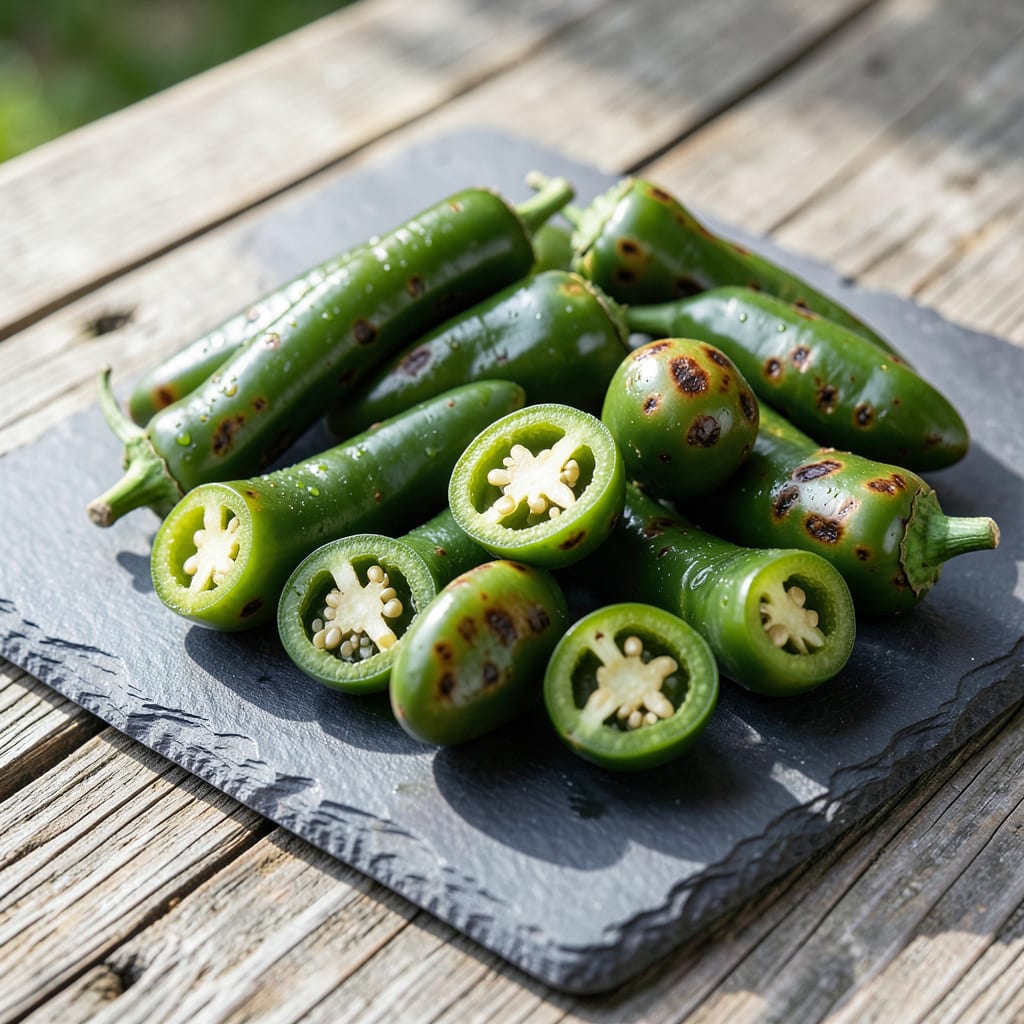
Brown spots on your jalapeños don’t mean the end of the season. I’ve saved more peppers than I’ve lost by catching the problem early and acting fast.
Most times it’s not disease—it’s stress from too much water, not enough, or a sudden temperature swing. Sometimes it’s pests leaving their mark. The good news? Organic fixes work just as well as anything you’d buy in a bottle.
You’ll see improvement within a week of adjusting care. Consistency is the real secret: steady watering, good air flow, and a watchful eye for early signs.
Works for container plants, garden beds, and even indoor setups. Here’s how to diagnose and fix it.
Brown spots on jalapeño peppers can stem from several underlying issues, each with distinct triggers. Below are the most common causes, explained with actionable insights.
Fungi like Alternaria or Cercospora thrive in warm, humid conditions, leading to circular, sunken brown spots. These pathogens spread via water splashes or contaminated tools. Overhead watering and poor air circulation exacerbate the problem.
Pests such as spider mites, aphids, or stink bugs pierce pepper tissues, causing localized browning. Their feeding disrupts cell integrity, often leaving behind stippled or irregular brown patches. Inspect the undersides of leaves for tiny invaders.
Inconsistent watering—either drought or overwatering—can cause brown spots. Underwatering leads to dry, crispy patches, while overwatering suffocates roots, reducing nutrient uptake and triggering leaf necrosis. Aim for consistent soil moisture (1–2 inches of water weekly).
Extreme heat (above 90°F) or cold snaps can scorch or chill pepper tissues, resulting in brown, papery spots. Sunburn from intense UV exposure may also create bleached or dark patches on fruit-facing sides. Use shade cloth during heatwaves.
Calcium or magnesium shortages often manifest as brown, necrotic spots. Calcium deficiency causes blossom end rot-like symptoms on peppers, while magnesium deficiency leads to interveinal browning. Test soil and amend with lime (calcium) or Epsom salt (magnesium) as needed.
Brown spots on your jalapeño peppers can be frustrating, but the good news is that most causes are treatable with simple, organic solutions. Below are targeted fixes for the most common issues, along with prevention tips to keep your plants healthy.
Fix: Remove affected leaves or peppers immediately to prevent spreading. Spray the plant with a copper-based fungicide or a homemade mix of 1 tsp baking soda + 1 quart water + a few drops of dish soap. Apply weekly until the issue resolves.
Prevention: Improve air circulation by pruning dense foliage. Water at the base of the plant (not overhead) to keep leaves dry. Use drip irrigation if possible.
Fix: For aphids or spider mites, spray plants with neem oil or insecticidal soap every 3–5 days until pests are gone. For larger pests like slugs, set up beer traps or use diatomaceous earth around the base.
Prevention: Encourage beneficial insects like ladybugs by planting companion flowers (e.g., marigolds). Inspect plants regularly for early signs of pests.
Fix: If spots are from sunscald, provide shade cloth (30–50%) during peak afternoon sun. For water stress, adjust your schedule to keep soil consistently moist but not soggy. Mulch with straw to retain moisture.
Prevention: Plant jalapeños where they get morning sun and afternoon shade in hot climates. Use a soil moisture meter to avoid over- or under-watering.
Fix: For calcium deficiency (blossom end rot), add crushed eggshells to the soil or use a calcium-rich fertilizer. For magnesium, apply Epsom salt (1 tbsp per gallon of water) as a foliar spray.
Prevention: Test your soil annually and amend with compost or organic matter before planting. Feed plants with a balanced fertilizer every 4–6 weeks.
Pro Tip 💡: Always sterilize pruning tools with rubbing alcohol between cuts to avoid spreading disease. Healthy plants start with clean habits!
Yes, overwatering suffocates roots and prevents nutrient uptake, leading to brown, necrotic spots. Aim for 1-2 inches of water weekly and ensure good drainage.
Remove affected leaves and spray with a mix of 1 tsp baking soda + 1 quart water + dish soap. Improve air circulation by pruning dense foliage.
No, they can also result from environmental stress like extreme heat or sunscald. Use 30-50% shade cloth during peak afternoon sun to prevent this.
It depends on the cause. If it’s from environmental stress, they’re usually safe to eat. However, if it’s due to fungal or bacterial infections, it’s best to discard them.
