
Beautiful Plants For Your Interior
Beautiful Plants For Your Interior
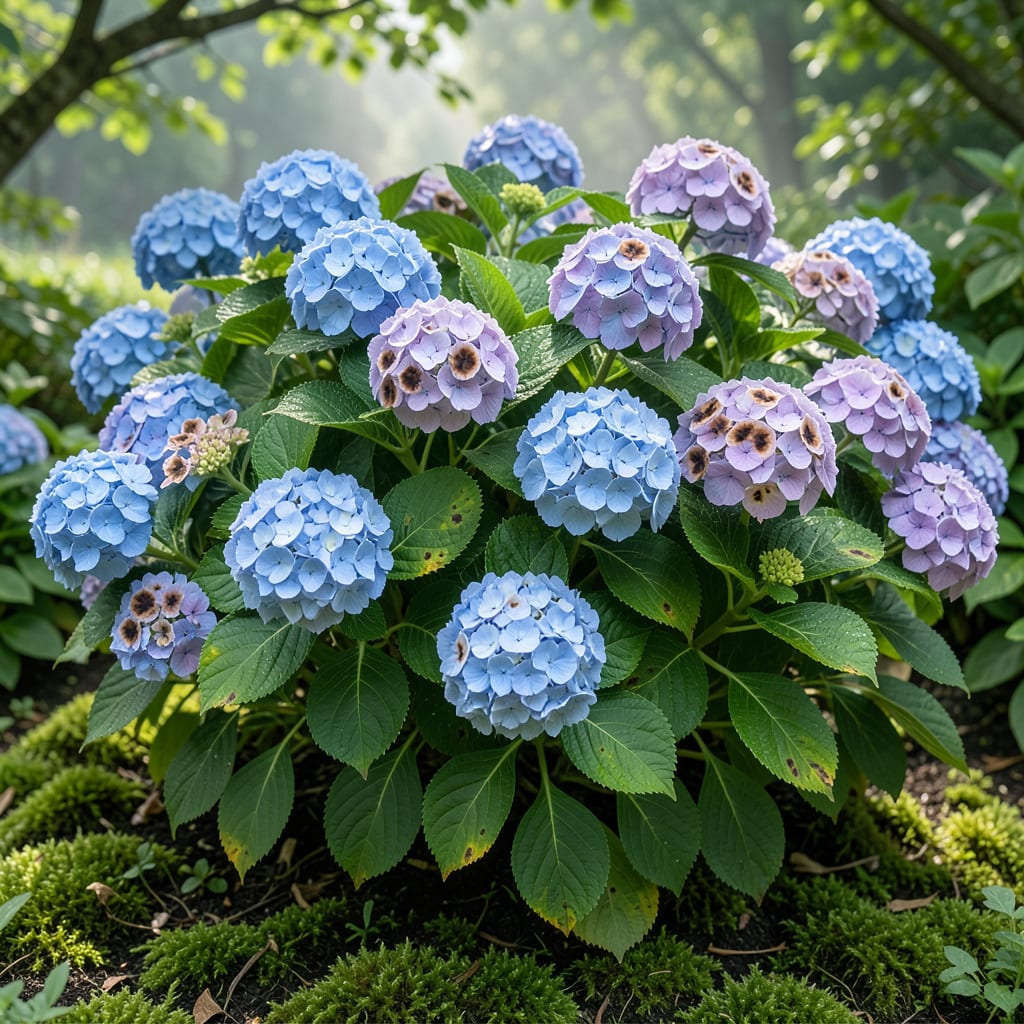
Those brown spots on your hydrangea leaves aren’t just ugly—they’re a warning sign. I’ve seen perfectly healthy plants turn spotted overnight, and the culprit is usually one of three things: too much water, not enough air, or a sneaky fungal visitor.
Here’s the thing—most gardeners overreact and reach for chemicals first. The organic fixes are simpler than you think and often work faster. A little pruning, some airflow adjustments, and the right watering routine can stop the spread in its tracks.
Within a week or two of treatment, you’ll notice new growth coming in clean and green. The key is catching it early before those spots merge into larger, uglier patches that can defoliate your plant entirely.
Works for all hydrangea varieties, whether you’re growing oakleaf, bigleaf, or panicle types. Let’s get those leaves healthy again.
Brown spots on hydrangea leaves often signal underlying issues that disrupt the plant’s health. Below are the most common causes, explained with actionable insights.
Fungi like Cercospora or Alternaria thrive in wet, humid conditions, leading to circular brown spots with yellow halos. These pathogens spread via water splashes, so overhead watering worsens the problem. Improve airflow and water at the base to prevent spores from settling.
Excess moisture suffocates roots, reducing their ability to absorb nutrients. This stress manifests as brown, crispy spots on leaves. Ensure hydrangeas are planted in well-draining soil, and let the top inch of soil dry between waterings.
Extreme heat, drought, or sudden temperature swings can scorch leaves, creating brown patches. Hydrangeas prefer partial shade and consistent moisture. Mulch around the base to retain soil moisture and protect roots from heat stress.
Pests like spider mites or aphids pierce leaf tissues, causing localized browning. Inspect the undersides of leaves for webs or tiny insects. A strong blast of water or neem oil can deter infestations early.
Lack of essential nutrients (e.g., magnesium or potassium) may lead to brown spotting, often with yellowing edges. Conduct a soil test and amend with organic compost or a balanced fertilizer to restore vitality.
Tackling brown spots on hydrangeas starts with identifying the cause. Below are targeted fixes for the most common issues, paired with prevention tips to keep your plants thriving.
Fix: Remove affected leaves immediately to prevent spread. Apply a copper-based fungicide or a DIY mix of 1 tsp baking soda + 1 quart water + a few drops of dish soap. Spray weekly until spots disappear.
Prevent: Improve air circulation by spacing plants properly. Water at the base (not overhead) to keep foliage dry. 💡 Pro tip: Mulch with straw to reduce soil splash, which spreads fungal spores.
Fix: Blast aphids, mites, or beetles off with a strong stream of water. For stubborn infestations, use neem oil or insecticidal soap, applying in the early morning or late evening.
Prevent: Encourage natural predators like ladybugs by planting companion flowers (e.g., marigolds). Inspect leaves weekly for early signs of pests. ✨ Bonus: A layer of diatomaceous earth around the base deters crawlers.
Fix: Adjust your watering routine. For underwatering, give plants a deep soak (1–2 inches of water) 2–3 times weekly. For overwatering, let the top inch of soil dry out before watering again. Trim blackened, mushy roots if root rot is suspected.
Prevent: Use a moisture meter to monitor soil levels. Water early in the day to allow excess moisture to evaporate. 🌡️ Hot tip: Hydrangeas in containers need more frequent watering but ensure pots have drainage holes.
Fix: Test your soil (kits are inexpensive and easy to use). Amend with a balanced fertilizer (10-10-10) or organic options like compost tea. For iron deficiency (common in alkaline soil), apply chelated iron or lower pH with sulfur.
Prevent: Feed hydrangeas in early spring and mid-summer. Avoid high-nitrogen fertilizers, which can promote leafy growth at the expense of blooms. 🎯 Remember: Macrophylla hydrangeas prefer slightly acidic soil (pH 5.5–6.5).
Yes, fungal spores can travel via wind or water to nearby plants. Isolate affected hydrangeas and avoid overhead watering to prevent contamination.
Removing heavily spotted leaves improves appearance and reduces fungal spread. Use clean shears and dispose of debris away from the garden.
With proper treatment, healthy new leaves typically emerge within 2-3 weeks. Consistency in watering and airflow speeds up recovery.
