
Beautiful Plants For Your Interior
Beautiful Plants For Your Interior
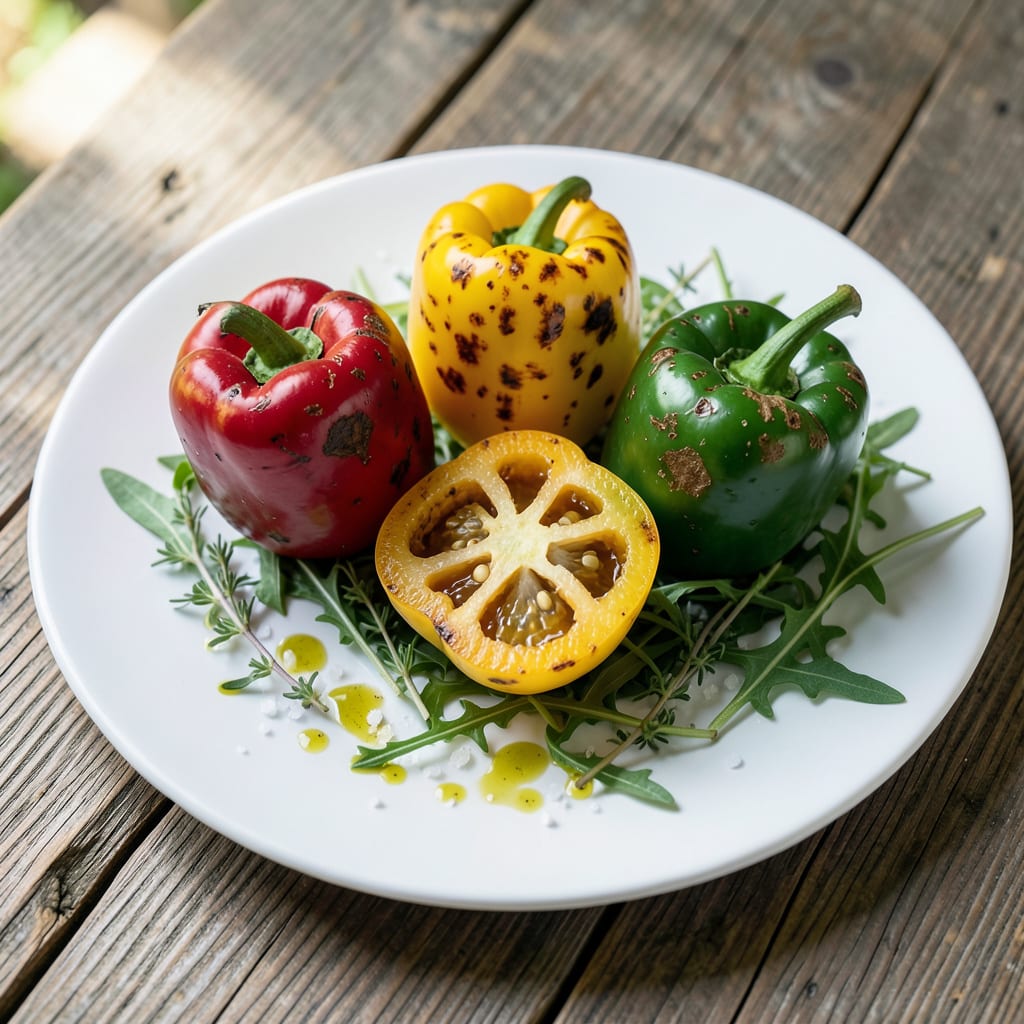
Those brown spots on your peppers aren’t just ugly—they’re a warning sign. I’ve lost entire crops to this before learning the real causes and fixes.
Most cases trace to 3 main issues: fungal infections, pest damage, or environmental stress. The good news? Each has a distinct pattern, making diagnosis easier than you’d expect.
With the right approach, you can stop the spread within 48 hours and prevent future outbreaks. Early action saves plants and your harvest.
Works for container gardens, raised beds, and in-ground plantings. Let’s figure out what’s happening and fix it for good.
Brown spots on bell peppers often stem from a mix of environmental stress, pests, or diseases. Here’s a breakdown of the most common causes:
This physiological disorder occurs due to calcium deficiency or inconsistent watering. When soil moisture fluctuates, the plant struggles to absorb calcium, leading to dark, sunken spots at the blossom end. Solution: Maintain even soil moisture and add calcium-rich amendments like gypsum.
Pathogens like Alternaria or Phytophthora thrive in damp, poorly ventilated conditions. They cause circular, water-soaked brown spots that may develop mold. Solution: Improve airflow, avoid overhead watering, and apply copper-based fungicides.
Stink bugs, aphids, or spider mites pierce pepper tissues, creating entry points for secondary infections. Their feeding often leaves small, discolored lesions. Solution: Use insecticidal soap or neem oil and encourage beneficial insects like ladybugs.
Intense sunlight or extreme heat can scorch pepper skins, forming dry, papery brown patches. Solution: Provide afternoon shade in peak summer or use shade cloths.
Identifying the root cause early helps you target the fix—whether it’s adjusting care, treating pests, or boosting plant health.
Dealing with brown spots on your bell peppers can be frustrating, but there are effective ways to tackle the issue and restore your garden’s health. Here’s how to address the most common causes:
If excessive sunlight is the culprit, provide shade during peak afternoon hours. Use shade cloth or move potted plants to a cooler spot. Water deeply in the early morning to help plants cope with heat. Prevention tip: Mulch around the base to retain moisture and regulate soil temperature. 🌡️
For fungal issues like alternaria leaf spot, remove infected leaves and apply a copper-based fungicide or neem oil. Space plants properly for airflow, and avoid overhead watering to keep foliage dry. Prevention tip: Rotate crops yearly and sterilize garden tools to stop spores from spreading. ✨
Inconsistent watering leads to stress and spots. Water at the base (not the leaves) and maintain a consistent schedule—about 1–2 inches per week. Use drip irrigation for even moisture. Prevention tip: Check soil moisture with your finger; water when the top inch feels dry. 💡
Pests like aphids or spider mites can cause brown spots. Spray with insecticidal soap or introduce beneficial insects like ladybugs. Inspect plants regularly for early signs. Prevention tip: Encourage biodiversity in your garden to naturally deter pests. 🎯
Yellowing leaves with brown spots may signal a calcium or magnesium deficiency. Test your soil and amend with compost or a balanced fertilizer. Prevention tip: Feed plants with a slow-release fertilizer at planting and mid-season. 🌿
Yes, excessive watering creates perfect conditions for fungal growth. Keep soil moist but not soggy, and always water at the base to avoid wetting leaves.
Sunburn spots are dry and papery, appearing on the side facing the sun. Disease spots are often water-soaked with defined edges, spreading across the plant.
Only if the spots are from environmental stress like sunburn. Discard peppers with fungal or bacterial spots to prevent spreading. Always wash thoroughly.
Remove affected leaves immediately and treat with neem oil or copper fungicide. Improve airflow and adjust watering habits to prevent recurrence.
