
Beautiful Plants For Your Interior
Beautiful Plants For Your Interior
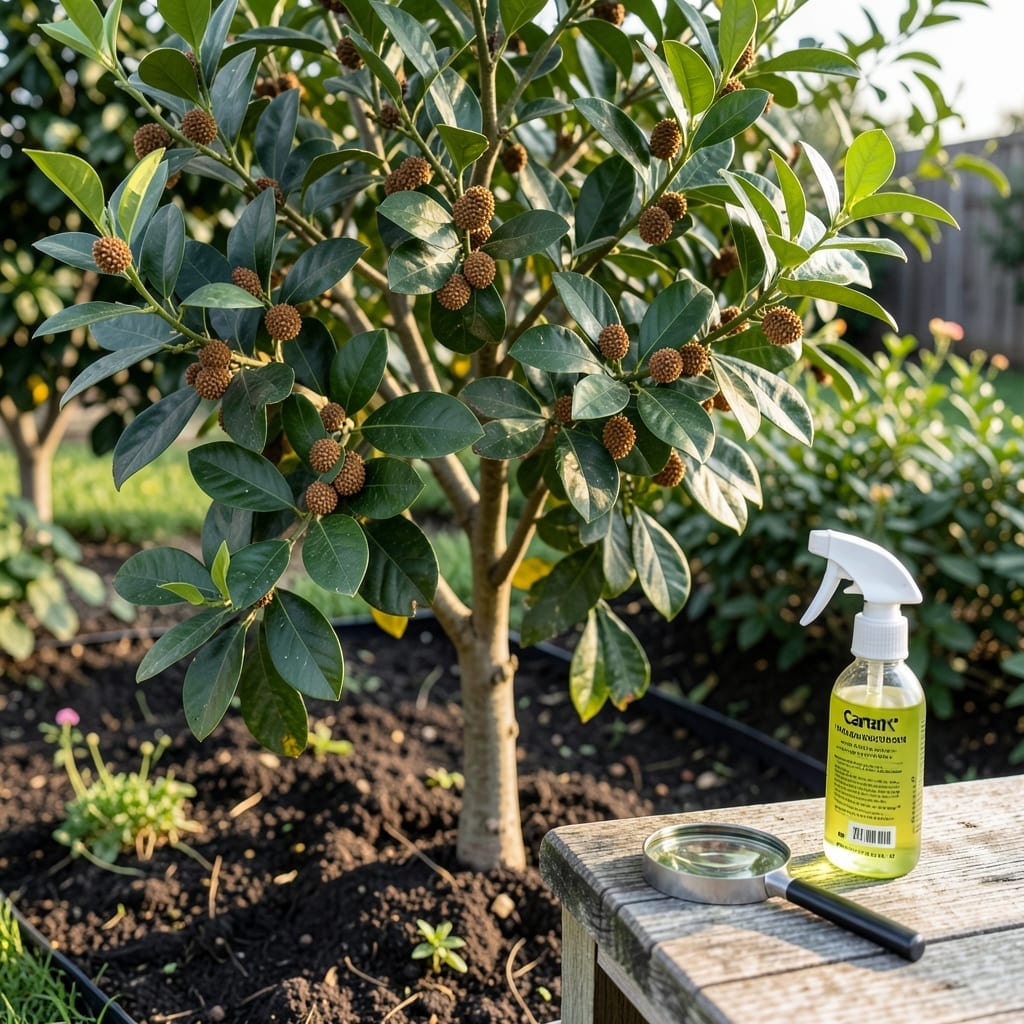
Spotted brown bumps on your plant stems and leaves? That’s brown scale, and it’s stealing your plant’s life force right under your nose.
I first noticed it on my favorite fern—tiny, oval, brown shells that wouldn’t budge. Then the leaves yellowed. These pests suck sap, weaken growth, and spread fast if ignored.
Here’s the thing—immediate action stops the damage. A simple scraping with a fingernail or cotton swab dipped in alcohol removes most infestations in minutes.
Prevention is easier than cure. Regular leaf inspections and a wipe-down with soapy water keep these pests from returning. Your plants will thank you.
Brown scale on plants is a frustrating issue, but understanding its root causes can help you tackle it effectively. Here are the primary reasons why this pest infestation occurs:
Weak or stressed plants are more susceptible to brown scale infestations. Environmental stressors like drought, overwatering, or nutrient deficiencies compromise a plant’s natural defenses, making it an easy target for scale insects. Ensure your plants receive balanced care—consistent watering, proper drainage, and adequate fertilization—to keep them resilient.
Scale insects thrive in warm, dry environments with temperatures between 70–90°F (21–32°C). Low humidity levels also encourage their spread, as dry air allows them to reproduce rapidly. Indoor plants near heaters or in poorly ventilated spaces are especially vulnerable. Increasing humidity with a pebble tray or humidifier can deter these pests.
In outdoor settings, beneficial insects like ladybugs, lacewings, and parasitic wasps naturally control scale populations. However, in indoor gardens or monoculture landscapes, these predators are often absent, allowing brown scale to multiply unchecked. Introducing biological controls or planting companion species that attract predator insects can restore balance.
Dense plantings with poor air circulation create the perfect hiding spots for scale insects. Additionally, fallen leaves, debris, or untreated infested plants can harbor and spread these pests. Regularly prune and inspect your plants, and remove any organic clutter to minimize breeding grounds.
Brown scale often hitches a ride on newly purchased plants, garden tools, or even pots. Failing to quarantine or inspect new additions can introduce scales to your entire collection. Always isolate new plants for 2–3 weeks and sterilize tools with rubbing alcohol to prevent contamination.
Brown scale can be stubborn, but with the right approach, you can restore your plant’s health. Below are targeted solutions for each common cause, along with prevention tips to keep your greenery thriving.
If scale insects have spread widely, start by pruning heavily infested stems or leaves and disposing of them in sealed bags. Isolate the plant to prevent the pests from spreading to others. For severe cases, consider using horticultural oil or insecticidal soap, applying it directly to the affected areas every 7–10 days until the scale is gone.
For mild cases, scrape off the scale insects gently with a soft toothbrush, cotton swab dipped in rubbing alcohol (70% isopropyl), or your fingernail. Focus on the undersides of leaves and stems where they tend to hide. Wipe down the plant with a damp cloth afterward to remove any residue.
Scale thrives in stagnant, humid conditions. Increase airflow around your plants by spacing them out or using a small fan on low. Ensure good ventilation in greenhouses or indoor growing areas. If humidity is too high, a dehumidifier can help create a less inviting environment for pests.
A healthy plant resists pests better. Fertilize regularly with a balanced, organic option to strengthen your plant’s natural defenses. Avoid over- or under-watering, as both stress the plant and make it more vulnerable. Check that your plant is getting the right amount of light for its species.
Scale appears as hard, oval bumps that won’t wipe off easily. Dirt brushes away with a damp cloth. If the spots are firmly attached and clustered along stems, it’s likely scale.
Adult brown scale are immobile, permanently attaching to plants. However, juvenile crawlers can move slowly to new feeding spots. This movement phase lasts 1-3 days before they settle.
Yes, if not fully eradicated. Repeat treatments every 7-10 days for 3-4 weeks to break the life cycle. Combine with preventative measures like neem oil sprays for long-term protection.
Yes, plants with soft stems like ferns, ivy, and orchids are highly vulnerable. Over-fertilized plants with lush new growth also attract scale more than drought-tolerant varieties.