
Beautiful Plants For Your Interior
Beautiful Plants For Your Interior
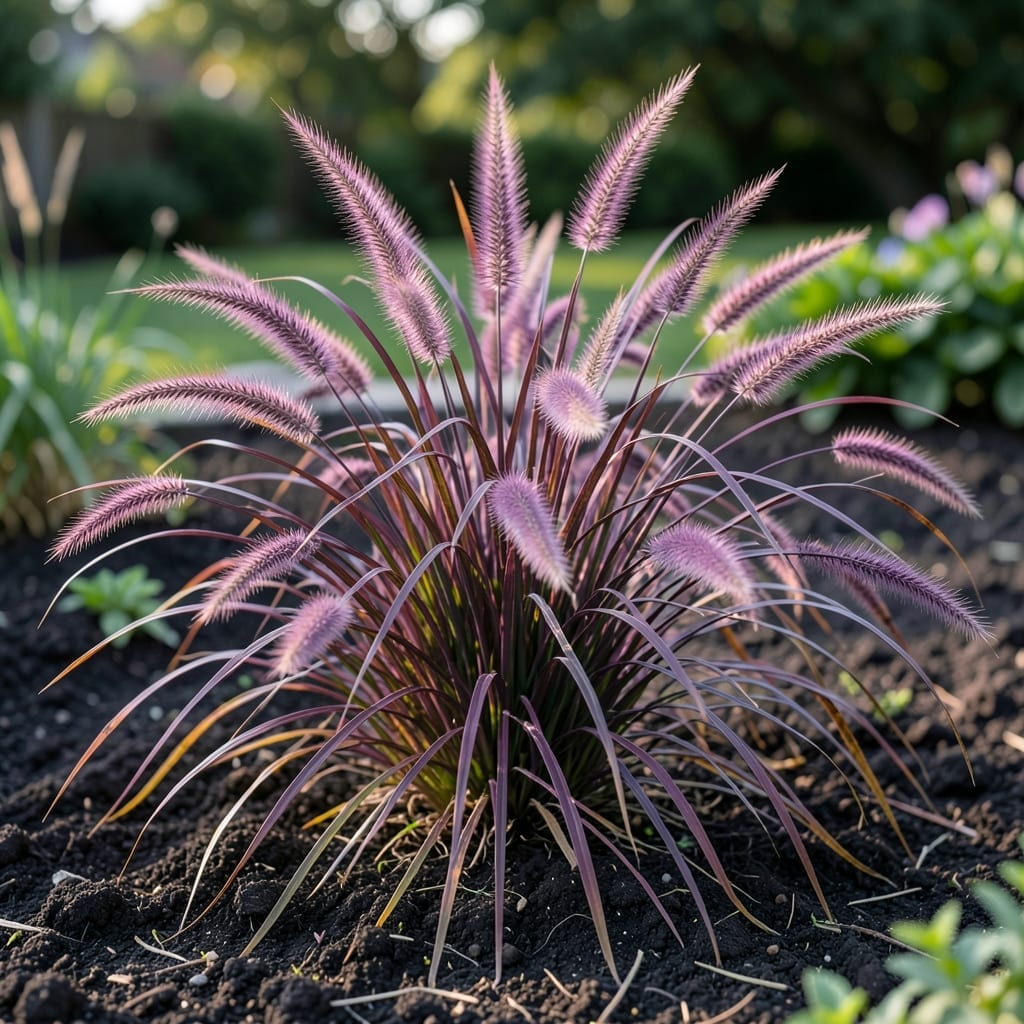
Brown tips on your purple fountain grass aren’t a death sentence. I’ve nursed countless ornamental grasses back to their vibrant purple glory with simple adjustments.
This usually signals stress—either too much or too little water, or maybe your soil’s throwing a nutrient tantrum. The fix often takes less than a week once you pinpoint the issue.
You’ll see new growth emerging from the center within days of correcting the problem. The brown tips won’t regreen, but fresh foliage will hide them as the season progresses.
Works for potted specimens and landscape plantings alike. Here’s how to diagnose and fix it fast.
Brown tips on Pennisetum setaceum ‘Rubrum’ (purple fountain grass) are rarely a death sentence; they’re the plant’s way of signaling a care imbalance. Below are the most common, scientifically backed reasons you’ll see those crispy ends.
Purple fountain grass thrives in well-draining soil. Saturated roots suffocate, while parched roots can’t deliver moisture to the farthest leaf tips. Osmotic stress from inconsistent watering disrupts cellular turgor pressure, leading to necrosis (cell death) at the margins first.
This ornamental grass is perennial in USDA Zones 8–11. Below 20°F (-7°C), cold injury causes ice crystals to rupture cell membranes. Above 90°F (32°C), heat stress accelerates transpiration, outpacing the roots’ ability to supply water, again browning the tips.
Excess fertilizer salts (especially nitrogen-heavy blends) or de-icing salts in winter runoff raise soil electrical conductivity (EC). High EC draws water out of the roots via osmosis, desiccating the plant from the edges inward.
In high humidity with poor airflow, fungal pathogens like Bipolaris or Curvularia can colonize leaf tips. Conversely, low humidity under 40% increases transpiration rates, stressing the plant and causing marginal burn.
Reviving your purple fountain grass starts with pinpointing the cause and applying targeted fixes. Here’s a practical guide to bring back its vibrant color.
If dry soil is the culprit, give your plant a deep soak 1–2 times per week, allowing water to reach the roots (about 6 inches deep). Early morning is ideal to reduce evaporation. Prevention tip: 💡 Mulch around the base to retain moisture and reduce frequency.
Scorched tips often mean too much direct sunlight. Move potted plants to a spot with partial shade (especially in peak afternoon hours) or use shade cloth for in-ground grass. Pair this with consistent watering. Prevention tip: ✨ Acclimate plants gradually to full sun if they’ve been in shade.
Over-fertilizing or hard water can leave salt buildup. Flush the soil with distilled or rainwater until it drains freely from the bottom. Trim brown tips with clean shears to encourage new growth. Prevention tip: 🎯 Use a slow-release, low-salt fertilizer and test soil every 6 months.
If cold or dormancy is the issue, prune dead tips in early spring before new growth starts. For winter care, apply a 2–3 inch layer of mulch to insulate roots. Prevention tip: 🌡️ In colder zones, plant in containers and move indoors before frost.
Check for pests like aphids or fungal spots. Spray with neem oil or insecticidal soap for bugs, and remove affected foliage to stop spread. Improve airflow by thinning dense clumps. Prevention tip: 🔍 Regularly inspect leaves and avoid overhead watering.
No, once the tips are brown, they won’t regreen. The plant can’t repair dead tissue. However, healthy new growth will eventually hide them as it fills in.
Water deeply 1-2 times per week, allowing soil to dry slightly between sessions. In extreme heat, increase to every 2-3 days. Always check soil moisture first.
Rarely. Brown tips usually indicate stress, not disease. If you see spots or wilting, investigate further for fungal issues or pests. Most cases improve with care adjustments.
Yes, trim brown tips with clean shears to improve appearance and redirect energy to healthy growth. Use sharp tools to avoid tearing the foliage.