
Beautiful Plants For Your Interior
Beautiful Plants For Your Interior
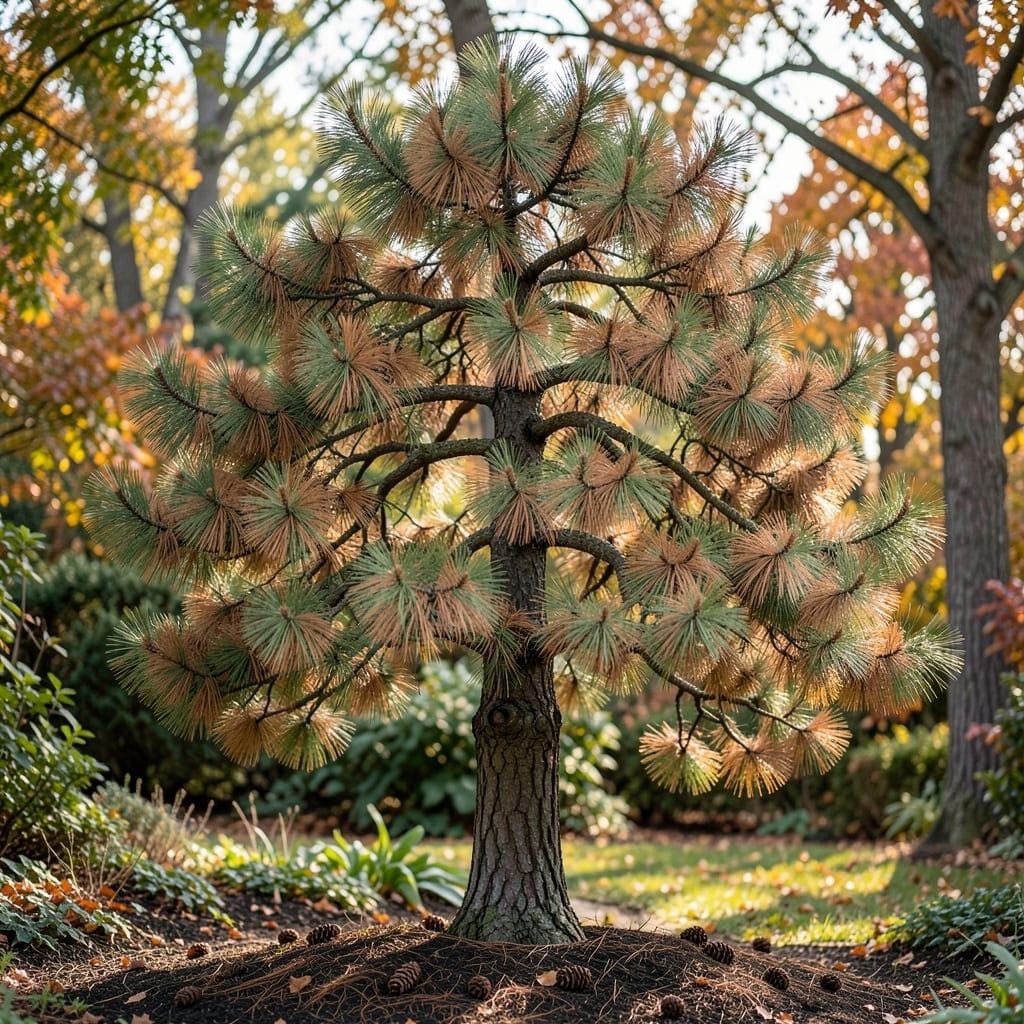
Your pine tree’s brown needles aren’t just unsightly—they’re a warning sign. I’ve seen healthy evergreens turn crispy overnight, and the causes range from drought stress to sneaky pests hiding in the bark.
Diagnosing the issue starts with a close look at the needles: are they brown at the tips, the base, or all over? Each pattern points to a different culprit, like root rot, winter burn, or pine bark beetles.
Once you pinpoint the problem, solutions can be surprisingly simple—adjusting water, improving drainage, or applying the right treatment. Most trees bounce back within 2-3 months with the right care.
Works for young saplings and mature pines alike. Here’s how to save your tree before it’s too late.
Brown needles on pine trees are a distress signal, often caused by a mix of environmental stressors, pests, or diseases. Here’s a breakdown of the most common culprits and the science behind them.
Drought: Pines need consistent moisture. When soil dries out, the tree can’t transport water to its needles, leading to desiccation and browning. This often starts at the tips or lower branches first. Winter burn is a related issue—cold, dry winds pull moisture from needles faster than roots can replenish it, especially in late winter.
Heat and Sun Scorch: Intense sunlight and high temperatures (especially above 90°F) can cause photoinhibition, where the tree’s photosynthesis machinery overheats. Needles may turn brown or yellow, particularly on the south or west-facing sides of the tree.
Needle Blight: Fungi like Dothistroma or Mycosphaerella infect needles, causing necrotic spots that expand into brown bands. These diseases thrive in wet, humid conditions and often spread from the inner needles outward.
Root Rot: Overwatering or poor drainage can lead to Phytophthora or Armillaria infections. These fungi attack the roots, restricting water and nutrient uptake. Symptoms include yellowing needles that turn brown, often accompanied by stunted growth or cankers on the trunk.
Pine Bark Beetles: These tiny insects burrow under the bark, disrupting the tree’s vascular system. Infested trees often show small exit holes and sawdust-like frass at the base. Needles turn brown as the tree starves for water and nutrients.
Spider Mites: These pests suck sap from needles, causing stippling (tiny yellow or white specks) that progresses to browning. They thrive in hot, dry weather and often target drought-stressed trees first.
Air Pollution: Ozone, sulfur dioxide, or particulate matter can damage needle tissues, leading to tip burn or widespread browning. Urban pines or those near roads are most vulnerable.
Herbicide Drift: Exposure to broadleaf weed killers (like 2,4-D) can cause hormonal imbalances in pines, leading to twisted, brown needles. Even low concentrations can be harmful.
When your pine’s needles turn brown, quick action can save its vibrancy. Below are targeted fixes for each common cause, paired with prevention tips to keep your evergreen thriving.
Give your pine a slow, deep soak at the drip line (outer edge of the branches) once a week during dry spells. Use a soaker hose or drip irrigation to deliver water directly to the roots. Prevention: Mulch with 2–3 inches of organic material (like wood chips) to retain moisture and regulate soil temperature.
Stop watering immediately and check the soil—if it’s soggy, your pine may be drowning. Amend heavy clay soil with compost or sand, or consider installing a French drain. Prevention: Plant pines in well-draining soil and avoid low-lying areas where water pools.
Prune infected branches below the brown needles (sterilize tools with rubbing alcohol between cuts) and dispose of them far from the tree. Apply a copper-based fungicide as directed. Prevention: Space trees properly for airflow, and avoid overhead watering to keep foliage dry.
For bark beetles or sawfly larvae, spray with horticultural oil or insecticidal soap at dawn/dusk. For severe cases, consult an arborist for systemic insecticides. Prevention: Inspect trees regularly for early signs (holes, sawdust-like frass) and maintain tree vigor with proper watering and fertilization.
Protect pines from road salt by rinsing the soil with water in early spring. For winter burn, wrap young trees in burlap or apply an anti-desiccant spray in late fall. Prevention: Choose salt-tolerant varieties if planting near roadways, and water deeply before winter to reduce stress.
Pro tip: 💡 Always test soil moisture before watering—stick your finger 2 inches into the soil. If it’s dry, it’s time to water; if it’s damp, hold off!
Drought causes needles to brown from the tips inward, often affecting lower branches first. Disease typically creates spots or bands on needles and may spread from inner to outer growth. Check soil moisture to confirm.
Yes! Overwatering leads to root rot, which blocks water uptake. Needles turn brown or yellow, often with a musty smell at the base. Always let soil dry slightly between waterings.
No, once needles brown, they won’t recover. But the tree can regrow new ones if the underlying issue is fixed. Focus on improving overall health.
If browning spreads rapidly, you see exit holes from beetles, or the trunk has cankers, call a professional. Early intervention can save the tree.