
Beautiful Plants For Your Interior
Beautiful Plants For Your Interior
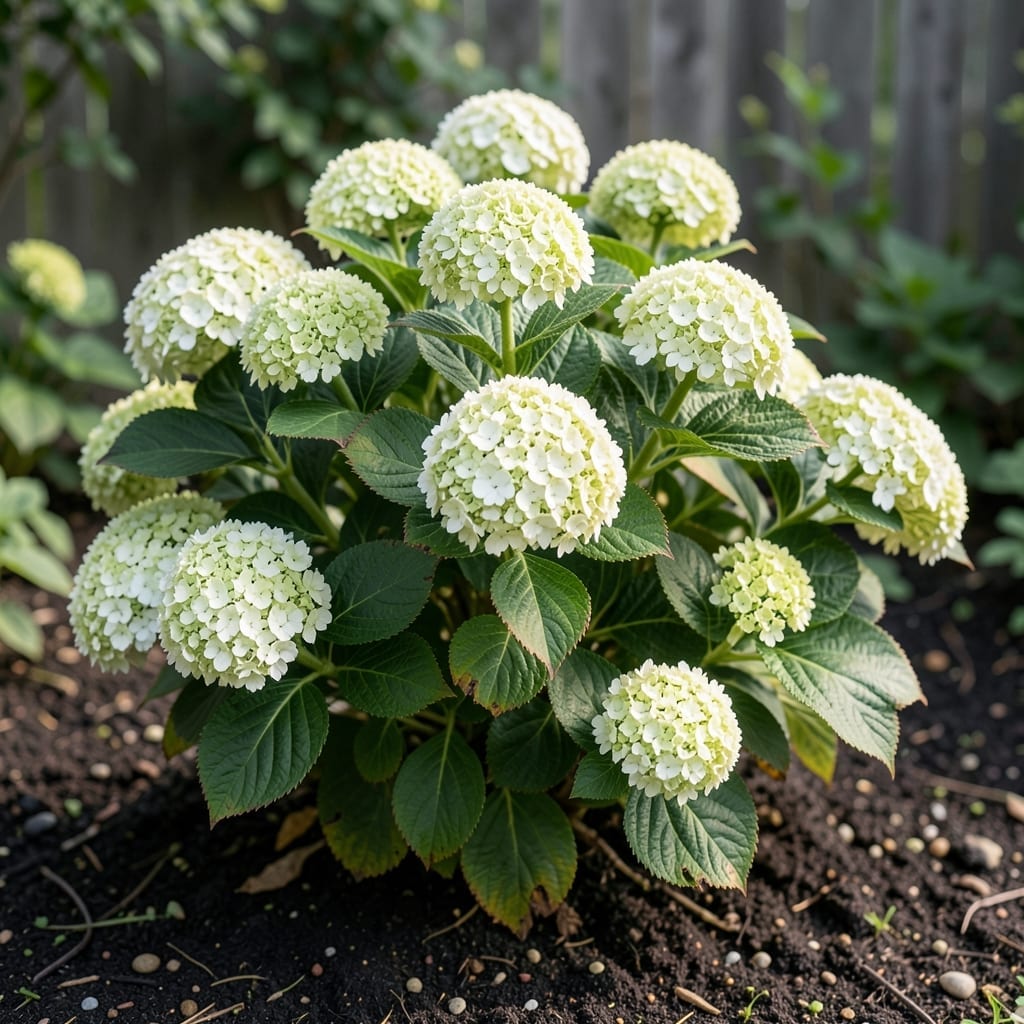
Brown leaf tips on hydrangeas always signal something’s off. I’ve seen this in my own garden when the soil gets too dry or the roots sit in water for too long.
Often, it’s not just water—nutrient imbalances or the wrong soil pH can stress the plant just as much. The fix usually starts with checking the basics: moisture, drainage, and what’s in your soil.
With a few adjustments, you’ll see new growth replacing those crispy tips within 2-3 weeks. The plants bounce back fast once you pinpoint the issue.
Preventing it next season means consistent care and a little extra attention to your hydrangea’s needs. Simple tweaks make all the difference.
Brown leaf tips on hydrangeas often signal underlying stress. Here are the most common causes, explained with actionable insights:
Hydrangeas thrive in moist but well-drained soil. When humidity drops or watering is erratic, leaf edges dry out, turning brown. Hydrangea macrophylla (bigleaf hydrangea) is especially sensitive—its large leaves lose water quickly. Solution: Water deeply 2–3 times weekly (more in heatwaves) and mulch to retain moisture.
Excess salts from fertilizers, tap water, or de-icing agents accumulate in soil, drawing water away from roots. This causes tip burn, often with yellow halos. Test soil with a conductivity meter (ideal: < 1.0 dS/m). Fix: Flush soil with distilled water or switch to low-salt organic fertilizers.
Too much nitrogen (promotes leafy growth at the expense of roots) or deficiencies in potassium, magnesium, or calcium disrupt cellular function. Brown tips may pair with interveinal chlorosis (yellowing between veins). Action: Use a balanced 10-10-10 fertilizer and supplement with Epsom salt (for magnesium) or gypsum (for calcium).
Hydrangeas prefer slightly acidic soil (pH 5.2–6.5). Extreme pH locks out nutrients like iron and manganese, leading to stress symptoms. Test soil with a pH kit; amend with sulfur (to lower pH) or lime (to raise it). Note: H. paniculata tolerates more alkaline soil than H. macrophylla.
Sudden frost, heatwaves, or cold drafts damage leaf margins. Hydrangeas in containers are vulnerable to temperature swings. Protect with frost cloth in winter and shade cloth in summer (especially for afternoon sun).
Tackle brown leaf tips on your hydrangea with these targeted fixes for the most common causes. Each solution is simple, actionable, and designed to restore your plant’s health and vibrancy.
Fix: Check the soil moisture 2 inches down. If it’s bone-dry, water deeply until the top 6 inches are moist. If soggy, let it dry out before watering again. Aim for consistent moisture—not too wet, not too dry. Use a moisture meter for precision.
Prevention: Apply a 2-3 inch layer of mulch (like pine bark or compost) to retain moisture and regulate soil temperature. Water in the early morning to reduce evaporation. 💡
Fix: Increase humidity around your hydrangea by mist the leaves in the morning or place a tray of water with pebbles near the base. For indoor plants, use a humidifier.
Prevention: Group plants together to create a microclimate with higher humidity. Keep them away from drafts or heating vents. 🌡️
Fix: Flush the soil with distilled or rainwater to leach out excess salts from fertilizers or tap water. If using tap water, let it sit out overnight to allow chlorine to evaporate.
Prevention: Use balanced, slow-release fertilizers and follow the recommended dosage. Avoid over-fertilizing, especially in late summer. ✨
Fix: Test your soil pH (hydrangeas thrive in 5.2–6.2). For acidic soil, add aluminum sulfate; for alkaline soil, use lime. If nutrient deficiency is suspected, apply a hydrangea-specific fertilizer rich in iron or magnesium.
Prevention: Amend soil with organic matter (compost or peat moss) annually to maintain pH and nutrient levels. 🎯
Fix: Move potted hydrangeas to a spot with bright, indirect light and protection from harsh winds. For in-ground plants, provide shade during the hottest part of the day.
Prevention: Acclimate plants gradually to new conditions and avoid sudden changes in temperature or light exposure. 🌿
Yes, trim the brown edges with clean scissors, following the leaf’s natural shape. This improves appearance and prevents further damage. Avoid removing more than 1/3 of the leaf.
Test soil 2-3 times weekly by inserting your finger 2 inches deep. Water when the top inch feels dry. Consistency prevents both underwatering and overwatering.
Yes, chlorine and salts in tap water may contribute to tip burn. Let water sit overnight before using, or switch to distilled/rainwater for sensitive plants.
No, damaged tissue won’t recover, but new growth will be healthy once you address the underlying cause. Focus on prevention for future leaves.