
Beautiful Plants For Your Interior
Beautiful Plants For Your Interior
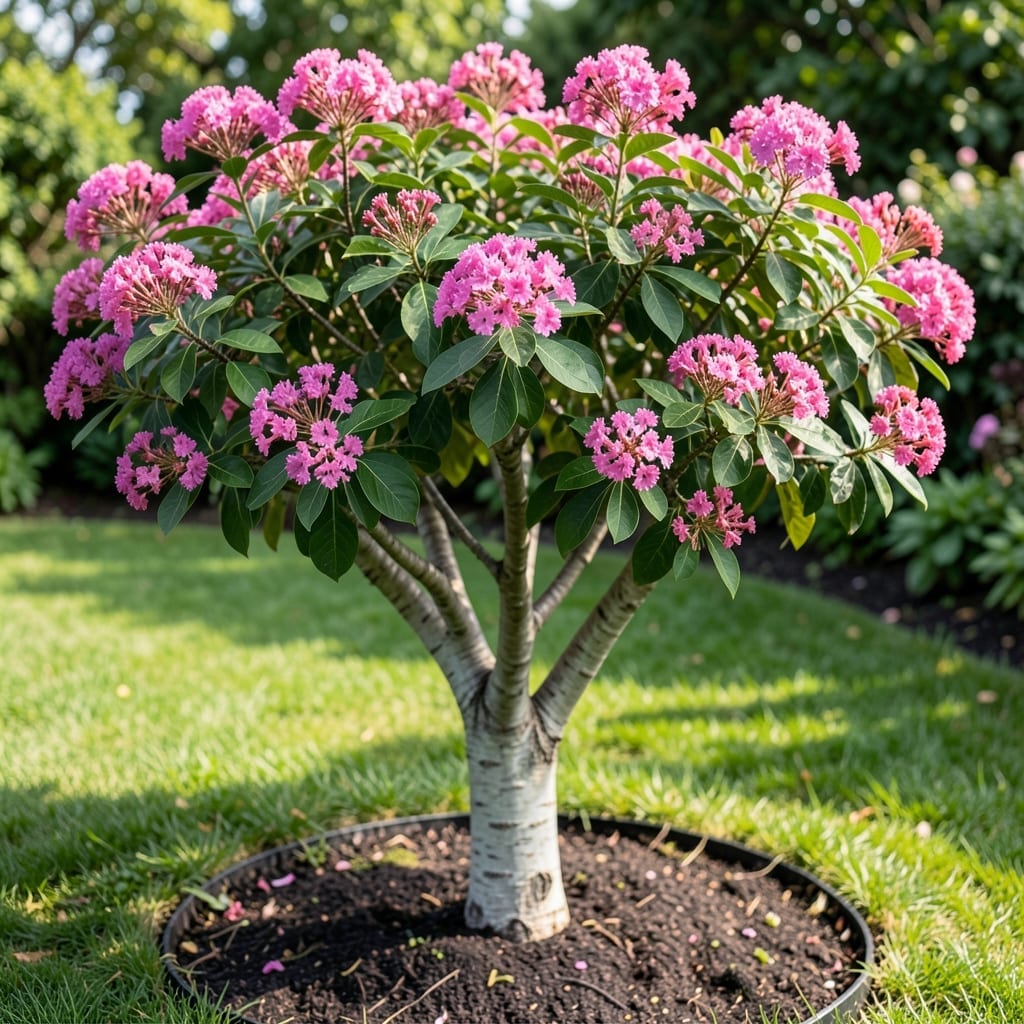
That first glimpse of bright pink blooms against spring green stops me every time. A flowering tree in this shade becomes the undisputed star of any garden, drawing eyes and compliments alike.
I’ve found the secret lies in placement—frame it with evergreens for contrast or let it stand solo as a focal point. The color pops hardest against dark foliage or neutral backdrops like fences or stone walls.
Species like dogwood, cherry, or crapemyrtle deliver that shock of pink with minimal fuss. They thrive in most climates and ask only for good drainage and occasional pruning to maintain shape.
Within weeks of planting, you’ll have a living sculpture that transforms your space from ordinary to extraordinary. The impact lasts through multiple seasons, not just during bloom time.
The vibrant pink hue in certain trees is a fascinating natural phenomenon with clear scientific explanations. Here’s why it happens:
Many trees produce anthocyanins, water-soluble pigments that appear red, purple, or pink. These compounds are activated by environmental factors like cold temperatures, intense sunlight, or nutrient imbalances. For example, Prunus species (like cherry blossoms) naturally synthesize anthocyanins in their petals, creating that iconic bright pink display.
Some trees, such as the Crepe Myrtle or Dogwood, are genetically programmed to bloom in pink. Selective breeding has amplified these traits, leading to cultivars with consistently vivid colors. The pigmentation is often tied to specific genes that regulate flower or foliage color during growth stages.
Stress can trigger color changes. Drought, soil deficiencies (e.g., phosphorus or nitrogen), or pH imbalances may cause leaves or flowers to turn pink as a survival response. For instance, Maple trees sometimes develop pinkish leaves under high UV exposure or temperature fluctuations.
Actionable Tip: To enhance pink hues in your garden, test soil pH (aim for 6.0–7.0) and ensure adequate sunlight (6+ hours daily).
If your tree’s leaves or blooms are turning an unexpected bright pink, the cause is usually environmental or nutritional. Below are targeted fixes for common triggers, plus ways to keep your tree thriving long-term.
Too much phosphorus or a nitrogen deficiency can push foliage toward pink hues. Fix it: Test your soil with a home kit. If phosphorus is high, flush the soil with water to dilute excess nutrients. For nitrogen shortages, apply a balanced, slow-release fertilizer (10-10-10) and water deeply to help roots absorb it.
Both over- and under-watering can stress a tree, leading to color changes. Fix it: Check soil moisture 2 inches down—it should feel like a wrung-out sponge. Adjust your watering schedule: deep, infrequent watering (1–2 times a week) is better than daily light sprinkles. Mulch around the base to retain moisture.
Some trees develop pink tones when exposed to intense, direct sunlight, especially if they’re not acclimated. Fix it: Provide afternoon shade with a shade cloth or plant in a spot with dappled light. Gradually increase sun exposure over weeks to help the tree adapt.
Infestations or fungal infections can weaken a tree, causing unusual pigmentation. Fix it: Inspect leaves and bark for pests like aphids or signs of fungus (spots, powdery residue). Treat with neem oil or a fungicide, and prune affected branches to prevent spread.
Prevention tips: 💡 Maintain consistent care—regular watering, seasonal fertilizing, and annual pruning. Monitor your tree weekly for early signs of stress, and rotate planting locations to avoid soil depletion. Healthy trees are less likely to develop odd coloration!
Cherry blossoms, dogwoods, and crepe myrtles are top choices. Cherry trees offer explosive pink clouds, while dogwoods provide delicate, long-lasting flowers. Crepe myrtles bloom all summer with vibrant clusters.
Most require full sun (6+ hours daily) for richest color. Some like dogwoods tolerate partial shade but may produce fewer blooms. Morning sun with afternoon shade works well in hot climates.
Early spring or fall is ideal. This gives roots time to establish before extreme heat or cold. Avoid planting in peak summer or winter when stress is highest.
Dwarf varieties like dwarf cherry or crepe myrtle work well in large containers. Use well-draining soil and water when the top 2 inches feel dry. Repot every 2-3 years.