
Beautiful Plants For Your Interior
Beautiful Plants For Your Interior
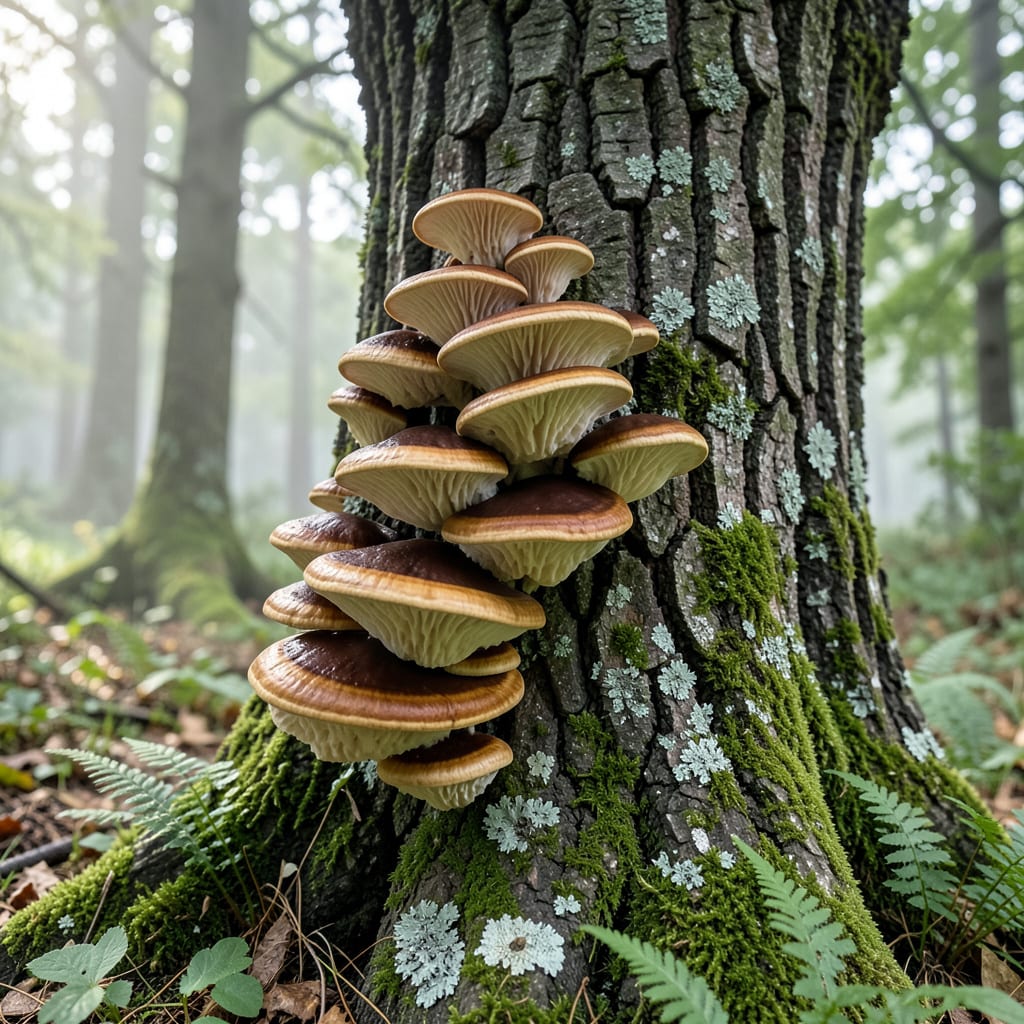
Spotting shelf-like growths on your tree trunk means trouble. Bracket fungus is nature’s way of saying your tree is under internal attack, and ignoring it often leads to a slow, inevitable decline.
These tough, woody formations appear where the tree is already weakened, usually from old wounds or stress. They spread unseen through the heartwood, breaking down the tree’s structural integrity before you even notice the damage.
I caught it early on my oak and saved it with targeted removal and improved care. The key is acting before the infection spreads to the tree’s core.
Regular inspections and proper pruning can prevent this silent killer from taking hold in the first place.
Bracket fungus, also known as shelf fungus, thrives on trees due to specific environmental and biological conditions. Understanding these causes can help you prevent or address the issue effectively. Below are the primary reasons why this fungus appears on trees.
Trees that are stressed, injured, or in decline are highly susceptible to bracket fungus. Open wounds from pruning, storms, or animal damage create entry points for fungal spores. Additionally, trees weakened by drought, poor soil quality, or root compaction lack the vigor to fend off infections. Once inside, the fungus decomposes the tree’s heartwood, leading to structural decay.
Bracket fungus spreads through airborne spores released by mature fruiting bodies. These spores land on vulnerable trees and germinate under the right conditions—typically high humidity and moisture. Decaying wood, fallen logs, or nearby infected trees can serve as spore sources, increasing the risk of new infections.
Prolonged dampness is a key trigger for bracket fungus growth. Poor drainage, overwatering, or heavy rainfall can saturate the soil and tree bark, creating an ideal habitat for fungi. Trees in shaded, poorly ventilated areas are especially prone, as moisture lingers longer on their surfaces.
Dense canopies or overcrowded plantings restrict airflow, trapping moisture against the tree. This stagnant environment encourages fungal development. Thinning branches and maintaining proper spacing between trees can improve ventilation and reduce fungal risks.
Bracket fungus can weaken and eventually kill your trees if left unchecked. Here’s how to tackle the problem based on the underlying cause:
If the bracket fungus is still small and localized, physically remove it with a clean, sharp knife or pruning shears. Cut out the infected wood at least 4-6 inches beyond the visible fungus to ensure all mycelium is gone. Disinfect your tools with rubbing alcohol between cuts to prevent spreading spores. Dispose of the infected material by burning or sealing it in a trash bag—never compost it.
For larger infections or structural damage, prune heavily infected branches to save the rest of the tree. If the trunk is compromised or the tree is a safety hazard (e.g., near structures or power lines), full removal is the safest option. Consult a certified arborist for large or hard-to-reach trees.
Pro tip 🎯: Inspect trees annually for early signs (e.g., small shelves or discolored bark) and act fast—bracket fungus spreads quickly in wet, stressed trees!
It depends on the extent of internal decay. If caught early and removed properly, the tree may heal. However, advanced cases often require removal to prevent safety hazards.
Yes, spores can spread to nearby trees, especially in damp conditions. Remove infected material immediately and avoid composting it to prevent further contamination.
Check at least twice a year, in spring and fall. Pay extra attention after storms or periods of heavy rain, when trees are most vulnerable.
Seal it in a trash bag or burn it completely. Never compost or leave it in your yard, as this allows spores to spread to healthy trees.
