
Beautiful Plants For Your Interior
Beautiful Plants For Your Interior
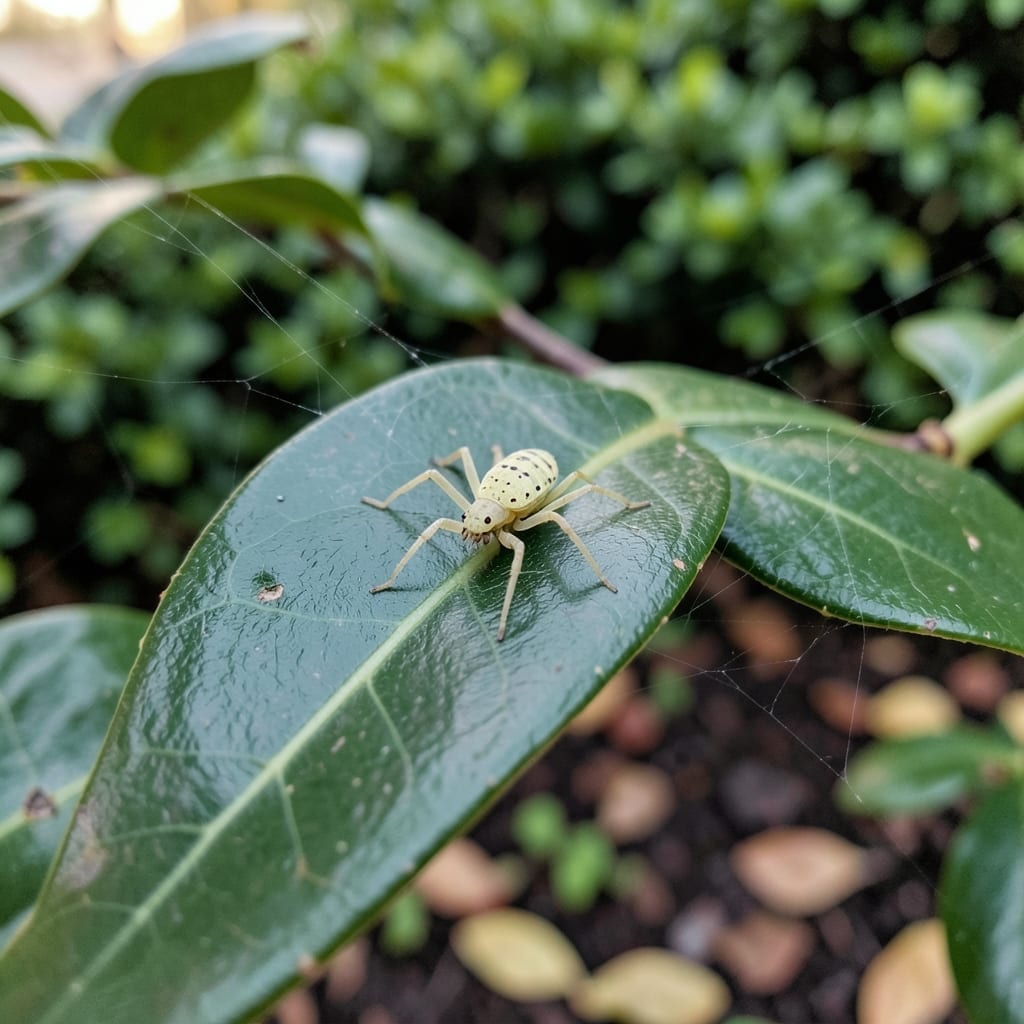
Tiny pests, big damage. Boxwood spider mites can turn lush greenery into brittle brown messes in days, and I’ve seen it happen to even well-maintained hedges.
Here’s the thing—these pests thrive in hot, dry conditions, so early detection is everything. I caught them once by noticing fine webbing on the undersides of leaves. Left unchecked, they’ll drain the life out of your plants.
Within 48 hours, you can stop the spread using a non-toxic approach. A sharp blast of water, neem oil, or insecticidal soap works wonders without harming the environment.
Consistent monitoring and proper watering habits keep them from coming back. Your boxwoods can recover—if you act fast.
Boxwood spider mites thrive under specific conditions that stress plants and create ideal breeding grounds. Understanding these triggers helps prevent outbreaks before they start.
Spider mites multiply rapidly in hot, dry weather (especially above 85°F/29°C). Boxwoods under water stress produce weaker defenses, making them prime targets. Action: Maintain consistent soil moisture with deep, early-morning watering to reduce plant stress.
Dense foliage traps heat and humidity, creating a microclimate mites love. Lack of airflow also hinders natural predators (like ladybugs) from reaching infestations. Action: Thin out inner branches annually to improve ventilation and light penetration.
Broad-spectrum insecticides kill beneficial insects (e.g., predatory mites, lacewings) that keep spider mite populations in check. Without these allies, mites face zero resistance. Action: Avoid chemical sprays unless targeting a confirmed pest; opt for neem oil or insecticidal soaps instead.
Nutrient-deficient or high-nitrogen soils weaken boxwoods, making them more susceptible. Mites are drawn to stressed plants with thin cuticles. Action: Test soil annually; amend with compost and balanced fertilizers (e.g., 10-10-10) to strengthen plant resilience.
Spotting the first signs of infestation? Act fast with these targeted fixes to reclaim your boxwoods without harsh chemicals.
For early cases, prune affected branches and dispose of them in sealed bags to prevent spread. Follow up with a neem oil or insecticidal soap spray, applying in the early morning or late evening to avoid leaf burn. Reapply every 3–5 days until mites vanish.
When mites cover large areas, use horticultural oil (like dormant oil) to suffocate them. Mix according to the label and coat both sides of leaves thoroughly. Avoid treating during extreme heat or drought to protect plant health.
Spider mites thrive in dryness. Mist plants regularly or place a tray of water near the base to increase humidity. A mulch layer also retains soil moisture and deters mites.
Look for tiny yellow or white speckles on leaves and fine webbing on the undersides. A magnifying glass helps confirm their presence before damage spreads.
Neem oil disrupts their lifecycle but may take 3-5 days to fully eliminate mites. Reapply every few days until they’re gone.
Prune dead branches and treat with horticultural oil. Healthy regrowth is possible if the roots remain intact.
Check weekly during hot, dry weather when mites are most active. Focus on leaf undersides and new growth.