
Beautiful Plants For Your Interior
Beautiful Plants For Your Interior
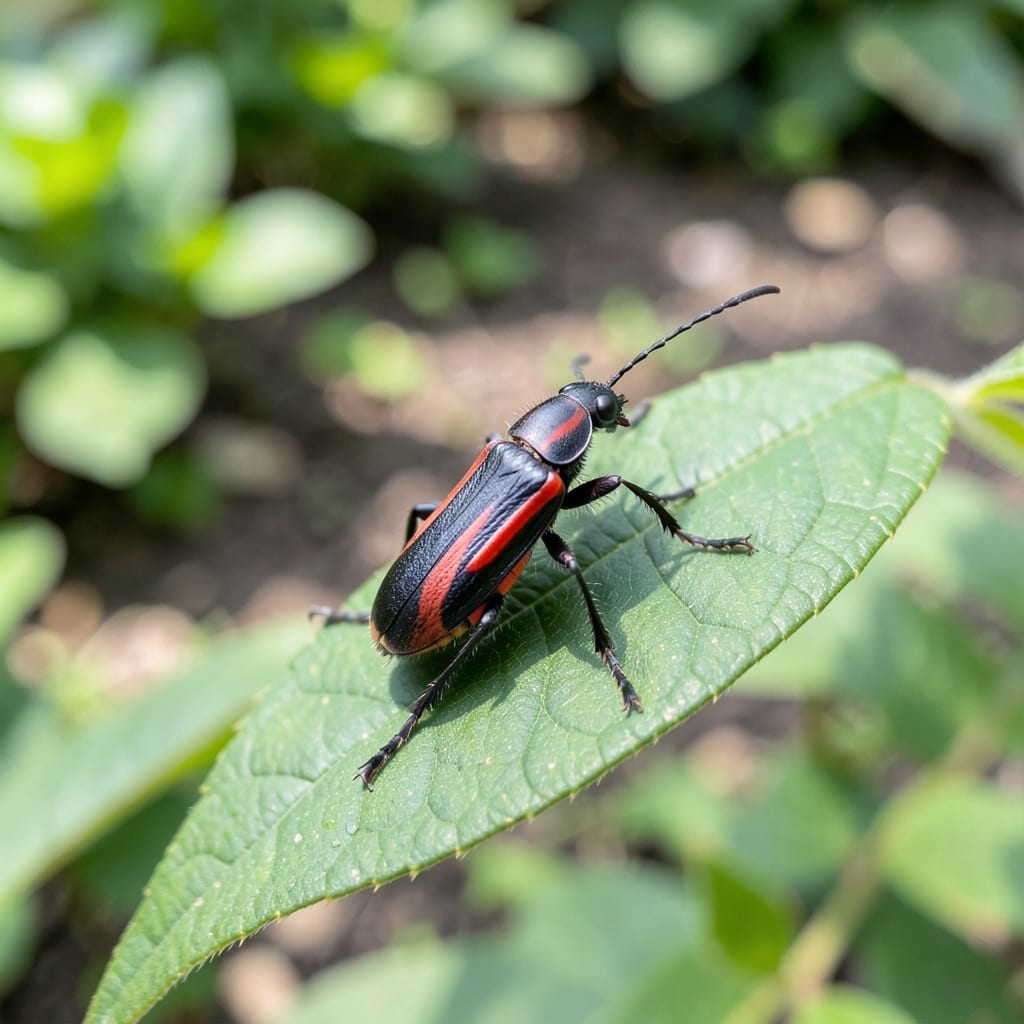
Boxelder bugs swarming your trees are more than an eyesore. I first noticed them clustering on my maple last fall, their black and red bodies creating moving patches on the bark.
These pests target female boxelder trees and seed-bearing maples, sucking sap from leaves and seeds. The damage adds up: leaf curling, seed drop, and honeydew that attracts other insects. Left unchecked, they can weaken young trees.
Natural removal starts with early detection and consistent action. A strong spray from the hose dislodges clusters, while soapy water breaks down their protective coating. Neem oil works too, but timing matters.
Prevention means removing female boxelders or using tree bands in early summer. The key is persistence—they’ll keep coming back without a solid plan.
Boxelder bugs are drawn to specific trees for a few key biological and environmental reasons. Understanding these causes can help you address infestations more effectively.
The primary attractant is the female boxelder tree (Acer negundo), whose seed pods provide a rich food source for nymphs and adults. These bugs feed on the sap from the seeds, which is packed with nutrients. Male boxelder trees and other maple species may also host them, but female trees are the most common targets.
In fall, boxelder bugs seek warm, sheltered spots to survive winter. Trees with thick bark or nearby structures (like homes) offer ideal hiding places. They congregate in large numbers on the south-facing sides of trees, where sunlight provides warmth before they move indoors or into leaf litter.
These bugs are cold-sensitive and rely on sunlight to regulate body temperature. On warm, sunny days, they become active and swarm tree trunks or branches. This behavior peaks in early spring and fall, when temperatures fluctuate, prompting them to seek out heat and food simultaneously.
Female boxelder bugs lay eggs on tree bark or leaves, particularly in cracks or crevices. The nymphs hatch and feed on the tree’s seeds and foliage, completing their life cycle. Trees in moist, shaded areas with abundant seed production are prime breeding grounds, leading to repeated infestations.
Dealing with boxelder bugs on your trees can be frustrating, but these practical solutions will help you reclaim your yard. Below are targeted fixes for common issues, along with prevention tips to keep them from returning.
If you spot clusters of boxelder bugs on the tree trunk or branches, use a vacuum to suck them up. Empty the vacuum bag into a sealed plastic bag and dispose of it immediately. For smaller groups, drop them into a bucket of soapy water to drown them.
Boxelder bugs lay eggs on leaves and seed pods. Prune affected branches and burn or bag them to prevent hatching. Check the undersides of leaves regularly, especially in late spring and early summer.
These pests often move from trees to nearby homes. Caulk cracks in windows, doors, and foundations. Install door sweeps and repair damaged screens to block their entry.
For severe infestations, use insecticidal soap or neem oil. Spray directly on bugs, focusing on tree bark and foliage. Reapply every few days until the population drops.
Prevention Tips:
With consistency, these methods will reduce and prevent boxelder bug problems effectively.
No, they also infest seed-bearing maple trees. Female boxelders are their top choice, but any tree producing sap-filled seeds may attract them.
Peak activity occurs in early spring and fall when temperatures fluctuate. They swarm tree trunks on warm, sunny days to feed and seek shelter.
Yes, removing seed pods eliminates their primary food source. Combine this with pruning affected branches and using soapy water sprays for best results.
Severe infestations can weaken young trees by sucking sap and causing leaf curl. However, healthy mature trees typically tolerate their presence.