
Beautiful Plants For Your Interior
Beautiful Plants For Your Interior
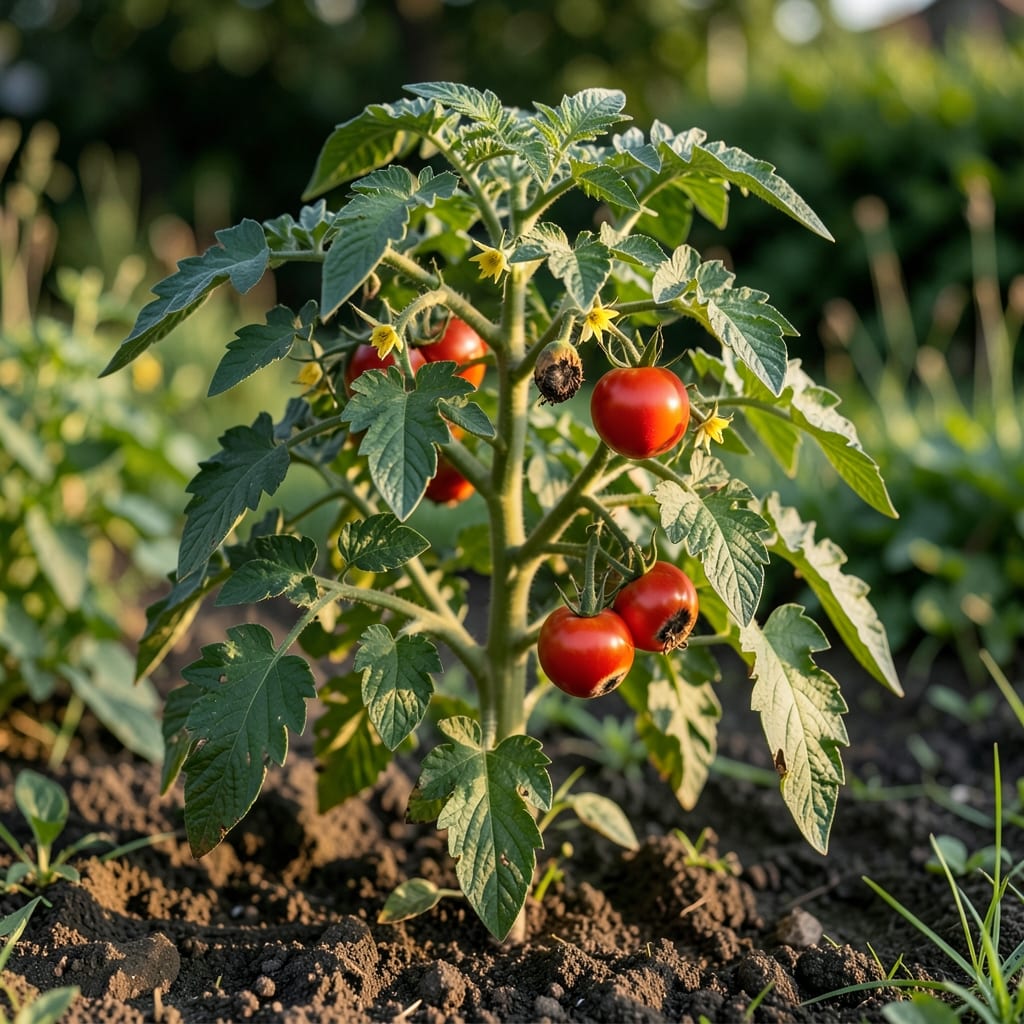
Bottom end rot is a fungal or bacterial disease causing dark, water-soaked lesions on fruit bottoms, often due to calcium deficiency, uneven watering, or poor soil conditions.
I’ve seen this issue wreck entire tomato crops when calcium uptake gets disrupted by inconsistent moisture levels. 🔥 The disease often starts as small, sunken spots that rapidly expand, turning black and leathery. Early detection is crucial—once lesions form, the damage is irreversible, so prevention through balanced irrigation and soil testing is your best defense.
💡 In This Article
The disease begins when calcium distribution within the plant becomes disrupted. This nutrient is immobile once deposited in plant tissues, so new growth relies entirely on a steady supply. When water stress occurs—from drought or overwatering—the plant’s ability to transport calcium to developing fruit halts. 🔥
Environmental stressors create perfect entry points for pathogens. Cracks in fruit skin from rapid growth or physical damage allow fungi like Alternaria or bacteria such as Erwinia to infect. These microbes thrive in warm, moist conditions, especially when soil pH drifts below 6.0 or above 7.5, reducing calcium availability.
What’s happening inside the plant matters too. Calcium strengthens cell walls, but when deficient, cells weaken and collapse. This creates the characteristic sunken, water-soaked lesions. In tomatoes, this often appears as a dark, leathery patch at the blossom end, while peppers may show soft, rotting areas. ✨
Soil structure plays a critical role. Compacted or waterlogged soils limit root development and nutrient absorption. Organic matter levels below 3% often correlate with increased disease incidence. The relationship is clear: healthy soil biology supports robust calcium uptake, while poor conditions invite infection. 💫
Temperature fluctuations worsen the problem. Cool nights below 50°F slow calcium transport, while hot days above 90°F increase fruit growth rate—creating a mismatch between demand and supply. This physiological stress makes plants more susceptible to opportunistic pathogens already present in the soil.
Calcium deficiency is the primary culprit, creating weak cell walls. Water stress from uneven irrigation prevents proper nutrient transport, leading to collapsed tissues and sunken lesions.
Unfortunately no. Once lesions appear, the damage is irreversible. Focus on prevention by maintaining consistent moisture and proper calcium levels in your soil.
Under ideal conditions for pathogens (warm, moist), lesions can expand rapidly within 24-48 hours. Early detection and removal of affected fruit can help limit the spread.
Yes, tomatoes and peppers are most commonly affected. Varieties like ‘Mountain Merit’ tomatoes show better resistance. Always choose disease-tolerant cultivars when possible.