
Beautiful Plants For Your Interior
Beautiful Plants For Your Interior
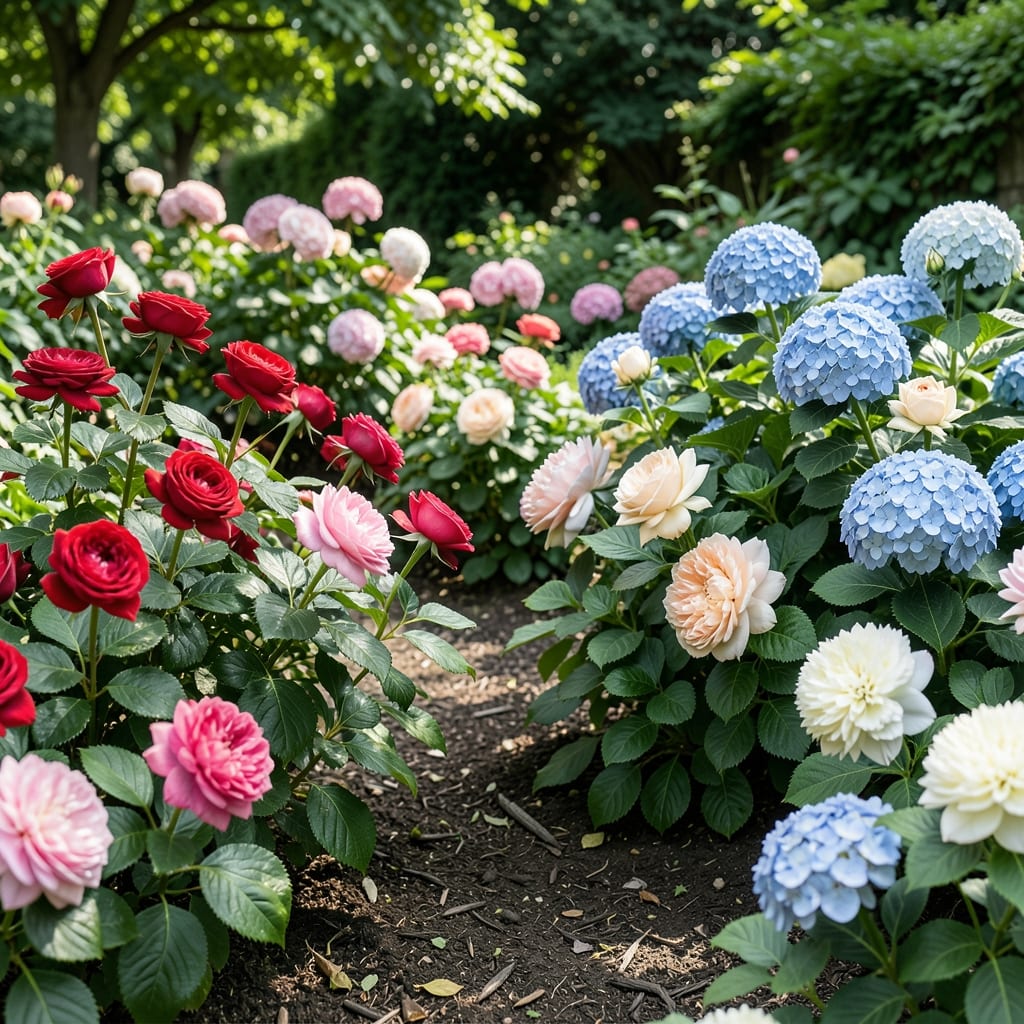
Portsmouth NH Botanical Gardens feature diverse native plants, themed gardens, and seasonal displays across scenic outdoor spaces, offering educational tours and tranquil nature walks.
I love how these gardens showcase New England’s native flora in thoughtfully designed spaces. Each area tells a story, from the pollinator-friendly sections to the heritage plant collections. The guided tours add depth, revealing how these ecosystems support local wildlife while providing a peaceful escape for visitors. ✨
Whether you’re a plant enthusiast or just seeking quiet reflection, the seasonal rotations ensure there’s always something new to discover. 🌟
💡 In This Article
The gardens host over 200 native New England species, including rare coastal plants like the seabeach amaranth and beach plum. These aren’t just pretty faces—they’re critical for local pollinators. The butterfly garden alone supports 40+ native butterfly species with carefully selected host plants. 🌟
Each themed section tells an ecological story. The salt marsh garden replicates tidal zones with plants that thrive in brackish water, while the woodland garden features shade-tolerant species like bloodroot and trillium. These layouts help visitors understand how plants adapt to different environments.
Seasonal rotations are a highlight. Spring brings 1,000+ tulips in vibrant patterns, while summer showcases daylilies and cone flowers in full bloom. Fall transforms the space with native asters and goldenrod, creating a living calendar of New England’s growing seasons. ✨
The heritage garden preserves historic varieties used by early settlers, like heirloom roses and medicinal herbs. This isn’t just gardening—it’s living history. Each plant comes with stories about its traditional uses, from dye production to natural remedies. 💫
What makes these collections special is their role in conservation. The gardens participate in seed banking programs, preserving genetic diversity of regional plants. Visitors can see firsthand how native species support local ecosystems, from providing food for caterpillars to stabilizing coastal soil.
Spring brings 1,000+ tulips in May, while summer showcases daylilies in July. Fall is magical with native asters and goldenrod in September. Each season offers unique blooms and colors.
Yes! Free guided tours run every Saturday at 11 AM and 2 PM, lasting 90 minutes. They cover different themes weekly and are included with admission.
The entire space features paved paths and accessible restrooms. Visitors with mobility concerns can explore all garden areas comfortably.
Picnics are welcome! There are designated areas near the entrance perfect for enjoying a meal surrounded by nature.
The gift shop offers native plants for purchase, so you can bring a piece of the experience home. This supports their conservation efforts too.