
Beautiful Plants For Your Interior
Beautiful Plants For Your Interior
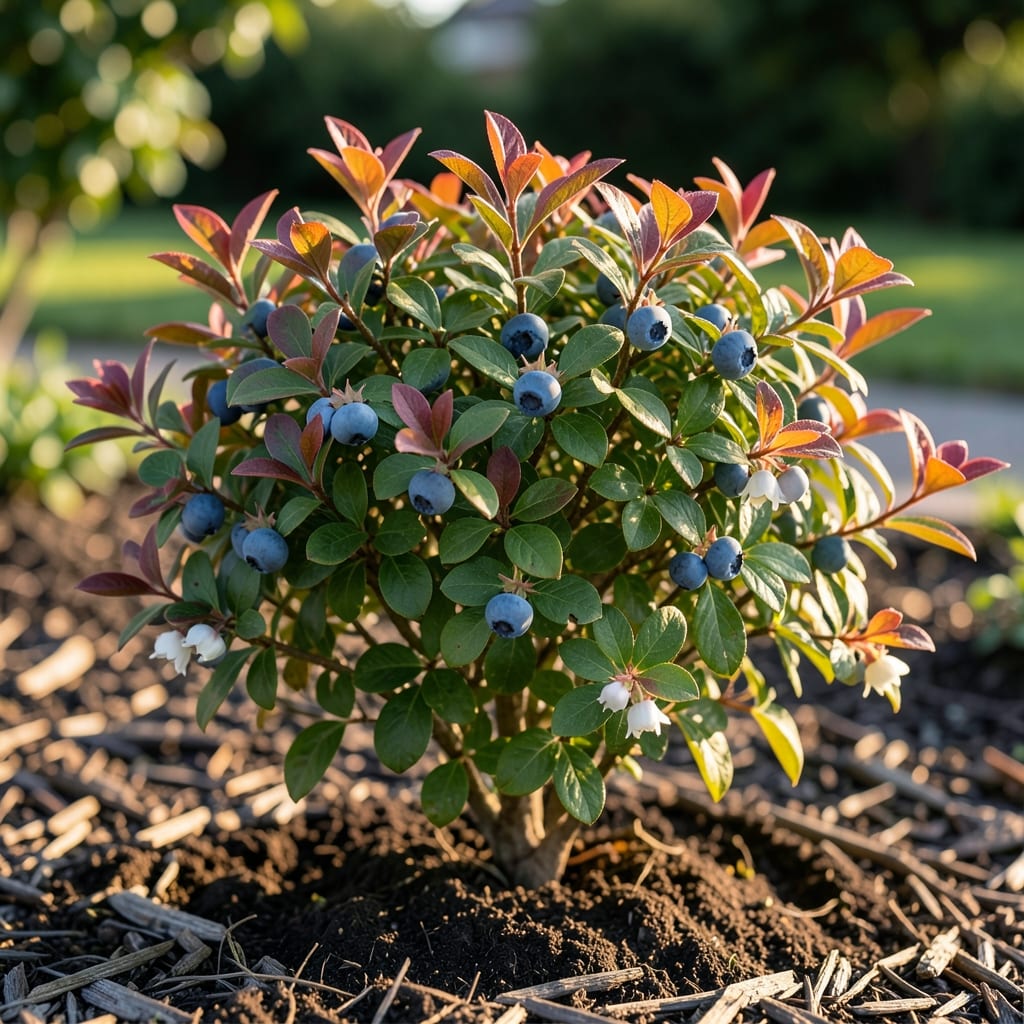
Red leaves on blueberry bushes caught me off guard last season. I’d been checking soil moisture with my finger—like always—but missed the bigger picture until half my plants looked like autumn in July.
The color change usually signals stress, from nutrient deficiencies to environmental shocks. My garden journal helped me trace it back to a pH imbalance in the soil—blueberries need that acidic touch to thrive.
Natural fixes work best: compost for nutrients, mulch to protect roots, and testing your soil before assuming the worst. It’s about working with the plant, not against it.
With the right adjustments, those red leaves turn vibrant green again. The bushes bounce back stronger, and you get a healthier harvest next season.
Blueberry plants turning red often signal an underlying issue, and the causes can vary from environmental to nutritional. Here’s a breakdown of the most common culprits:
Extreme temperatures, especially cold snaps or late frosts, can trigger anthocyanin production—the pigment responsible for red hues in leaves. This is a natural stress response, but prolonged exposure can weaken the plant. Protect plants with frost cloths or mulch to stabilize soil temperature.
A lack of phosphorus or magnesium often causes reddening in blueberry leaves. Phosphorus deficiency typically appears in older leaves first, while magnesium shortages affect younger growth. Test your soil (pH 4.5–5.5 is ideal for blueberries) and amend with compost or a balanced acid-loving plant fertilizer.
Diseases like Phomopsis twig blight or leaf rust can cause red spots or discoloration. These thrive in wet, humid conditions. Improve airflow by pruning dense foliage, and apply copper fungicide preventatively if your region is prone to fungal issues.
While blueberries love sunlight, intense UV rays (especially in young plants) can scorch leaves, turning them red or bronze. Provide partial shade for saplings or use shade netting during peak summer hours to prevent damage.
Blueberries require highly acidic soil. If the pH drifts above 5.5, nutrient uptake (like iron) is blocked, leading to reddening. Use a soil pH meter and amend with sulfur or pine bark to lower pH if needed.
If your blueberry plants are turning red, don’t panic—there are simple fixes for each underlying cause. Below are targeted solutions to restore their vibrant green health, along with prevention tips to keep problems at bay.
Red leaves often signal a lack of nitrogen or magnesium. Apply a balanced, acid-loving fertilizer (10-10-10 or 12-4-8) formulated for blueberries. For magnesium, sprinkle Epsom salt (1 tablespoon per gallon of water) around the base monthly. Prevention tip: Test soil annually and amend with compost to maintain nutrient balance. 💡
Late-season cold snaps can trigger reddening. Protect plants with frost cloth or move potted blueberries indoors temporarily. Mulch heavily with straw or pine needles to insulate roots. Prevention tip: Plant cold-hardy varieties (e.g., ‘Patriot’ or ‘Bluecrop’) and avoid early spring pruning, which stimulates tender new growth. ❄️
Overwatering or drought stress can cause red hues. Check soil moisture—it should feel damp but not soggy. Water deeply 1–2 times weekly (more in extreme heat), and ensure pots have drainage holes. Prevention tip: Use drip irrigation to keep foliage dry and prevent fungal issues. 💦
Too much direct sun or incorrect soil pH (aim for 4.0–5.5) can stress plants. Provide afternoon shade in scorching climates and amend soil with sulfur or peat moss to lower pH. Prevention tip: Plant in a spot with morning sun and dappled afternoon light. ✨
Pro tip: Yellowing and reddening? Combine pH correction with a nitrogen boost for faster recovery!
Not always. Some varieties naturally develop red tones in fall or during cold snaps. But sudden reddening in summer often signals stress from nutrient deficiencies or pH imbalance.
New growth typically returns to green within 2-3 weeks after correcting soil pH or adding nutrients. Severely stressed plants may take a full season to bounce back.
No. Blueberries need acidic soil (pH 4.0-5.5). Regular garden soil is often too alkaline. Mix in peat moss or pine bark to create the right conditions.
Use a digital pH meter for instant results, or send a sample to your local extension office for a detailed analysis. Home test kits work but may be less precise.