
Beautiful Plants For Your Interior
Beautiful Plants For Your Interior
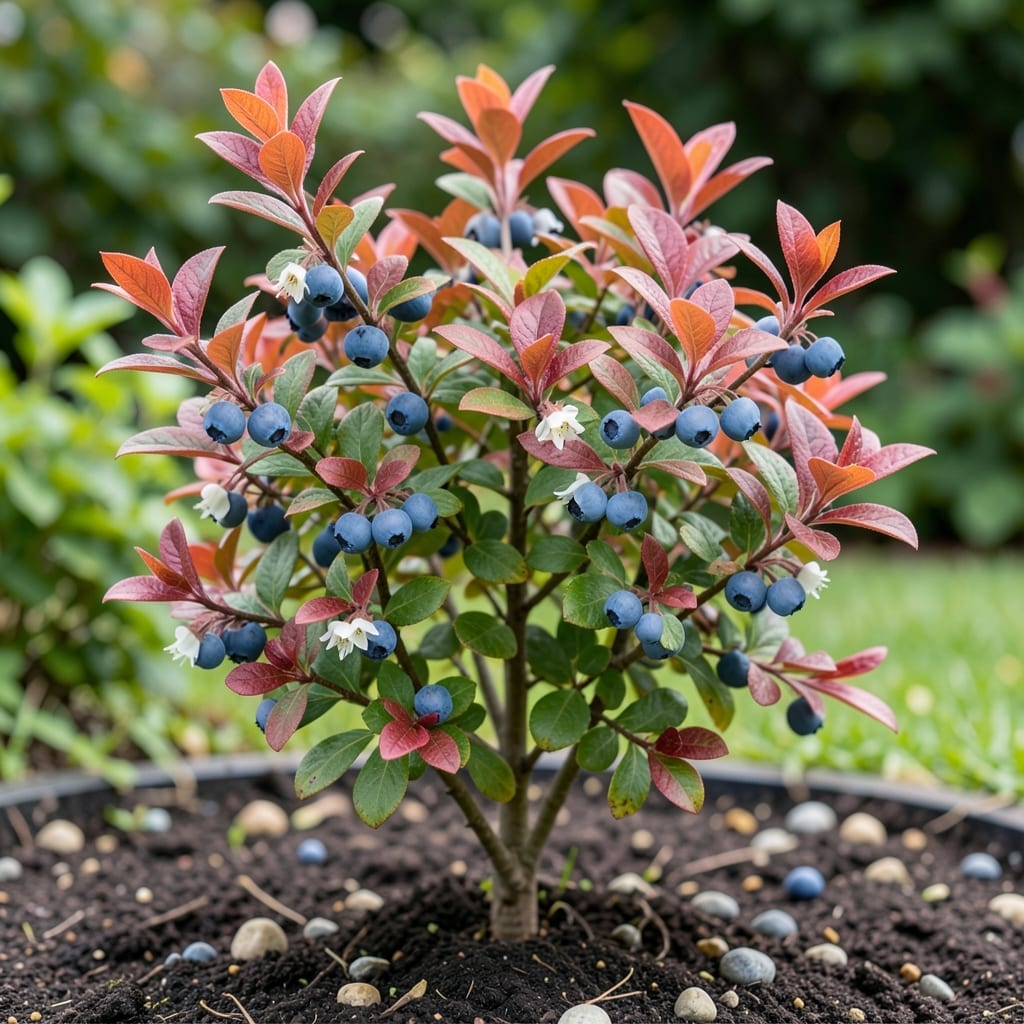
Red leaves on blueberry bushes usually signal a soil pH problem. I’ve seen this happen when the soil becomes too alkaline, locking out essential nutrients like iron that blueberries need to stay green.
The fix starts with a simple soil test. Blueberries thrive in acidic soil with a pH between 4.0 and 5.5. If your test shows higher numbers, it’s time to amend the soil with sulfur or peat moss.
You’ll notice the difference within 2-3 weeks as new growth returns to its normal green. Regular testing and amendments keep the pH in check, preventing future color changes.
Seasonal shifts can also cause temporary reddening in fall, but soil pH is the most common culprit worth addressing first.
When your blueberry bush turns red, it’s often a sign of underlying stress or environmental changes. Here are the most common causes, broken down for clarity:
Blueberries thrive in acidic soil (pH 4.0–5.5). If the pH rises above 6.0, the plant struggles to absorb iron, leading to chlorosis—where leaves turn yellow or red due to lack of chlorophyll. Test your soil with a kit and amend with sulfur or peat moss to lower pH.
Extreme heat or cold can trigger anthocyanin production, the pigment responsible for red hues. If temperatures drop below 25°F (-4°C) or soar above 90°F (32°C), leaves may redden as a protective response. Mulch and shade cloth can mitigate this.
Lack of nitrogen, phosphorus, or magnesium can cause reddening. Nitrogen deficiency often starts in older leaves, while phosphorus affects younger growth. Use a balanced, acid-loving plant fertilizer to restore nutrients.
Diseases like red leaf spot or powdery mildew can turn foliage red or purple. Look for spots or white powdery residue. Treat with fungicides and improve air circulation to prevent recurrence.
If your blueberry bush has turned red, don’t panic! Here are the most common causes and their practical fixes, along with prevention tips to keep your plant thriving.
Fix: Blueberries need acidic soil (pH 4.5–5.5). Test your soil with a pH kit. If it’s too alkaline, amend it with elemental sulfur or peat moss. For a quick boost, water with a vinegar solution (1 cup white vinegar per gallon of water) every few weeks until pH stabilizes.
Prevention: Mulch with pine needles or oak leaves annually to maintain acidity naturally.
Fix: Inconsistent watering can stress the plant, leading to reddening. Ensure the soil stays evenly moist but not soggy. Water deeply 1–2 times per week (more in extreme heat). Use a drip irrigation system for consistent moisture.
Prevention: Apply a 2–3 inch layer of organic mulch to retain moisture and regulate soil temperature.
Fix: Red leaves often signal a phosphorus or magnesium deficiency. Apply a balanced, acid-loving plant fertilizer (e.g., 10-10-10 for blueberries) or organic options like bone meal (for phosphorus) or Epsom salt (1 tbsp per gallon of water for magnesium).
Prevention: Fertilize in early spring and again after harvest. Avoid high-nitrogen fertilizers, which can worsen imbalances.
Fix: If leaves redden due to excessive sun or frost, provide temporary shade with a cloth or move potted plants to a sheltered spot. For cold stress, wrap the bush in burlap or use a frost blanket in winter.
Prevention: Plant blueberries in a location with partial afternoon shade in hot climates, and choose cold-hardy varieties for your region.
💡 Pro Tip: Always test soil before amending—guessing can make problems worse! A simple pH test kit is a small investment for healthy, productive bushes.
No, some reddening in fall is normal as plants prepare for winter dormancy. However, sudden or widespread red leaves during growing season usually indicate stress like pH imbalance or nutrient deficiency.
Use a $10-15 soil test kit from garden centers. Collect samples from 4-6 inches deep near the root zone for accurate results. Retest every 2-3 months during the growing season.
Yes, soggy soil restricts oxygen to roots, leading to nutrient uptake issues. Ensure your planting area has good drainage and water only when the top 1-2 inches of soil feel dry.
New growth should return to normal color within 2-3 weeks of correcting pH or nutrient issues. Existing red leaves typically won’t revert but will fall off during natural leaf turnover.