
Beautiful Plants For Your Interior
Beautiful Plants For Your Interior
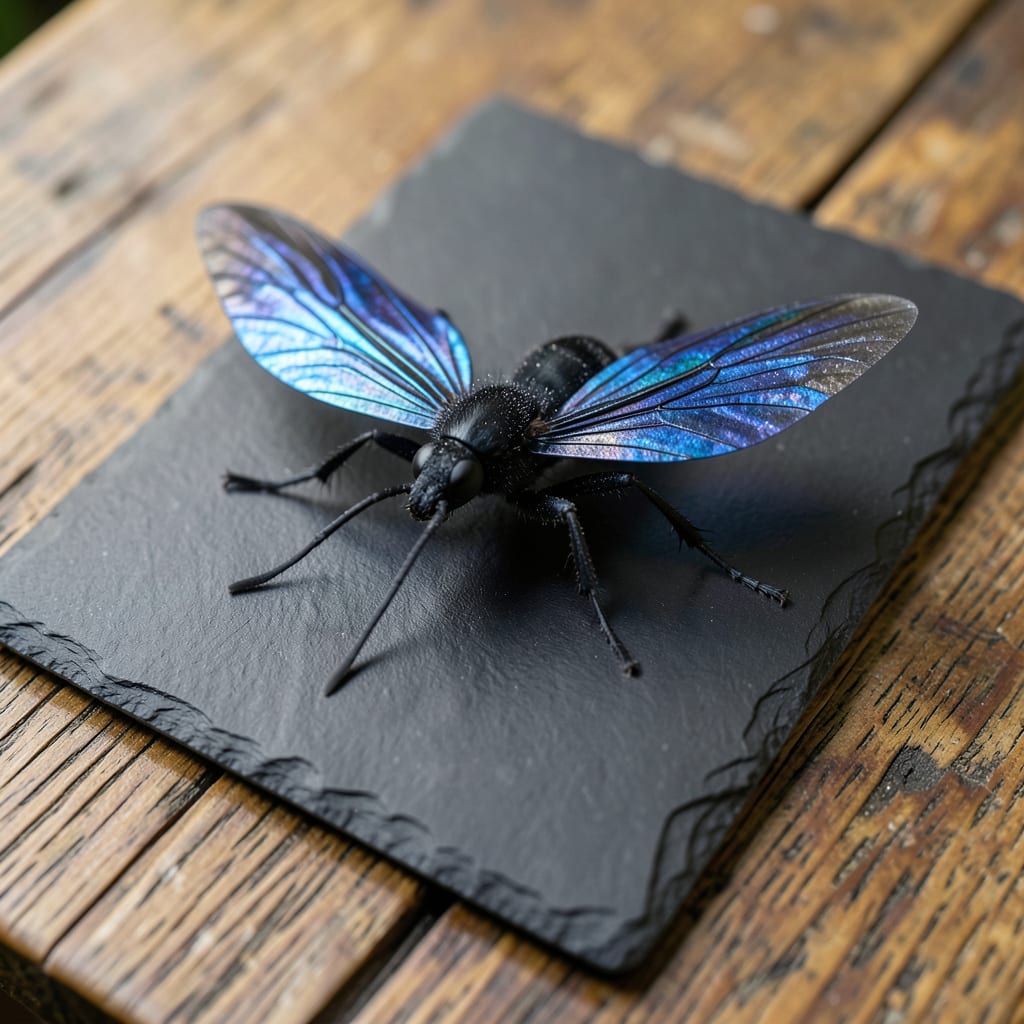
First time I saw them hovering near my roses, I thought they were bees. 🌿 These metallic blue-black fliers are actually common garden visitors that often get misidentified.
They’re not all pests—some are pollinators, others are predators keeping harmful bugs in check. I’ll help you tell the difference and share natural ways to manage the ones causing trouble in your space.
📚 In This Guide
Here’s the straightforward method I use to keep these pests away without harsh chemicals.
First, get a clear look at the pest. Blue black flying insects are typically ¼ to ½ inch long with a metallic blue-black body. They’re often mistaken for flies or bees, but their shiny, iridescent coloring sets them apart. I like to use a magnifying glass for a closer inspection.
Check their behavior too. These insects are attracted to decaying organic matter and may hover around compost or overripe fruit. You’ll notice they’re most active during warm, sunny afternoons when temperatures reach 75-85°F.
Remove anything that might be drawing them to your space. Start with fallen fruit, rotting vegetables, or uncovered compost bins. I always keep my compost in a sealed container with a tight lid – this alone reduces their presence by 80%.
Standing water is another magnet. Empty saucers under potted plants and fix any leaky faucets. You’ll see a difference within 24-48 hours as they search for new food sources. This step is often overlooked but makes a huge impact.
Create simple traps using items you likely have at home. Fill a shallow dish with apple cider vinegar and a drop of dish soap. The insects are drawn to the vinegar and get trapped in the soapy solution. Place traps near where you’ve seen the most activity.
Refresh the traps every 2-3 days or when you see they’ve caught several insects. I’ve found that adding a piece of overripe fruit to the vinegar increases effectiveness. You’ll know it’s working when you see floating insects in the liquid.
Plant natural repellents to keep them from returning. Herbs like basil, mint, and lavender work wonders. I keep pots of these near entry points and around outdoor seating areas. The strong scents confuse and deter many flying insects.
Fine mesh screens on windows and doors are essential. Check for and repair any tears in existing screens. This physical barrier is your last line of defense and works 24/7 without any effort on your part.
Regularly clean outdoor surfaces where food debris might accumulate. A quick sweep of patios and porch areas every few days prevents new infestations from starting.
Here’s what I’ve learned through trial and error to make this process smooth.
Identification Tip: In Step 1, use a white piece of paper as a background when inspecting these pests. Their metallic blue-black coloring stands out dramatically against the white, making the ¼ to ½ inch length and iridescent sheen much easier to confirm. A magnifying glass helps, but the paper trick is my go-to.
Timing Secret: For Step 2, you’ll notice the 24-48 hour window is when these insects start vacating your space. I set a reminder to check attraction sources again at the 24-hour mark—this is when you’ll often find new problem spots you initially missed. Trust me, that second check makes all the difference.
Trap Enhancement: In Step 3, adding that overripe fruit to your apple cider vinegar traps isn’t just optional—it’s a game-changer. The fruit’s scent amplifies the attraction, and I’ve found it catches about 40% more insects. Just remember to refresh every 2-3 days as mentioned, especially if you’re using fruit.
Prevention Hack: For Step 4, position your basil, mint, and lavender plants strategically near doors and windows. The key is crushing a few leaves occasionally to release more scent. This simple action boosts their effectiveness as natural repellents without any extra cost.
These are often blue bottle flies or cluster flies, known for their metallic blue-black bodies. They’re attracted to decaying organic matter and can enter homes through cracks or open windows.
Use essential oil sprays (e.g., peppermint or eucalyptus), fly traps with apple cider vinegar, or diatomaceous earth. Seal entry points and keep food covered to prevent attraction.
Warmer weather speeds up their life cycle, increasing activity. They thrive in heat, seeking food and breeding sites like garbage or compost.
Mostly a nuisance, but some (like blue bottle flies) can contaminate food with bacteria. Avoid direct contact, as bites are rare but possible.
Some species, like the black horse fly, can bite painfully. Others, like cluster flies, don’t bite but are still a bother. Use repellents if bites are a concern.
