
Beautiful Plants For Your Interior
Beautiful Plants For Your Interior
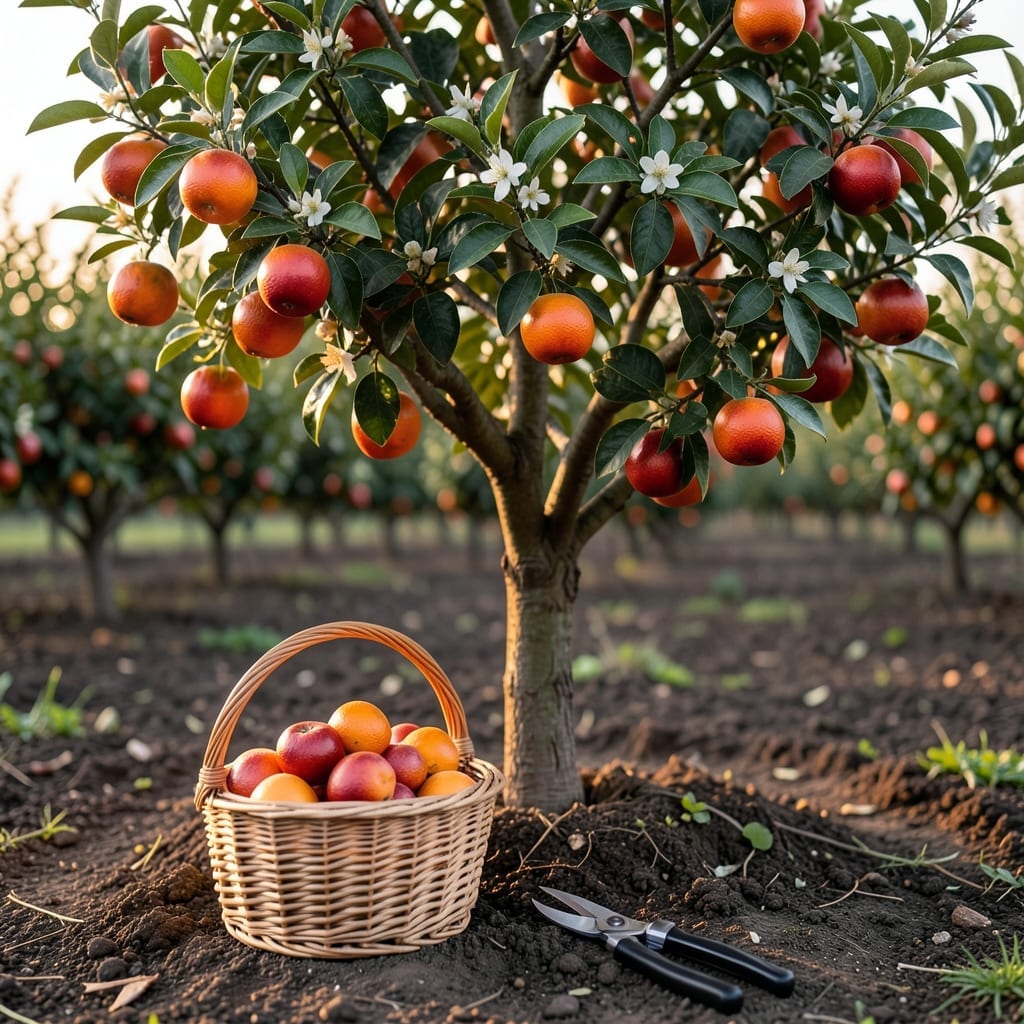
Blood orange juice offers a vibrant, sweet-tart flavor with berry-like notes, rich in vitamin C and antioxidants. Its deep red hue comes from anthocyanins, unique to this citrus variety.
I love how this citrus stands out from regular oranges with its complex taste and striking color. The anthocyanins not only create that beautiful ruby-red shade but also pack extra health benefits, like reducing inflammation. It’s perfect for brightening up drinks, dressings, or even glazes for meats. ✨
What makes it special is how the cold weather during growing season intensifies both the color and the flavor compounds. This means winter-harvested blood oranges give you the most vivid juice with the richest taste. 💫
💡 In This Article
The deep red color comes from anthocyanins, a type of flavonoid pigment that develops when blood oranges experience cold nights during ripening. These compounds are rare in citrus but abundant in varieties like Moro, Tarocco, and Sanguinello, giving their juice that signature ruby hue.
Anthocyanins act as natural antioxidants, which is why the juice packs more free-radical-fighting power than regular orange juice.
Temperature plays a crucial role in color intensity. When nights drop below 55°F during the growing season, anthocyanin production ramps up dramatically. This is why winter-harvested blood oranges from regions like Sicily or California produce the most vibrant juice. The colder the conditions, the deeper and richer the red pigment becomes. ✨
Beyond color, these pigments contribute to the complex flavor profile. Anthocyanins add subtle berry-like notes that you won’t find in standard oranges. They also enhance the juice’s nutritional value, offering anti-inflammatory benefits and supporting heart health. This makes blood orange juice not just visually stunning but functionally superior to regular citrus juices.
The concentration of anthocyanins can vary significantly between varieties. Moro blood oranges typically contain the highest levels, producing juice so dark it’s nearly purple. Tarocco oranges, while still red, have lower anthocyanin content and yield a lighter, more orange-hued juice. This variation explains why juice color can range from deep crimson to soft blush.
What’s fascinating is that anthocyanins are pH-sensitive. In acidic environments like citrus juice, they appear red, but in alkaline conditions, they shift toward blue or purple. This chemical property is why the juice maintains its vibrant color in acidic recipes but may change hue when mixed with basic ingredients.
These pigments also provide natural protection against oxidation. When you store fresh blood orange juice, the anthocyanins help preserve its color and nutritional value longer than regular orange juice. This makes it an excellent choice for recipes requiring fresh citrus juice that needs to maintain its visual appeal. 💫
Store it in an airtight container in the fridge for up to 3 days. For longer storage, freeze in ice cube trays to preserve color and flavor.
Anthocyanins, natural pigments that develop in cold weather during ripening. These same compounds give the juice its berry-like notes and extra antioxidants.
Yes, but expect a more complex taste. Its sweet-tart profile with subtle berry notes works well in cocktails, marinades, and dressings.
Moro blood oranges produce the deepest, almost purple juice due to their high anthocyanin content. Tarocco varieties yield a lighter red hue.