
Beautiful Plants For Your Interior
Beautiful Plants For Your Interior
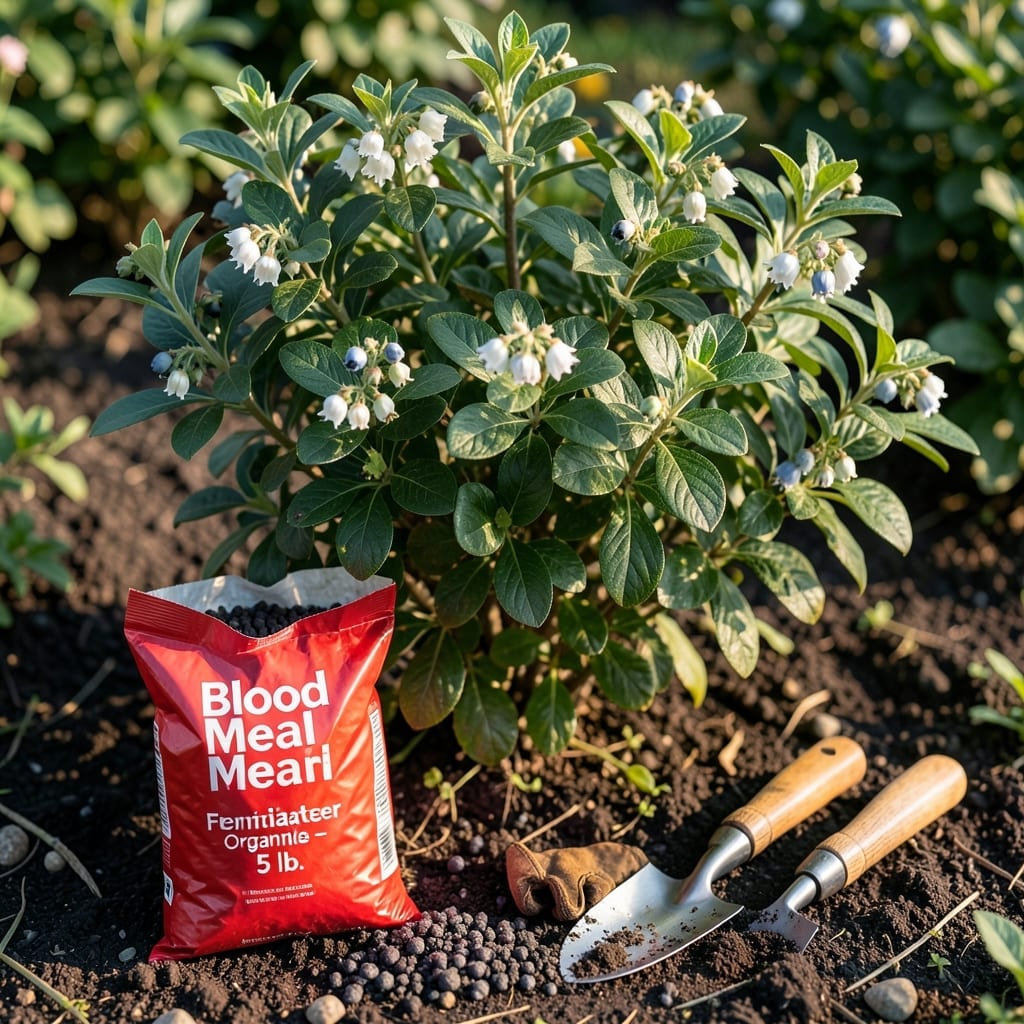
If your 🫐 Blueberry bushes aren’t thriving like they should, the soil might be missing a key ingredient. Acid-loving plants like these need more than just water and sunlight to produce those sweet, juicy berries we all love.
I discovered that the right fertilizer can make all the difference. It’s not just about feeding the plant – it’s about creating the perfect growing environment where it can truly flourish.
After testing various approaches, I found a natural solution that transforms lackluster bushes into productive powerhouses. The change in my garden was dramatic and happened faster than I expected.
Discover how to give your Blueberries exactly what they need to grow bigger, healthier, and more productive than ever before. Your taste buds will thank you.
I’ve found that blood meal is a powerhouse for blueberry bushes, especially when they’re struggling in less-than-ideal soil. This natural fertilizer is derived from dried animal blood and packs a serious nitrogen punch, which is essential for leafy growth. 🌿
What makes it a game-changer is its ability to lower soil pH over time, creating the acidic environment blueberries crave. Unlike synthetic fertilizers, it’s organic and gently releases nutrients without risking chemical burn. 🌱
| Benefit | Impact on Blueberries |
|---|---|
| High Nitrogen | Promotes lush foliage and vigorous growth |
| Soil Acidification | Lowers pH 4.5-5.5 range ideal for blueberries |
| Organic Matter | Improves soil structure and microbial activity |
| Quick Release | Delivers immediate nutrients for fast results |
I noticed a dramatic difference in my blueberry plants after just a few weeks of using blood meal. The leaves turned a deeper green, and the bushes started producing more flower buds, which meant more berries later in the season. ✂️
One of the biggest advantages is how it replenishes nitrogen quickly, which is often depleted in garden soil. This is especially helpful for container-grown blueberries, where nutrients can wash out faster with frequent watering.
I also appreciate that blood meal is cost-effective and easy to find at most garden centers. A little goes a long way, so a single bag can last me an entire growing season for multiple bushes.
For best results, I apply it in early spring just as the buds are swelling, then again after harvest to support next year’s growth. This timing ensures the plants get the nutrient boost when they need it most.
It’s important to test your soil pH first, as blood meal can make the soil too acidic if overused. I use a simple soil test kit to monitor levels and adjust my application accordingly. 🌡️
Another tip: always water thoroughly after applying blood meal to help it break down and prevent any potential nitrogen burn to the roots. This also helps distribute the nutrients evenly throughout the soil.
I’ve found that combining blood meal with other organic amendments like compost or peat moss creates the perfect growing medium for blueberries. This combo provides both the acidity and the nutrient diversity these plants need to thrive.
Applying blood meal to blueberries requires precision to avoid over-fertilizing. I always start by testing my soil pH to ensure it’s between 4.5 and 5.5, the ideal range for these acid-loving plants.
Timing is everything. Early spring or late winter is perfect, just before new growth appears. This gives the nitrogen boost time to work as the plants wake up.
For new plantings, I mix 1 cup of blood meal into the soil at planting time. This gives young roots immediate access to essential nitrogen while the plant establishes.
Remember that blood meal is fast-acting, so I avoid using it in hot weather as it can stress plants. Always water deeply after application to prevent root burn.
I’ve found that light applications work best. Too much can lower pH too quickly, creating an unfavorable environment for my blueberries. It’s better to use less and reapply as needed.
Finally, I combine blood meal with organic matter like compost for a balanced approach. This ensures my blueberries get both the acidic conditions and nutrients they need for optimal growth.
🌿