
Beautiful Plants For Your Interior
Beautiful Plants For Your Interior
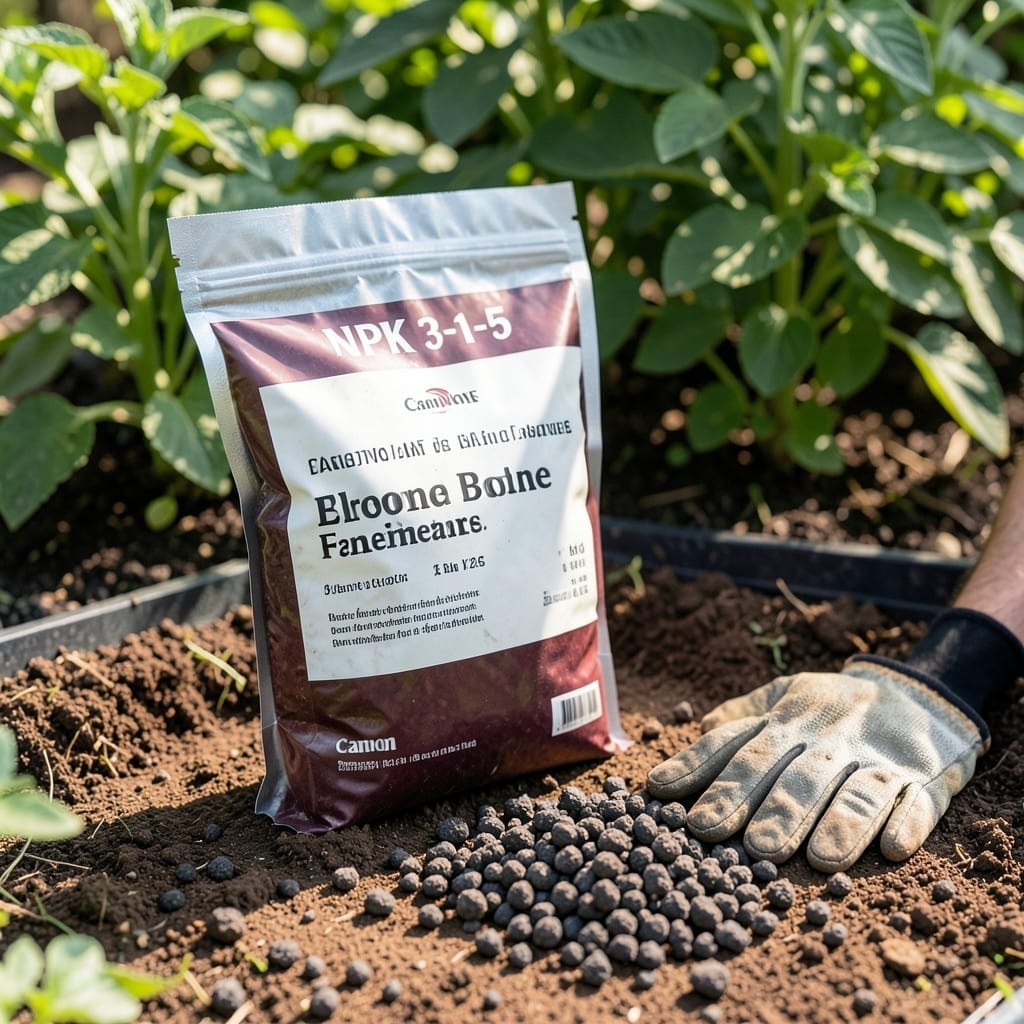
Blood and bone meal typically has an NPK ratio of 3-15-0, providing moderate nitrogen for leaf growth and high phosphorus for root development and flowering.
I love using this organic fertilizer because the 3-15-0 balance is perfect for early plant stages. The nitrogen supports lush foliage while the phosphorus gives roots the boost they need. 🌟 It’s especially effective for bulbs and blooming plants that demand extra energy underground.
Just remember, the lack of potassium means you might need to supplement with other amendments for overall plant health. ✨
💡 In This Article
The nitrogen in blood and bone meal comes from dried animal blood, typically containing 12-14% crude protein that breaks down into plant-available forms. This component fuels leafy growth by supporting chlorophyll production. Meanwhile, the phosphorus originates from ground animal bones, which contain 20-25% phosphorus pentoxide that slowly releases into the soil. 🔥
What makes this fertilizer unique is its phosphorus dominance. The 15% phosphorus concentration promotes strong root systems and abundant flowering, making it ideal for bulbs, perennials, and fruiting plants. The nitrogen content, while lower at 3%, still provides steady vegetation support without overstimulating leafy growth at the expense of roots. ✨
Interestingly, the absence of potassium (0%) means this isn’t a complete fertilizer. Potassium is crucial for disease resistance and fruit quality, so you’ll often need to supplement with wood ash or greensand. The slow-release nature of bone-derived phosphorus means it can feed plants for 4-6 months after application. 💫
The nutrient release rates differ between components. Blood meal’s nitrogen becomes available within 2-4 weeks, while bone meal’s phosphorus may take 2-3 months to fully break down. This staggered release creates a balanced feeding pattern that supports plants throughout their growth cycle. ⚡
For best results, consider your plant’s growth stage. Early in the season when establishing roots, the high phosphorus is perfect. Later, when you want to boost flowering or fruiting, the continuing phosphorus release combined with steady nitrogen provides excellent support for reproductive growth. 🌟
Blood and bone meal is naturally low in potassium because its components focus on other nutrients. The blood provides nitrogen, while bones supply phosphorus. You’ll need to add wood ash or greensand to complete the nutrient profile.
Blood meal releases nitrogen in 2-4 weeks, while bone meal’s phosphorus takes 2-3 months to fully break down. This staggered release supports plants throughout their growth cycle.
Yes, overusing it can lead to phosphorus buildup in soil. Stick to recommended rates: 1-2 cups per plant or 1 cup per 10 sq ft for gardens. Always test soil first if unsure.
It’s great for root crops, bulbs, and flowering plants but may be too strong for delicate seedlings. Avoid using on phosphorus-sensitive plants like some native species.