
Beautiful Plants For Your Interior
Beautiful Plants For Your Interior
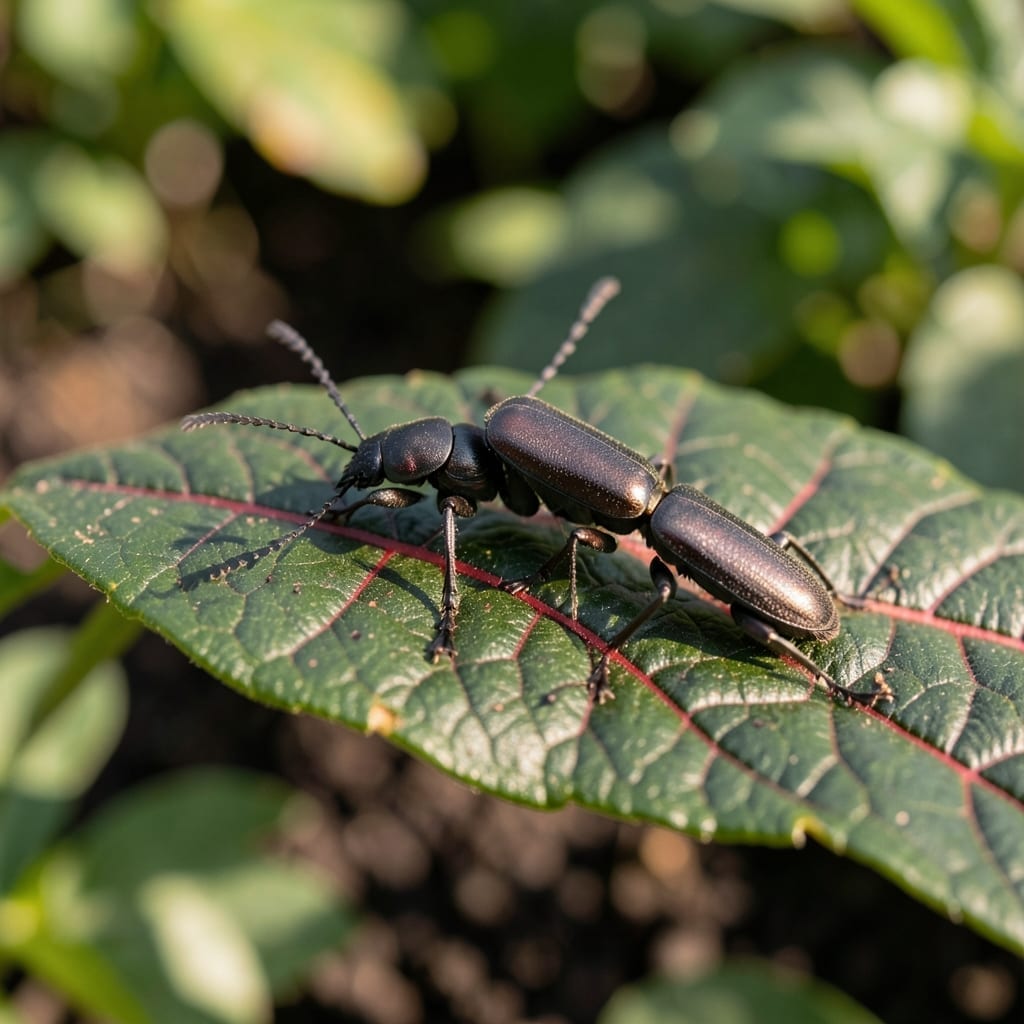
Blister beetles in your pasture can be deadly for horses. I learned this the hard way when my neighbor’s mare nearly died from eating contaminated hay.
These pests contain a toxin called cantharidin that causes severe internal damage. The beetles often end up in hay bales during harvest, making it crucial to inspect feed carefully.
You’ll spot them by their elongated bodies and soft wings, but they’re tricky—they blend in with grass and alfalfa. Prevention starts with knowing what to look for.
Protecting your horses means vigilance at every stage, from field to feeder. Here’s how to keep them safe.
Blister beetles pose a serious risk to horses due to a natural toxin they produce. Understanding why this happens is key to preventing poisoning in equines. Below are the primary causes behind blister beetle toxicity in horses.
Blister beetles contain cantharidin, a potent vesicant toxin that causes severe irritation and blistering in tissues. When horses ingest these beetles—often accidentally while eating alfalfa hay—the toxin is released, leading to cantharidiasis. Even small amounts (as few as 5–10 beetles) can be fatal, as cantharidin disrupts cellular function and causes widespread damage to the digestive and urinary systems.
Blister beetles are drawn to blooming alfalfa fields, where they feed and mate. During hay harvesting, beetles can be crushed into the bale, making them invisible but still toxic. Crushing the beetles does not neutralize cantharidin—it merely distributes the toxin throughout the hay. Horses eating contaminated hay unknowingly ingest the toxin, leading to poisoning.
Improper hay-cutting practices increase the risk of blister beetle contamination. Cutting alfalfa during or just after blooming (when beetles are most active) or using flail mowers (which pulverize beetles into the hay) heightens exposure. Additionally, late-cut hay is more likely to harbor beetles, as they seek moisture and food in maturing plants.
Blister beetles often swarm in large groups, particularly in warm, dry conditions. A single alfalfa field can host thousands of beetles, making contamination more likely. Species like the Epicauta vittata (striped blister beetle) are especially problematic in North America, as they congregate in hay fields and are highly toxic to horses.
Blister beetles can cause serious harm to horses, but there are clear steps you can take to address and prevent the problem. Below are practical solutions based on common causes, along with prevention tips to keep your horse safe.
Blister beetles often hide in alfalfa hay, so inspect hay carefully before feeding. Shake out flakes and look for clusters of small, striped beetles. If you find them, remove the contaminated hay immediately and dispose of it safely. To prevent this, purchase hay from trusted suppliers who follow proper harvesting and drying practices to minimize beetle infestations.
Prevention Tip: 💡 Store hay in a dry, elevated area to deter beetles from nesting.
If your horse grazes in fields where blister beetles are common, limit their access during peak beetle activity (late summer to early fall). Mow pastures regularly to reduce beetle populations, and consider rotating grazing areas. Use insecticides labeled for pasture use, but ensure horses are kept off treated areas for the recommended time.
Prevention Tip: 🌡️ Monitor pastures for beetle activity, especially after rain, as moisture can attract them.
If you suspect your horse has ingested blister beetles, act quickly. The toxin, cantharidin, causes severe irritation and can be fatal. Contact your vet immediately if you notice symptoms like colic, diarrhea, or oral ulcers. Treatment may include supportive care, pain management, and IV fluids.
Prevention Tip: ✨ Keep a close eye on your horse’s behavior and appetite, especially after feeding hay or allowing them to graze in new areas.
By staying vigilant and taking these steps, you can significantly reduce the risk of blister beetle poisoning in your horse.
Look for small, 1/2-inch beetles with soft wings and striped or solid-colored bodies. Shake hay flakes vigorously before feeding to reveal hidden beetles. They often cluster in blooming alfalfa sections.
Early symptoms include drooling, pawing at the mouth, and colic. Within 2-6 hours, you may see diarrhea, frequent urination, or lethargy. Immediate vet care is critical.
Yes, with prompt treatment. Survival depends on the toxin amount ingested and how quickly treatment begins. Vets typically use activated charcoal, IV fluids, and pain management.
Not necessarily. Organic or conventional hay can both contain beetles. The key is proper harvesting timing and thorough inspection, not farming method. Always check each bale carefully.