
Beautiful Plants For Your Interior
Beautiful Plants For Your Interior
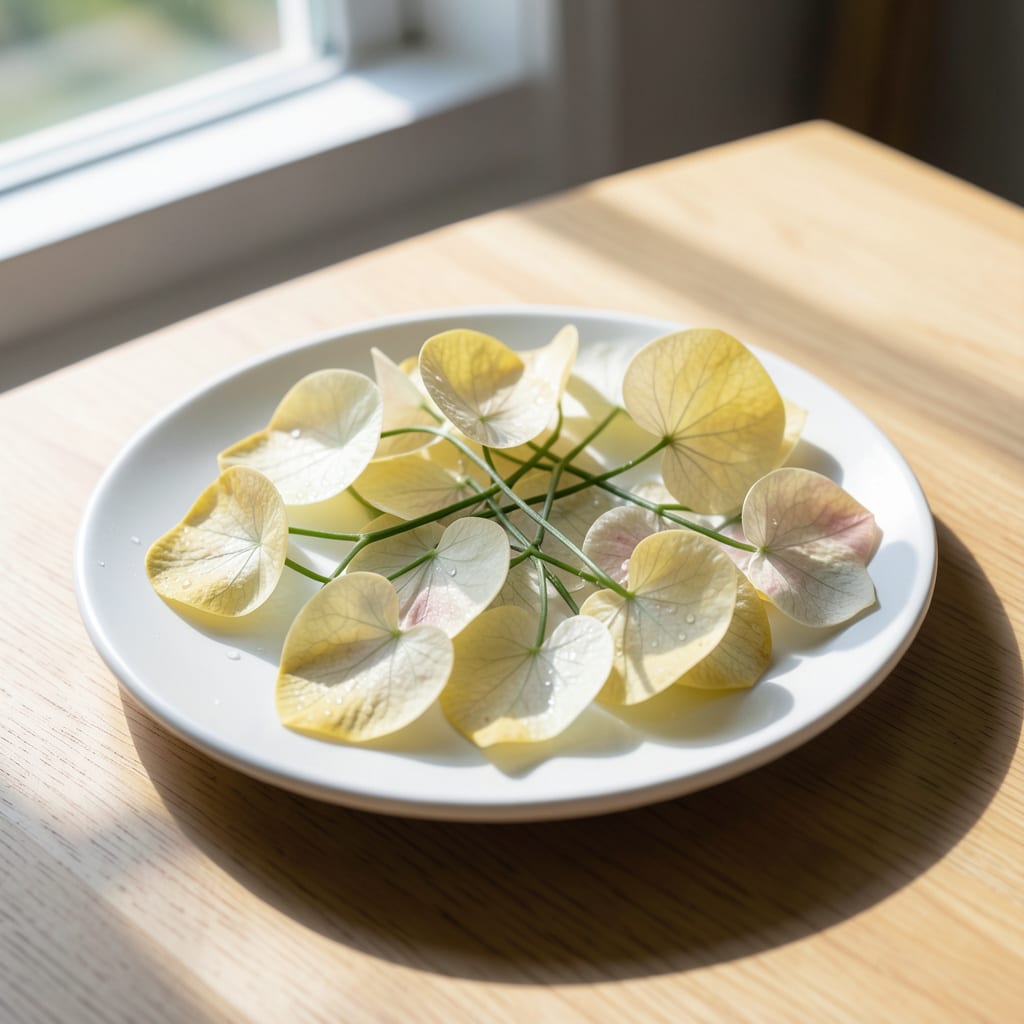
Those yellow leaves on your bleeding heart aren’t just sad to see—they’re a cry for help. I’ve learned the hard way that this plant doesn’t yellow for no reason, and the fix is usually simpler than you think.
Overwatering, poor drainage, or a nitrogen deficiency will turn leaves yellow fast. The good news? Most issues reverse within 2-3 weeks once you correct the problem. Start by checking the soil—it should be moist but never soggy.
You’ll know you’re on the right track when new growth emerges deep green and healthy. The key is matching the solution to the specific cause, whether it’s adjusting care or amending the soil.
Works for potted or in-ground plants, and the same principles apply to most perennials. Here’s how to diagnose and fix it for good.
Bleeding heart plants (Dicentra spectabilis) develop yellow leaves due to several stress factors. Below are the primary causes, explained with actionable insights.
Excess moisture suffocates roots, preventing oxygen uptake. This leads to root rot, where fungal pathogens (e.g., Phytophthora) attack the plant. Yellowing starts at the base and spreads upward. Fix: Ensure well-draining soil and reduce watering frequency.
A lack of nitrogen causes uniform yellowing (chlorosis) in older leaves, while iron or magnesium deficiency affects younger foliage first. Test soil pH (ideal: 6.0–7.0) and amend with compost or a balanced fertilizer.
Bleeding hearts thrive in partial shade. Direct sunlight scorches leaves, turning them yellow or brown. Relocate the plant to a shadier spot or use shade cloth during peak hours.
Aphids and spider mites sap nutrients from leaves, causing stippling and yellowing. Inspect undersides of leaves and treat with insecticidal soap or neem oil.
Extreme heat or cold disrupts chlorophyll production. In summer, mulch to retain moisture; in winter, protect with a layer of organic mulch to insulate roots.
Here’s how to nurse your bleeding heart back to health, starting with the most common causes of those yellow leaves.
Fix: Let the soil dry out slightly between waterings. Check the top inch of soil—if it’s still damp, hold off. Repot the plant in well-draining soil and a container with drainage holes if root rot is suspected. Trim any mushy, black roots before replanting.
Prevention: Water only when the topsoil feels dry. Use a pot with drainage holes and a saucer to catch excess water. 💡 Pro tip: A moisture meter can help avoid guesswork.
Fix: Test your soil with a kit (available at garden centers). If nitrogen is low, apply a balanced, slow-release fertilizer (10-10-10). For iron deficiency (yellowing between veins), use a chelated iron supplement or amend the soil with compost.
Prevention: Feed your bleeding heart with a light dose of fertilizer in early spring and again after flowering. Avoid over-fertilizing, which can burn roots.
Fix: Move potted plants to a shadier spot, especially during the hottest part of the day. For in-ground plants, add a layer of mulch to retain moisture and cool the roots. Trim back any nearby plants casting too much shade if the issue is under-exposure.
Prevention: Plant bleeding hearts in partial to full shade, especially in warmer climates. Water deeply during dry spells.
Fix: Inspect leaves for aphids, slugs, or snails. Blast aphids off with water or use insecticidal soap. For slugs and snails, set up beer traps or use organic slug bait. Remove heavily infested leaves to prevent spread.
Prevention: Keep the garden clean of debris where pests hide. Encourage beneficial insects like ladybugs with companion planting (e.g., marigolds).
Yes, too much water suffocates roots and leads to rot. Check soil by sticking your finger 1 inch deep—if it’s damp, wait to water. Ensure pots have drainage holes.
Test soil pH first (aim for 6.0-7.0). Add compost or a 10-10-10 fertilizer for nitrogen. For iron deficiency, use chelated iron supplements.
Severely damaged leaves won’t recover, but new growth will. Fix the underlying issue (water, nutrients, or light), and healthy green leaves should appear within 2-3 weeks.
Aphids and spider mites are common culprits. Inspect leaf undersides and treat with insecticidal soap or neem oil. Prevent infestations by keeping the garden debris-free.
