
Beautiful Plants For Your Interior
Beautiful Plants For Your Interior
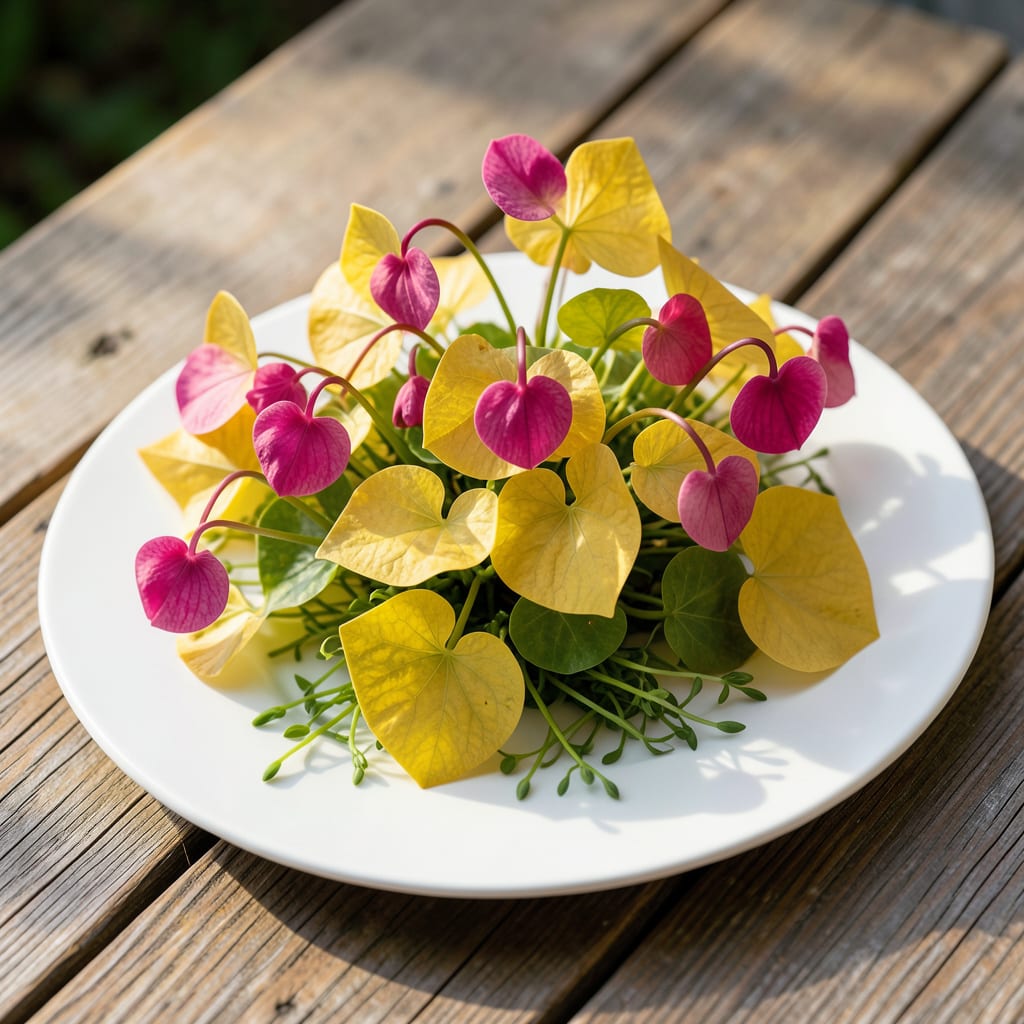
That sinking feeling when your bleeding heart’s leaves turn yellow? I’ve been there—watching vibrant green fade to sickly gold overnight. It’s not just unsightly; it’s your plant waving a white flag.
Here’s the thing—yellow leaves usually mean stress, and bleeding hearts are drama queens about their conditions. Too much water, too little light, or hungry roots will trigger the color change faster than you can say “what’s wrong with my garden?”
You’ll fix this faster than you think. A soil test, some shade adjustment, or a feeding schedule tweak often brings the vibrant green back within 2-3 weeks. The key is catching it early.
Prevention beats cure every time. Once you understand the triggers, you’ll spot the warning signs before the yellow even appears.
The vibrant foliage of a bleeding heart (Dicentra spectabilis) can lose its lush green hue for several reasons. Below are the most common causes of yellowing leaves, each with actionable insights to help you diagnose and fix the issue.
A lack of essential nutrients, particularly nitrogen, iron, or magnesium, can trigger chlorosis (yellowing). Nitrogen deficiency often appears as uniform yellowing, while iron or magnesium shortages cause interveinal chlorosis (yellow leaves with green veins). Test your soil and amend it with a balanced fertilizer or targeted micronutrient supplements.
Bleeding hearts thrive in cool, shaded environments. Excessive heat, direct sunlight, or sudden temperature swings can stress the plant, leading to yellow foliage. Ensure your plant is in a spot with dappled shade and consistent moisture. Mulching can help regulate soil temperature and retain humidity.
Root rot from soggy soil is a silent killer. Overwatering or poor drainage suffocates the roots, preventing them from absorbing nutrients. Check that your bleeding heart’s soil is well-draining and water only when the top inch of soil feels dry. If root rot is suspected, trim affected roots and repot in fresh, aerated soil.
Pests like aphids or spider mites sap plant juices, weakening the foliage and causing discoloration. Fungal diseases, such as powdery mildew, can also lead to yellowing. Inspect leaves for signs of infestation or fungal spots, and treat with neem oil or a fungicide as needed.
If your bleeding heart’s leaves are turning yellow, don’t panic—there are simple fixes for each underlying cause. Below are targeted solutions to restore your plant’s vibrant green foliage, along with prevention tips to keep it thriving.
Yellowing leaves often signal soggy roots. Stop watering immediately and let the soil dry out slightly between waterings. If the pot lacks drainage holes, repot the plant into a container with proper drainage. For garden plants, amend heavy clay soil with compost to improve drainage. Prevention tip: 💡 Use a well-draining potting mix and water only when the top inch of soil feels dry.
Bleeding hearts prefer partial to full shade. If the foliage is scorched or yellowing, move potted plants to a shadier spot or provide afternoon shade for in-ground plants. A sheer curtain or shade cloth can help filter harsh light. Prevention tip: 🎯 Position your bleeding heart where it gets dappled sunlight or morning sun only.
A lack of nitrogen or iron can cause yellowing. Fertilize lightly with a balanced, water-soluble fertilizer (10-10-10) every 4-6 weeks during the growing season. For iron deficiency (interveinal chlorosis), apply chelated iron or amend the soil with compost. Prevention tip: ✨ Feed your plant in early spring and mid-summer to maintain nutrient levels.
Aphids and spider mites can stress the plant, leading to yellow leaves. Spray the foliage with a strong jet of water to dislodge pests, or use insecticidal soap or neem oil for severe cases. Check the undersides of leaves regularly. Prevention tip: 🌡️ Keep the area around your plant clean and free of debris to deter pests.
If yellowing occurs in late summer or fall, your bleeding heart may be entering dormancy. Cut back the foliage once it turns completely yellow or brown. The plant will regrow fresh, green leaves the following spring. Prevention tip: 🔥 Leave a thin layer of mulch to protect the roots during dormancy.
Not always! In late summer, bleeding hearts naturally yellow as they enter dormancy. If it happens in spring or early summer, though, it likely signals stress or deficiency.
Water when the top 1 inch of soil feels dry. These plants prefer consistently moist but not soggy soil. In hot weather, this might mean watering every 2-3 days.
Yes, but it’s rare. While they love shade, complete darkness can weaken the plant. Aim for bright, indirect light or dappled shade for the healthiest foliage.
For quick results, use a liquid fertilizer with iron or nitrogen. Apply at half strength weekly for 2-3 weeks, then switch to a monthly feeding schedule.
